Manometers are essential instruments for measuring pressure in pneumatic systems, ensuring safety and efficiency. The choice between digital and analog pressure gauges depends on the specific needs of the application, with correct installation and regular calibration being crucial for optimal performance.
**Manometers** are essential instruments in pneumatic systems, ensuring the precision necessary for efficient operation. In this context, the correct application of these devices is crucial to optimize processes in various industries. Let's explore what pressure gauges are, their importance in pneumatic systems, and best practices for their application.
What are pressure gauges?
Os gauge are instruments used to measure the pressure of gases or liquids in pneumatic and hydraulic systems. They play a fundamental role in maintaining the safety and operational efficiency of various industrial processes.
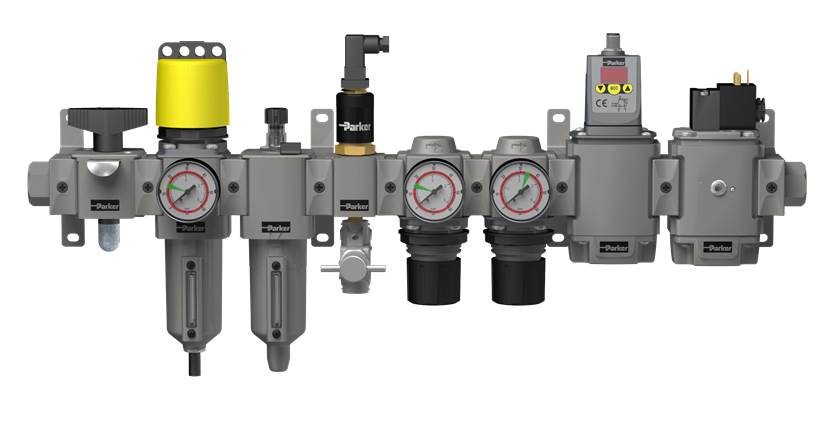
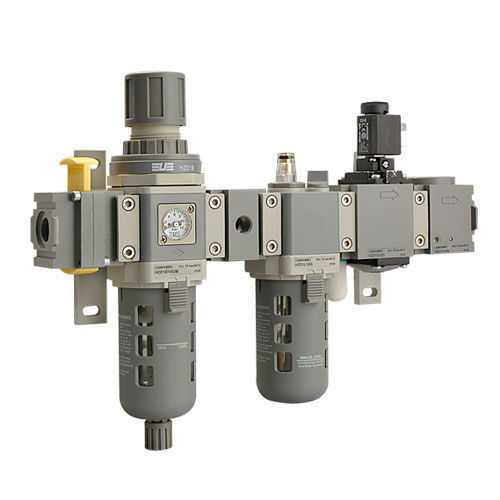
There are different types of pressure gauges, including analog and digital. Analog pressure gauges use a pointer that moves on a graduated scale, while digital pressure gauges show pressure on an electronic display, offering greater precision and ease of reading.
How Manometers Work
Manometers work based on the principle of pressure. When the fluid pressure reaches the pressure gauge, it causes a deformation in a sensitive element, such as a Bourdon tube or a diaphragm. This deformation is converted into a pressure reading, which is displayed on the instrument display.
Applications of Manometers
Pressure gauges are widely used in industries such as petrochemicals, pharmaceuticals and food, where accurate pressure monitoring is crucial. They help ensure that systems operate within safe limits, preventing failures and accidents.
Importance of Calibration
Regular calibration of pressure gauges is essential to ensure accurate measurements. An uncalibrated pressure gauge can lead to significant errors, resulting in operational failures and safety risks. Therefore, it is recommended to perform calibration at regular intervals and whenever inaccuracy is suspected.
Importance of pressure gauges in pneumatic systems
A importance of pressure gauges in pneumatic systems cannot be underestimated. These instruments are essential to ensure that the pressure of gases or liquids is within appropriate levels, avoiding failures and accidents.
Pressure gauges help monitor pressure in real time, allowing operators to quickly identify any anomalies. This is crucial in industrial environments where safety and efficiency are priorities.
Operational security
Well-calibrated pressure gauges are essential for operational safety. They ensure that systems do not operate above the maximum allowable pressure, reducing the risk of explosions or leaks. Regular maintenance and calibration of pressure gauges are best practices to ensure accuracy.
Process Efficiency
In addition to safety, pressure gauges contribute to process efficiency. By monitoring pressure, it is possible to optimize energy consumption and improve equipment performance. This results in cost savings and increased productivity.
Problem Detection
Pressure gauges are also valuable tools for early problem detection. Unexpected changes in pressure can indicate failures in system components, allowing operators to take corrective action before further damage occurs.
How to apply pressure gauges in your industry
Apply gauge in your industry is a crucial step to ensure the efficiency and safety of pneumatic processes. Below are some guidelines on how to implement these instruments effectively.
Choosing the Type of Pressure Gauge
Firstly, it is important to choose the appropriate type of pressure gauge for your application. There are analog and digital pressure gauges, each with its own advantages. Digital pressure gauges provide more accurate readings and are easier to read, while analog gauges can be more robust in harsh environments.
Correct Installation
Correct installation is essential for the effective functioning of pressure gauges. They should be positioned in locations where pressure can be accurately measured, away from excessive vibrations and heat sources. Furthermore, it is essential to follow the manufacturer's recommendations regarding installation.
Regular Calibration
After installation, regular calibration of pressure gauges is required to ensure accurate measurements. It is recommended to perform calibration at regular intervals and whenever inaccuracy is suspected. This helps prevent operational failures and ensure system security.
Team training
Finally, it is crucial to train staff on the use and maintenance of pressure gauges. Knowledge about how to interpret readings and identify potential problems can make a big difference in daily operation. Investing in training is an important step towards maximizing the effectiveness of pressure gauges in your industry.
Digital vs. digital pressure gauges analogues: which one to choose?
When choosing between digital pressure gauges e analog, it is important to consider the specific needs of your application. Both types have their advantages and disadvantages, which can influence the purchasing decision.
Analog Pressure Gauges
Analog pressure gauges are known for their robustness and simplicity. They use a pointer that moves on a graduated scale, offering a direct visual reading. These pressure gauges are ideal for environments where durability is essential, such as factories and construction sites.
Advantages of Analog Pressure Gauges
One of the main advantages of analog pressure gauges is their resistance to adverse conditions, such as vibrations and extreme temperatures. Additionally, they require no power source, which makes them reliable in situations where electricity may fail.
Digital Pressure Gauges
Digital pressure gauges, on the other hand, offer greater accuracy and ease of reading. They present pressure on an electronic display, which can be more convenient for operators. These pressure gauges may also include additional features such as alarms and data logging.
Advantages of Digital Manometers
The accuracy of digital pressure gauges is a great advantage, especially in applications that require exact measurements. Additionally, many digital models are equipped with automatic calibration functions, facilitating maintenance and ensuring reliable measurements over time.
Which to Choose?
The choice between digital and analog pressure gauges should be based on the specific needs of your application. If accuracy and ease of reading are priorities, digital pressure gauges may be the best option. However, if durability and resistance to adverse conditions are more important, analog pressure gauges may be more suitable.
Final Considerations on Pressure Gauges in Pneumatic Systems
Pressure gauges play a vital role in the operation of pneumatic systems, ensuring safety and efficiency. The choice between digital and analog pressure gauges must be made based on the specific needs of each application.
Analog pressure gauges are robust and reliable in harsh environments, while digital pressure gauges offer accuracy and ease of reading. Regardless of choice, correct installation, regular calibration and staff training are essential to maximizing the performance of these instruments.
Investing in quality pressure gauges and good maintenance practices can make a big difference in the operational efficiency and safety of your industry.
FAQ – Frequently asked questions about pressure gauges in pneumatic systems
What are pressure gauges and what are they for?
Manometers are instruments that measure the pressure of gases or liquids in pneumatic and hydraulic systems, ensuring the safety and efficiency of processes.
What is the difference between digital and analog pressure gauges?
Digital pressure gauges offer greater accuracy and ease of reading, while analog gauges are more robust and do not depend on electricity.
How to install a pressure gauge correctly?
Installation must be carried out in locations where pressure can be measured accurately, away from vibrations and heat sources, following the manufacturer's recommendations.
Why is pressure gauge calibration important?
Regular calibration ensures accurate measurements, avoiding operational failures and system security risks.
How do I train my team to use pressure gauges?
Training should include how to interpret readings, identify potential problems, and properly maintain pressure gauges.
What are the benefits of using pressure gauges in my industry?
Manometers help monitor pressure, improve process efficiency and ensure operational safety, preventing failures and accidents.