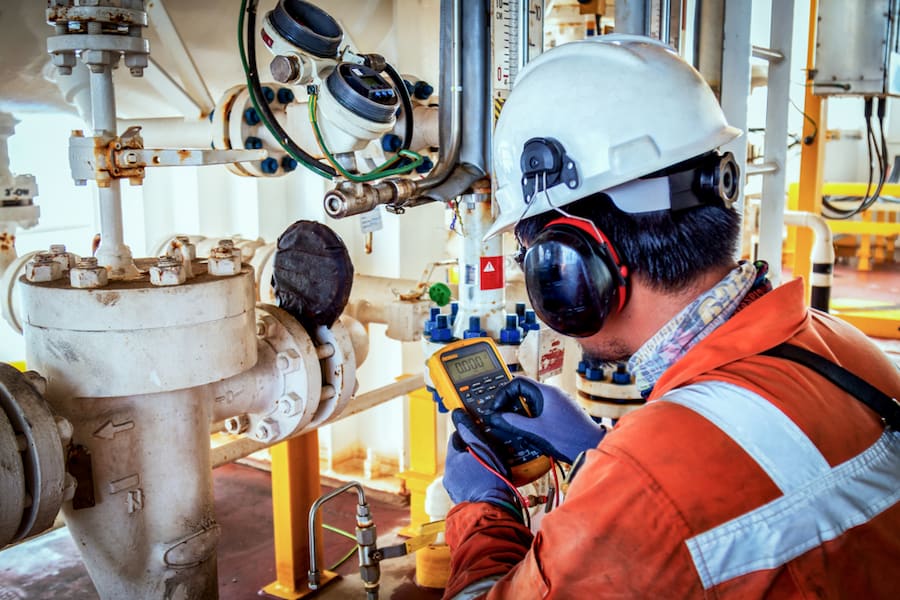
Choosing the ideal measuring instrument is crucial to ensure accurate and reliable measurements. Consider your specific needs, measurement range, accuracy and regular calibration to avoid errors and improve the quality of your work.
When talking about **errors when choosing measuring instruments**, precision is everything! Inadequate instruments can lead to disastrous results and ultimately compromise the quality of your work. In this article, we will discuss the most common mistakes you should avoid to ensure you choose your measuring instruments effectively.
Main Mistakes When Choosing Measuring Instruments
Choosing the appropriate measuring instrument is crucial to ensure the accuracy and reliability of results. One of main mistakes What many people do is not considering the type of measurement needed. For example, using a pressure measuring instrument instead of a temperature measuring instrument can lead to inaccurate results.
Not Evaluating the Conditions of Use
Another common mistake is not evaluating the conditions under which the instrument will be used. Instruments that are not designed for extreme environments, such as high temperatures or humidity, may fail and compromise the measurement.
Skip Calibration
Calibration is essential to ensure that measuring instruments provide accurate results. Ignoring the need for regular calibration can result in erroneous measurements and, consequently, decisions based on inaccurate data.
Choose Based on Price Only
Ultimately, choosing a measuring instrument based on price alone can be a costly mistake. Cheaper instruments may not have the necessary accuracy or durability, leading to additional maintenance and replacement costs.
How to Avoid Mistakes in Selecting Measuring Instruments
Avoiding errors in the selection of measuring instruments is essential to ensure accurate and reliable results. Here are some practical tips to help you with this process.
Clearly Define Your Needs
Before choosing an instrument, it is essential to understand what your specific needs are. Ask yourself: what kind of measurements do you need to take? What are the critical parameters? Being clear about this will help guide your choice.
Search and Compare Options
Don't limit yourself to a single brand or model. Research different options available on the market and compare their features, accuracy and measurement range. This will ensure you choose the instrument that best suits your needs.
Consider Ease of Use
A good measuring instrument must be easy to use. Check whether the equipment has a clear manual and whether it is intuitive. A complicated instrument can lead to operating errors, resulting in inaccurate measurements.
Request demos and tests
If possible, request demonstrations or tests of the instruments before purchasing them. This will allow you to evaluate the performance and accuracy of the equipment in real use conditions.
The Importance of Calibration in Measuring Instruments
Calibration is an essential process to ensure the accuracy and reliability of measuring instruments. Without proper calibration, the results obtained may be inaccurate, leading to wrong decisions.
What is Calibration?
Calibration is the process of adjusting and checking the accuracy of a measuring instrument against a known standard. This ensures that the instrument provides correct and consistent measurements over time.
Why is Calibration Important?
Calibration is important because uncalibrated instruments can result in erroneous measurements, which can affect final product quality and process safety. Furthermore, regular calibration is often a legal requirement in regulated industries.
Calibration Frequency
How often an instrument should be calibrated depends on several factors, including the type of instrument, frequency of use, and environmental conditions. It is recommended to follow the manufacturer's guidelines and perform periodic calibrations.
Benefits of Regular Calibration
Performing regular calibrations not only improves measurement accuracy but also extends the life of the instrument. This can result in long-term cost savings by avoiding the need for frequent replacements.
Tips for Choosing the Ideal Measuring Instrument
Choosing the ideal measuring instrument can be a challenge, but some tips can make this process easier. Here are some guidelines to help you make the best decision.
Identify the Type of Measurement Needed
First of all, it is important to know what type of measurement you need to take. This may include measurements of temperature, pressure, humidity, among others. Each type of measurement requires a specific instrument.
Consider the Measuring Range
Check the measuring range of the instrument. It is crucial that the instrument you choose has a range that covers the values you hope to measure. An instrument with an inadequate range may result in inaccurate measurements.
Analise a Precisão e a Resolução
A precisão e a resolução do instrumento são fatores essenciais a serem considerados. A precisão refere-se à exatidão das medições, enquanto a resolução indica a menor variação que o instrumento pode detectar. Escolha um instrumento que atenda às suas necessidades de precisão.
Verifique a Reputação do Fabricante
Optar por marcas reconhecidas e confiáveis pode fazer toda a diferença. Pesquise sobre a reputação do fabricante e leia avaliações de outros usuários. Isso pode ajudar a garantir que você está adquirindo um produto de qualidade.
Em Resumo, a Escolha do Instrumento de Medição Ideal
Choosing the right measuring instrument is critical to ensuring accurate and reliable results. By following the tips presented, such as identifying your needs, considering the measurement range, and checking accuracy, you can avoid common mistakes.
Regular calibration and manufacturer research are also essential to maintain measurement quality. With these guidelines, you will be better prepared to make informed decisions and choose the best instrument for your applications.
Don't underestimate the importance of a good measuring instrument; it can make all the difference in the quality of your work.
FAQ – Frequently asked questions about choosing measuring instruments
Why is calibration important for measuring instruments?
Calibration ensures that instruments provide accurate and reliable measurements, avoiding errors that could compromise the quality of work.
How do I know which measuring instrument to choose?
Identify your specific needs, consider the measurement range, and analyze the accuracy and resolution of available instruments.
What is the ideal frequency to calibrate a measuring instrument?
Calibration frequency depends on the type of instrument and conditions of use, but it is recommended to follow the manufacturer's guidelines.
What should I consider when comparing different brands of measuring instruments?
Research the manufacturer's reputation, read user reviews and compare technical characteristics and prices of instruments.
How can choosing the wrong measuring instrument affect my work?
Choosing an inappropriate instrument can lead to inaccurate measurements, resulting in wrong decisions and compromising the quality of the final product.
What are the benefits of using measuring instruments from recognized brands?
Recognized brands generally offer greater precision, durability and technical support, ensuring better results and lower risk of failures.