Pneumatic pumps are efficient and safe devices for transferring fluids in various industries. They offer advantages such as safety in explosive environments, ease of maintenance and versatility, making them ideal for applications that require precision and reliability.
A bomba Pneumatics for fluid transfer is an incredible tool that provides efficiency and safety in industrial operations. With the **pneumatic pump**, you can optimize processes and ensure that fluids are transferred safely and effectively. In this article, we will explore how this equipment works and its various applications on the market.
What is a pneumatic pump?
A pneumatic pump is a device that uses compressed air to move fluids in various industrial systems. These pumps are designed to transfer liquids, and in some cases solids, efficiently and safely. The operation of the pneumatic pump is based on air compression, which creates pressure that drives the fluid through the system.
How does the pneumatic pump work?
The operating principle of a pneumatic pump involves converting energy from compressed air into mechanical energy. When air is introduced into the pump, it pushes a diaphragm or piston, which in turn moves the fluid. This process is highly efficient and allows the pump to operate in environments where electricity can be dangerous.
Types of Pneumatic Pumps
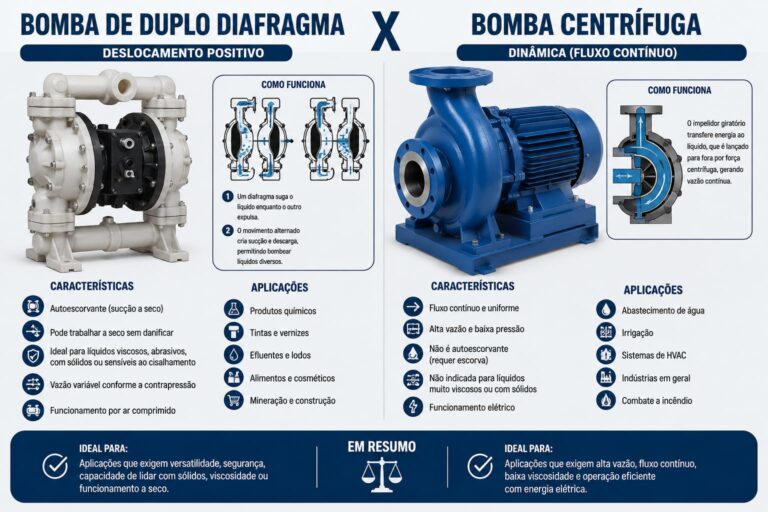
There are different types of pneumatic pumps, including diaphragm, piston and screw pumps. Each type has specific characteristics that make them suitable for different applications. For example, diaphragm pumps are ideal for viscous liquids, while piston pumps are better suited for applications that require high pressure.
Advantages of pneumatic pumps
Pneumatic pumps offer several advantages, such as the ability to operate in explosive environments, ease of maintenance, and the ability to transfer corrosive fluids without damaging equipment. Furthermore, they are generally lighter and more compact than electric pumps, making installation and transport easier.
Common applications
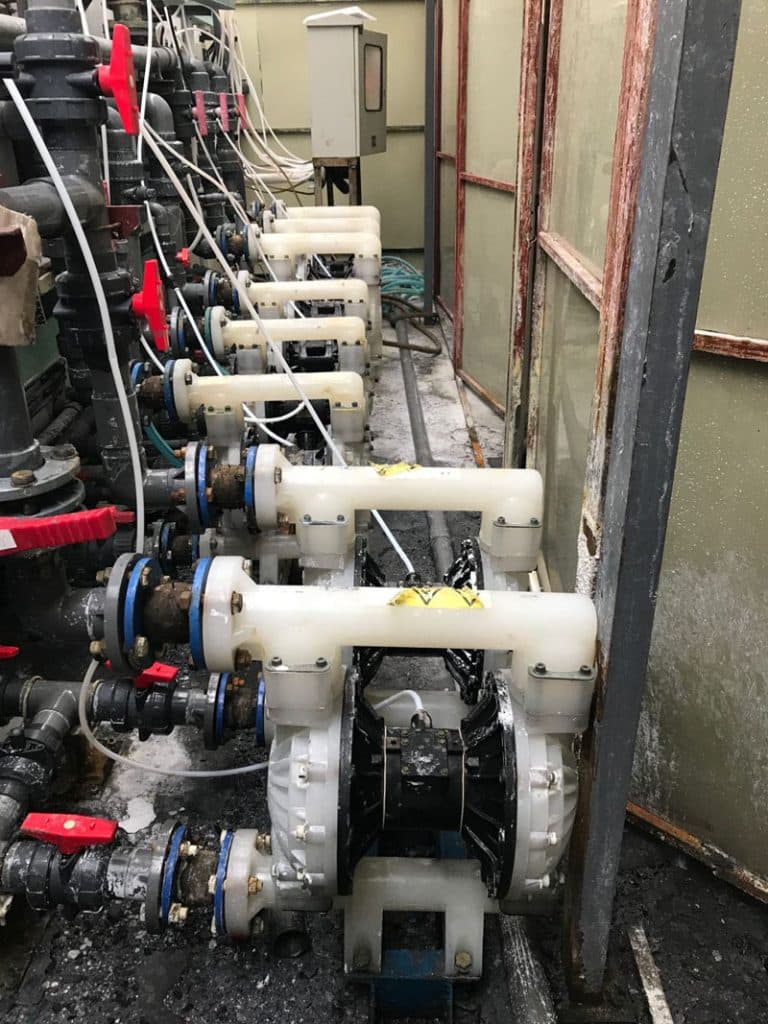
These pumps are widely used in industries such as chemical, pharmaceutical and food, where fluid transfer is a critical part of the production process. They are also used in painting systems, where precision and efficiency are essential.
How does the pneumatic pump for fluid transfer work?
The pneumatic pump for fluid transfer operates based on the principle of air compression. When compressed air is introduced into the pump, it pushes on a diaphragm or piston, which moves fluid through the system. This mechanism is highly efficient and allows the pump to operate in environments where electricity can be dangerous.
Operating Process
Pump operation involves several steps. First, compressed air is generated by a compressor and sent to the pump. This pressurized air then pushes against the diaphragm, creating a vacuum that sucks the fluid into the pump chamber. When the diaphragm returns to its original position, fluid is forced out of the pump outlet.
Main Components
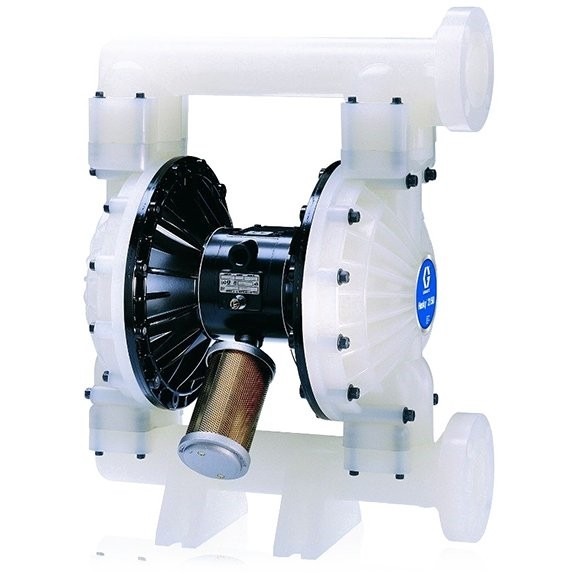
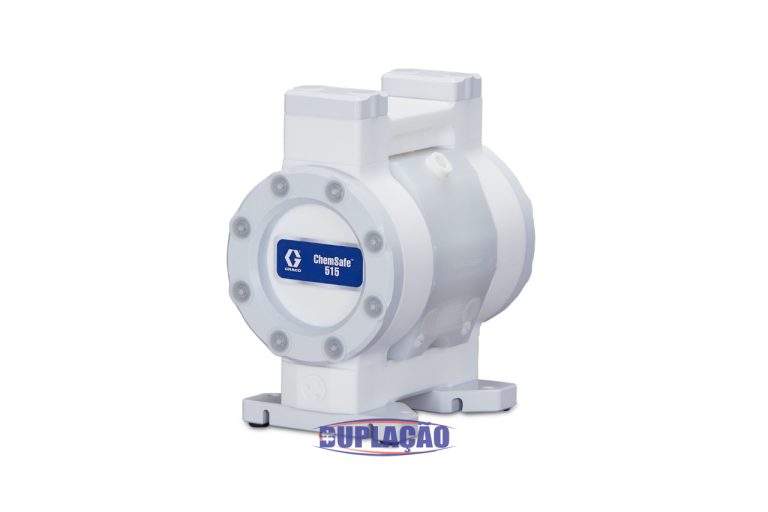
The main components of a pneumatic pump include the pump body, the diaphragm or piston, the inlet and outlet valves, and the compressed air system. Each of these components plays a crucial role in the pump's operating efficiency and safety.
Advantages of Using Compressed Air
One of the main advantages of using compressed air is safety. As it does not depend on electricity, the pneumatic pump can be used in potentially explosive environments, such as chemical and petrochemical industries. Furthermore, maintenance is generally simpler and less expensive than with electric pumps.
Efficiency and Performance
The efficiency of the pneumatic pump is remarkable, especially in applications that require the transfer of viscous or corrosive fluids. The ability to adjust air pressure allows the pump to operate in different conditions, ensuring consistent and reliable performance.
Common Pneumatic Pump Applications
The pneumatic pump is widely used in various industries due to its efficiency and versatility. Among the common applications of the pneumatic pump, the following stand out:
Chemical industry
In the chemical industry, pneumatic pumps are essential for transporting corrosive and viscous liquids. They guarantee the safety and integrity of fluids, minimizing the risk of leaks and contamination.
Food industry
Pneumatic pumps are used to transfer liquid ingredients, such as oils and syrups, in food production processes. The ability to operate in clean environments and ease of maintenance make these pumps ideal for this application.
Pharmaceutical Sector
In the pharmaceutical sector, precision and safety are fundamental. Pneumatic pumps are used to move liquids in drug manufacturing processes, ensuring that products are handled safely and efficiently.
Painting Systems
Pneumatic pumps are widely used in industrial painting systems where the transfer of paints and coatings is required. They provide a uniform and controlled application, improving the quality of the finish.
Wastewater Treatment
In wastewater management, pneumatic pumps are used to move sludge and other heavy fluids. Their robustness and ability to handle abrasive materials make them ideal for this application.
Advantages of using pneumatic pumps
As pneumatic pumps They offer several advantages that make them a popular choice in various industries. Among the main benefits, the following stand out:
Security
One of the biggest advantages of pneumatic pumps is safety. As they work with compressed air, they can be used in environments where electricity is dangerous, such as areas at risk of explosions.
Ease of maintenance
Pneumatic pumps generally require less maintenance than electric pumps. This is due to its simple construction and the absence of electrical components, which reduces the risk of failures and extends the useful life of the equipment.
Versatility
These pumps are highly versatile and can be used to transfer a wide range of fluids, including corrosive liquids, viscous liquids and even solids. This flexibility makes them suitable for various industrial applications.
Energy efficiency
Pneumatic pumps are known for their energy efficiency. They can operate over a wide range of pressures and are able to maintain consistent performance even in challenging conditions.
Compact and Light
Another advantage is that pneumatic pumps are generally lighter and more compact than their electric counterparts. This makes installation and transport easier, making them ideal for mobile applications or in restricted spaces.
Criteria for choosing the right pneumatic pump
Choosing the right pneumatic pump is crucial to ensuring efficiency and safety in operations. There are several criteria that should be considered when making this choice:
Type of fluid
The first criterion to consider is the type of fluid that will be transferred. Pneumatic pumps can handle corrosive, viscous or even solid liquids. It is important to choose a pump that is compatible with the characteristics of the fluid.
Required Flow
Flow is another important factor. Determine the amount of fluid that needs to be transferred in a given period. The pump chosen must be able to meet this demand without compromising efficiency.
Operating Pressure
Check the required operating pressure for your system. Pneumatic pumps have different pressure capacities, and it is essential to choose one that meets the requirements of your process.
Work Environment
Consider the environment where the pump will be installed. If it is a potentially explosive location, a pneumatic pump is a safe choice. Additionally, evaluate the temperature and humidity conditions the pump will face.
Ease of maintenance
Ease of maintenance must also be taken into consideration. Choose a pump that has a simple design and allows easy access to components for maintenance and repair.
Final Thoughts on Pneumatic Pumps
Pneumatic pumps are an effective and safe solution for transferring fluids in various industries. With their advantages, such as safety, ease of maintenance and versatility, they stand out in applications that require efficiency and reliability.
When choosing the right pneumatic pump, it is important to consider factors such as the type of fluid, required flow rate, operating pressure and working environment. These criteria will ensure you select equipment that meets your specific needs.
Investing in a suitable pneumatic pump can optimize your processes and contribute to the success of your industrial operation.
FAQ – Frequently asked questions about pneumatic pumps
What are the main advantages of pneumatic pumps?
Pneumatic pumps offer safety, ease of maintenance, versatility, energy efficiency and a compact design.
In which industries are pneumatic pumps commonly used?
They are widely used in the chemical, food, pharmaceutical, painting and wastewater treatment industries.
How do I choose the right pneumatic pump for my application?
Consider fluid type, required flow rate, operating pressure, working environment and ease of maintenance when choosing a pump.
Are pneumatic pumps safe for explosive environments?
Yes, pneumatic pumps are safe to use in explosive environments as they run on compressed air and do not require electricity.
What maintenance is required for pneumatic pumps?
Pneumatic pumps generally require less maintenance than electric pumps, but it is important to regularly check the components and clean them.
Can pneumatic pumps transfer corrosive fluids?
Yes, pneumatic pumps are designed to handle a variety of fluids, including corrosive liquids, depending on the material of construction.