The flow table is an essential tool for professionals who work with pneumatic and hydraulic systems. It provides crucial information about the relationship between pressure and flow, allowing better equipment sizing and process optimization. In this article, we will cover the main aspects of the flow table, its practical application and how it can benefit your operation.
What is a Flow Table?
A flow table It is a fundamental tool used in pneumatic and hydraulic systems. It provides information about the relationship between the pressure and a flow of fluids, allowing engineers and technicians to correctly size the equipment needed for their applications. These tables are created based on experimental data and are essential to guarantee the efficiency and safety of the systems.
Flow tables generally present different pipe diameters and the respective flow rates that can be achieved at certain pressures. This helps in choosing the appropriate equipment, such as pumps and valves, for each specific situation. By using a flow table, it is possible to avoid problems such as cavitation e load losses, which can compromise system performance.
Furthermore, the flow table is a tool that facilitates the performance analysis of already installed systems, allowing adjustments and improvements. Understanding how to use this table is crucial to optimizing processes and ensuring the efficient operation of industrial systems.
How to Read a Flow Table?
Read one flow table It may seem challenging at first glance, but with some guidance, it is possible to understand and apply the information effectively.
Firstly, it is important to identify the columns e lines of the table. Generally, the columns represent different pipe diameters or types of fluids, while the lines indicate the pressures in which the measurements were taken.
To start reading, choose the diameter of the pipe you are using. Next, locate your system's operating pressure. The intersection between the diameter column and the pressure line will provide the flow corresponding, generally expressed in liters per minute (L/min) or cubic meters per hour (m³/h).
It is important to note that tables can include different conditions, such as temperature and fluid viscosity, which can affect flow. Therefore, always check whether the conditions in the table match those of your system.
Additionally, some tables may present correction factors that must be applied in specific situations.
Finally, when interpreting data, keep in mind that accuracy is key. Any error in reading can result in inappropriate equipment choices, leading to operational problems. Therefore, practice reading tables and familiarize yourself with the data to ensure correct application.
Practical Applications of the Flow Table
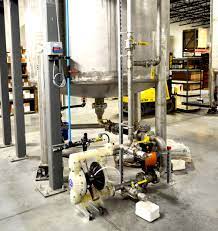
A flow table has several Practical Applications in different industrial sectors. One of the main uses is in sizing pipes e equipment in fluid transport systems. For example, in chemical industries, the table helps determine the ideal flow rate for transporting chemical products, ensuring that there are no you lose or contaminations.
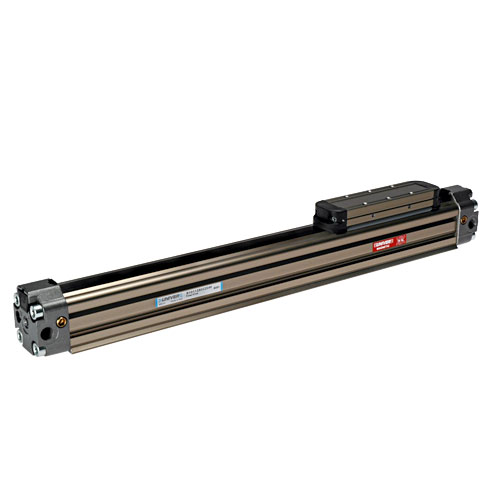
Another important application is in pneumatic automation. The flow table is used to calculate the flow of compressed air in actuator and valve systems, ensuring that components operate efficiently and within specifications. This is crucial to prevent failures and ensure system security.
Furthermore, the flow table is often used in construction projects. civil engineering, especially in drainage and water supply systems. When designing water networks, the table helps define the diameter of the pipes and the pressure required to ensure adequate flow, avoiding problems such as clogs e leaks.
In the food and beverage industry, the flow table is applied to optimize production processes. packaging e distribution. Knowing the flow rate of liquids allows companies to adjust their machines to ensure efficiency and quality of the final product.
These applications demonstrate the importance of the flow table in ensuring efficiency, safety and quality in various industrial processes. The correct interpretation and use of this tool are essential for the success of any operation involving fluid handling.
Benefits of Using the Flow Table
Use flow table brings several benefits for professionals who work in areas involving the handling of fluids. One of the main benefits is the efficiency in system sizing. With the table, it is possible to determine the ideal flow rate for each application, avoiding excessive use of energy and resources.
Another important benefit is the cost reduction. By correctly sizing piping and equipment, companies can avoid unnecessary expenses with maintenance and replacement of components that do not operate optimally. This results in a more economical and sustainable operation.
The flow table also contributes to the security of systems. With accurate information about the relationship between pressure and flow, it is possible to prevent problems such as cavitation e explosions in high pressure systems. This is especially critical in industries that deal with hazardous substances.
Furthermore, using the table makes it easier to performance analysis of already installed systems. With reliable data, engineers can identify areas that need improvement and make adjustments to optimize operations. This is essential to maintain competitiveness in the market.
Finally, the flow table is a tool that promotes standardization of processes. By following established guidelines, companies can ensure that all employees are aligned with best practices, resulting in greater consistency and quality in results.