Fluid reaction is a fundamental concept in several areas of engineering and industry. Understanding how fluids interact and react under different conditions is crucial to optimizing processes, increasing efficiency and ensuring safe operations. In this article, we will explore the principles of fluid reaction, its practical applications, and the technologies that can be used to improve performance in pneumatic and hydraulic systems.
What is Fluid Reaction? Definition and basic concepts about the interaction between fluids and their reactions under different conditions.
What is Fluid Reaction? Fluid reaction refers to the behavior and interaction of fluids under different conditions. This includes how fluids move, mix, and react when subjected to external forces such as pressure and temperature. Fluids can be liquids or gases, and their reactions are fundamental to understanding processes in various industries.
When we talk about the definition of fluid reactions, it is important to consider concepts such as viscosity, density and pressure. THE viscosity is a measure of a fluid's resistance to flow. Fluids with high viscosity, such as honey, flow more slowly than fluids with low viscosity, such as water. THE density is the mass per unit volume and influences how fluids interact with each other. THE pressure is the force exerted per unit area and can change the behavior of fluids in closed systems.
Importance of Fluid Reaction in Industry Understanding fluid reactions is crucial for efficiency and safety in industrial processes. For example, in fluid transport systems such as pipes, it is vital to know how fluids behave to prevent leaks and ensure continuous flow. Fluid reaction analysis also helps optimize mixing and separation processes, increasing productivity and reducing costs.
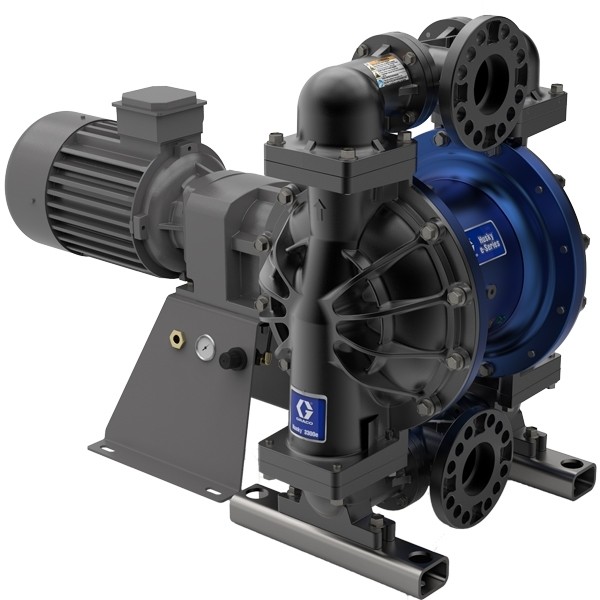
Technologies for Fluid Reaction Optimization There are several technologies and equipment that can be used to optimize fluid reactions. Pneumatic pumps, valves and actuators are essential for controlling the flow and pressure of fluids in industrial systems. The automation of these processes, through advanced control systems, allows monitoring and adjusting conditions in real time, ensuring that fluids are handled efficiently and safely.
Case Studies: Practical Applications Analyzing real cases, we can observe how the reaction of fluids was crucial to the success of industrial operations. For example, in a water treatment plant, understanding the reaction of fluids allowed the optimization of the coagulation and flocculation process, resulting in greater efficiency in removing impurities. Another example is in chemical industries, where precise control of the fluid reaction is essential to guarantee the quality of the final product and the safety of operators. These cases demonstrate the importance of understanding the reaction of fluids to achieve effective and safe results.
Importance of Fluid Reaction in Industry. How understanding fluid reactions can improve efficiency and safety in industrial processes.
Importance of Fluid Reaction in Industry
The reaction of fluids plays a fundamental role in several industries, as it directly influences the efficiency and safety of processes. When fluids are manipulated, their interaction can affect the quality of the final product and the operation of equipment.
Compreender como os fluidos reagem sob diferentes condições, como variações de temperatura e pressão, é essencial para otimizar processos. Por exemplo, em uma linha de produção, a velocidade de escoamento de um fluido pode impactar o tempo de ciclo e a produtividade. Se o fluido não fluir corretamente, pode haver atrasos e desperdícios.
Além disso, a análise da reação de fluidos ajuda a prevenir falhas em sistemas. Quando os fluidos não se comportam como esperado, podem ocorrer vazamentos ou falhas mecânicas. Isso não só compromete a segurança dos operadores, mas também pode resultar em custos elevados devido a paradas não planejadas.
Implementing technologies that monitor and control the reaction of fluids is an effective strategy to improve safety. Sensors and automation systems allow real-time adjustments, ensuring that fluids are handled safely and efficiently.
In summary, understanding the reaction of fluids is vital to ensuring that industrial processes operate effectively, safely and economically. This understanding not only improves efficiency, but also contributes to the sustainability of operations, reducing waste and increasing product quality.
Technologies for Fluid Reaction Optimization. Exploration of technologies and equipment that help optimize the reaction of fluids in pneumatic and hydraulic systems.
Technologies for Fluid Reaction Optimization
Optimizing fluid reaction is essential to improving efficiency in pneumatic and hydraulic systems. There are several technologies and equipment that can be used to achieve this goal.
One of the main components is the pneumatic pump, which is designed to move fluids efficiently. These pumps use compressed air to generate movement, allowing precise flow control. This is especially important in applications where fluid viscosity can vary.
Another essential piece of equipment is the control valves. They regulate the flow and pressure of fluids in a system. With the use of automatic valves, it is possible to adjust operating conditions in real time, ensuring that the fluid reaction occurs optimally.
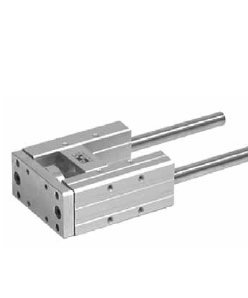
In addition, the pneumatic actuators play a crucial role in process automation. They convert pneumatic energy into mechanical movement, allowing systems to operate more efficiently. The integration of actuators with advanced control systems enables continuous monitoring of operating conditions.
The use of sensors is also a best practice. Pressure, temperature and flow sensors provide real-time data on fluid behavior. This data is essential for dynamic adjustments, ensuring that the fluid reaction is optimized and safe.
Finally, the implementation of automation systems can transform the way processes are managed. With automation, it is possible to program and monitor fluid reactions, reducing manual intervention and increasing precision. This not only improves efficiency but also minimizes operational risks.
Case Studies: Practical Applications. Analysis of real cases where fluid reactions were crucial to the success of industrial operations.
Case Studies: Practical Applications
Analysis of case studies on fluid reaction reveals how this concept is crucial to the success of industrial operations. A notable example is the oil refining, where the reaction of fluids is fundamental for the separation and purification of different components. In this process, understanding the properties of fluids and their interactions allows optimizing distillation efficiency.
Another case is found in pharmaceutical, where the reaction of fluids is vital in the production of medicines. The mixing of active ingredients with excipients must be precisely controlled. Here, automation and real-time monitoring ensure that the reaction occurs under ideal conditions, resulting in high-quality products.
In systems of water transport, fluid reaction is equally important. A study at a water treatment plant showed that optimizing fluid flow and pressure significantly improved system efficiency. With the implementation of control valves and sensors, the plant was able to reduce energy consumption and increase treatment capacity.
Also, in food industry, the reaction of fluids is essential for processes such as pasteurization. The temperature and exposure time of fluids are critical to ensuring food safety. Studies have shown that automating these processes not only improves efficiency but also ensures compliance with safety standards.
These examples illustrate how understanding and applying fluid reactions are fundamental to success in various industries, contributing to operational efficiency and process safety.