Measuring boards are essential in several industrial applications, allowing the visualization and control of variables such as pressure, temperature and flow. With the advanced technology available, these devices offer not only precision but also reliability, critical to the efficient operation of pneumatic and hydraulic systems.
What is a Measurement Board?
One measuring board is a device used to monitor and control variables in industrial systems. It is essential for visualizing data such as pressure, temperature and fluid flow.
These boards are designed to provide real-time information, allowing operators to make informed decisions quickly.
Measuring frames can be found in a variety of applications, from factories to energy installations. They help ensure processes operate within desired parameters, increasing efficiency and safety.
Furthermore, measurement accuracy is crucial to avoid failures and guarantee the quality of the final product.
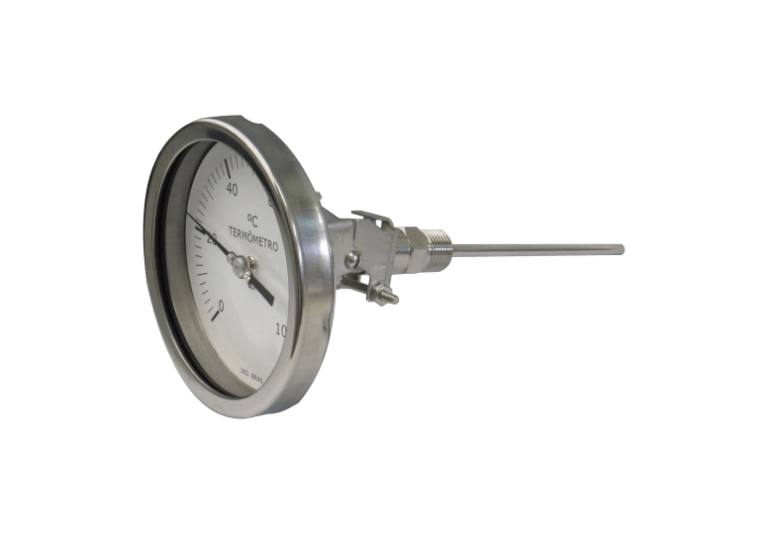
There are different types of measurement frames, each adapted to specific needs. Some are digital, offering readings on LCD screens, while others are analog, using pointers to indicate values.
The choice of the type of panel depends on the requirements of the process and the environment in which it will be installed.
In summary, the measurement framework is a vital tool for process control, contributing to the efficiency and safety of industrial operations.
Types of Measuring Frames
Os types of measuring frames vary depending on the application and specific needs of each system. Below, we present the main types available on the market:
- Analog Measuring Boards: They use hands and graduated scales to indicate values. They are simple and easy to read, but may be less accurate compared to digital models.
- Digital Measuring Boards: They present data in numerical format on LCD or LED screens. These frames provide greater accuracy and can include additional features such as alarms and data logging.
- Multifunctional Measuring Boards: They integrate several functions into a single device, allowing you to measure different variables, such as pressure, temperature and flow. They are ideal for applications that require comprehensive monitoring.
- Pressure Measurement Tables: Specific for measuring the pressure of gases or liquids, they are essential in chemical and petrochemical industries. They can be analog or digital, depending on the need for precision.
- Temperature Measurement Boards: Used to monitor temperature in industrial processes. They can be equipped with temperature sensors such as thermocouples or RTDs to ensure accurate measurements.
Each type of measuring board has its characteristics and advantages, and it is important to choose the model that best adapts to the needs of your process.
Benefits of Using Measuring Boards
Os benefits of using measurement frames They are diverse and directly impact the efficiency and safety of industrial processes. Below, we highlight the main positive points:
- Accuracy in Measurements: Measuring frames provide accurate measurements of variables such as pressure, temperature and flow. This is crucial to ensure processes operate within optimal parameters.
- Real-Time Monitoring: With the ability to view data in real time, operators can quickly identify any anomalies or deviations, enabling immediate and effective response.
- Increased Operational Efficiency: By ensuring that processes are within specifications, measurement frameworks help to optimize the use of resources, reducing waste and improving productivity.
- Security: Constant monitoring of critical variables contributes to the safety of the work environment. Early detection of problems can prevent accidents and equipment failures.
- Ease of Integration: Many measurement frames can be integrated into automation systems, allowing for more comprehensive control and data collection for future analysis.
These benefits make measurement frames an essential choice for industries looking to improve their processes and ensure the quality of their products.
How to Choose the Ideal Measuring Frame
Choose the ideal measuring frame It is fundamental to guarantee the efficiency and precision of industrial processes. Below, we present some important tips for this choice:
- Define the Variables to be Monitored: Before choosing a frame, identify which variables are critical to your process, such as pressure, temperature or flow. This will help determine the type of frame needed.
- Consider the Installation Environment: Evaluate the conditions under which the frame will be installed. Environments with high humidity, dust or extreme temperatures may require frames with additional protection, such as IP protection grade.
- Choose between Analog and Digital: Decide whether an analog or digital board best suits your needs. Digital ones offer more features, such as alarms and data recording, while analogue ones are simpler and more direct.
- Check Accuracy and Measuring Range: The accuracy of measurements is crucial. Make sure the board you choose has the appropriate measurement range for your applications, avoiding measurements outside the desired range.
- Integration with automation systems: If you use automation systems, choose a board that can be easily integrated with them. This will allow for more efficient control and data collection for future analysis.
These factors are essential to ensure that the chosen measurement framework meets the specific needs of your process, contributing to operational efficiency and safety.