Pneumatics is an area of engineering that uses compressed air to perform mechanical work. With applications in various sectors, from industrial automation to transport systems, pneumatics stands out for its efficiency and versatility. In this article, we will cover the basic principles of pneumatics, its main applications and the benefits it can bring to your company.
What is Pneumatics? – Definition and basic principles of pneumatics, including the operation of pneumatic systems.
Pneumatics is an area of engineering that studies the use of compressed air to perform mechanical work.
Pneumatic systems use the energy of compressed air to move components, such as cylinders and valves.
The basic functioning of a pneumatic system involves compressing air, which is stored in a reservoir and then released to operate devices.
The main components of a pneumatic system include:
- Compressors: Equipment that compresses air and stores it in a reservoir.
- Reservoirs: Tanks that store compressed air until it is needed.
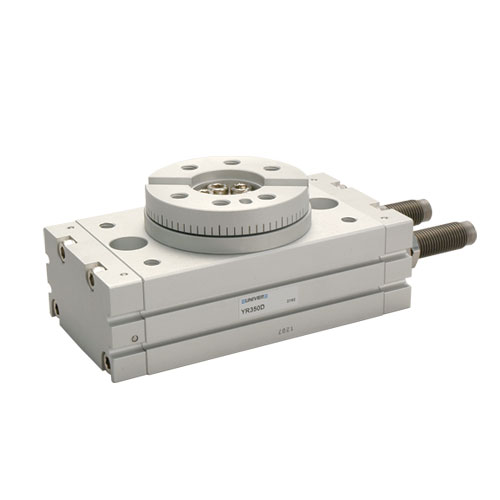
- Pneumatic cylinders: Devices that convert the energy of compressed air into linear motion.
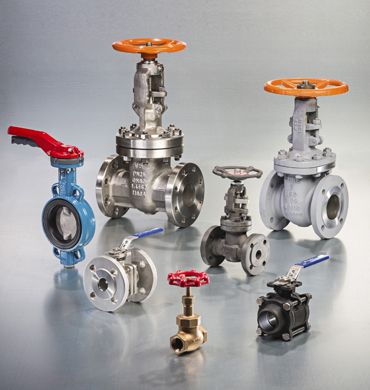
- Valves: They control the air flow within the system, allowing the direction and speed of movement.
The basic principles of pneumatics include:
- Pressure: The force exerted by compressed air, which is measured in psi (pounds per square inch) or bar.
- Flow: The amount of air that passes a point in a given period, usually measured in liters per minute (L/min).
- Strength: The force generated by pneumatic cylinders, which depends on the air pressure and the cylinder area.
Pneumatics is widely used in various industries, as it offers efficient and safe solutions for automation and process control.
Applications of Pneumatics in Industry – Exploration of the various applications of pneumatics in industrial processes, such as automation and machine control.
Pneumatics plays a crucial role in modern industry, being widely used in various applications involving automation and machine control.
One of the main applications of pneumatics is in process automation., where pneumatic cylinders are used to move parts and components with precision and speed.
Example applications include:
- Assembly lines: Pneumatic systems are used to position and move parts on assembly lines, increasing efficiency and reducing cycle time.
- Packaging machines: Pneumatics is used to activate devices that package products, ensuring that the process is fast and efficient.
- Material handling: Pneumatic systems are used in industrial robots to manipulate materials, allowing them to lift, move and position objects with ease.
- Valve control: Pneumatic valves are essential for controlling the flow of air and fluids in systems, allowing precise process automation.
Furthermore, pneumatics are used in transport systems, where compressed air is used to move products on conveyors and conveyors.
The benefits of pneumatics include:
- Flexibility: Pneumatic systems can be easily adapted to different applications and processes.
- Security: The use of compressed air reduces the risk of fires and explosions, making working environments safer.
- Simple maintenance: Pneumatic equipment generally requires less maintenance compared to electrical or hydraulic systems.
Pneumatics, therefore, is an effective and reliable solution for industrial automation, contributing to the efficiency and productivity of operations.
Advantages of Pneumatics – Analysis of the advantages of using pneumatic systems, such as efficiency, safety and cost reduction.
Pneumatics offers several advantages that make it a popular choice in industrial applications. One of the main advantages is the efficiency of pneumatic systems. They allow fast and precise movements, which results in a significant increase in productivity.
Furthermore, pneumatics is known for its security. The use of compressed air reduces the risk of fires and explosions, especially in environments where flammable materials are present.
Other advantages include:
- Cost reduction: Pneumatic systems generally have lower operating costs compared to hydraulic or electrical systems. This is due to the simplicity of the components and ease of maintenance.
- Simple maintenance: Pneumatic equipment is easier to maintain, as it does not contain fluids that can leak or contaminate the environment.
- Flexibility: Pneumatic systems can be easily adapted to different applications, allowing companies to adjust their processes as needed.
- Lower weight: Pneumatic components are generally lighter than hydraulic components, making installation and handling easier.
Furthermore, pneumatics are highly reliable, with consistent performance over time. This makes it an ideal choice for applications that require high availability and low maintenance.
In summary, the advantages of pneumatics make it an efficient and safe solution for industrial automation.
Future of Pneumatics – Trends and innovations in the area of pneumatics, including emerging technologies and their integration with automation.
The future of pneumatics is being shaped by several trends and innovations that aim to increase efficiency and integration with automated systems.
One of the main trends is the integration with Industry 4.0, where pneumatics combines with digital technologies to optimize processes. This includes using sensors and IoT (Internet of Things) to monitor and control pneumatic systems in real time.
Innovations include:
- Smart Actuators: These devices are equipped with sensors that allow performance monitoring and adjustment automation, increasing operational efficiency.
- Predictive Control: Systems that use algorithms to predict failures and optimize maintenance, reducing downtime and operating costs.
- Reduction in energy consumption: New technologies are being developed to make pneumatic systems more energy efficient, contributing to sustainability.
- Integration with robotics: Pneumatics is becoming increasingly common in industrial robots, allowing for smoother, more precise movements.
Additionally, collaborative automation is gaining prominence, where pneumatic systems work together with humans, increasing safety and efficiency in production lines.
These innovations not only improve efficiency, but also help companies adapt quickly to market changes, ensuring long-term competitiveness.