Preventative valve maintenance is essential to ensure efficiency and safety in industrial systems. It increases the useful life of equipment, reduces operating costs and prevents failures, ensuring that valves operate effectively and in compliance with safety standards.
A preventive valve maintenance It is essential to avoid serious problems in industrial machines and systems. With appropriate techniques, it is possible to extend the useful life of equipment, ensuring its efficiency and effectiveness. In this article, we will address the importance of this practice, the types of valves, how to carry out maintenance and the undeniable benefits it offers.
Importance of Preventive Maintenance
A preventive maintenance It is crucial to ensure the proper functioning of valves in industrial systems. By performing regular inspections and scheduled maintenance, you can identify and correct problems before they become serious failures. This not only increases the useful life of equipment, but also reduces long-term operating costs.
Reduction of Unplanned Stops
One of the main advantages of preventive maintenance is the reduction in unplanned downtime. When valves are kept in good condition, the likelihood of unexpected failures decreases significantly, allowing production to occur continuously and efficiently.
Operational security
In addition to improving efficiency, preventive maintenance also contributes to operational safety. Defective valves can cause leaks or failures in critical systems, putting the safety of workers and the environment at risk. Regular maintenance helps mitigate these risks.
Compliance with Standards and Regulations
In many industries, preventative maintenance is a legal requirement. Maintaining maintenance records and ensuring valves comply with standards is essential to avoid penalties and ensure the legal and safe operation of facilities.
Energy efficiency
Well-maintained valves operate more efficiently, which can result in energy savings. Systems that function optimally consume fewer resources, contributing to sustainability and reducing operational costs.
Main Types of Valves
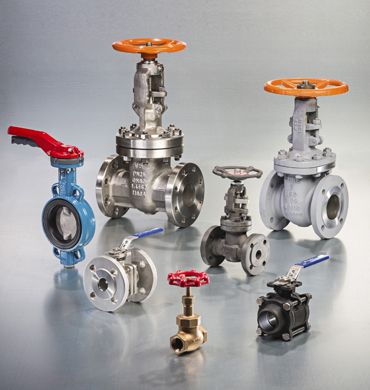
There are different types of Valves used in industrial systems, each with specific functions and distinct applications. Knowing the main types of valves is essential to guarantee the efficiency and safety of processes.
Ball Valves
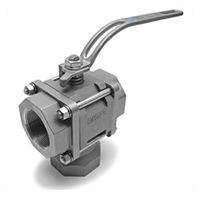
As ball valves They are known for their ability to open and close quickly. They have a hollow sphere that rotates around an axis, allowing efficient flow. They are ideal for applications that require fast and precise control of fluid flow.
Gate Valves
As drawer valves They are mainly used to allow or block the flow of fluids. They are designed to provide fluid passage with low resistance and are often used in high pressure systems.
Check Valves
As check valves are essential to prevent the backflow of fluids in systems. They allow the fluid to flow in a single direction, protecting equipment and systems from possible damage caused by unwanted backflows.
Control Valves
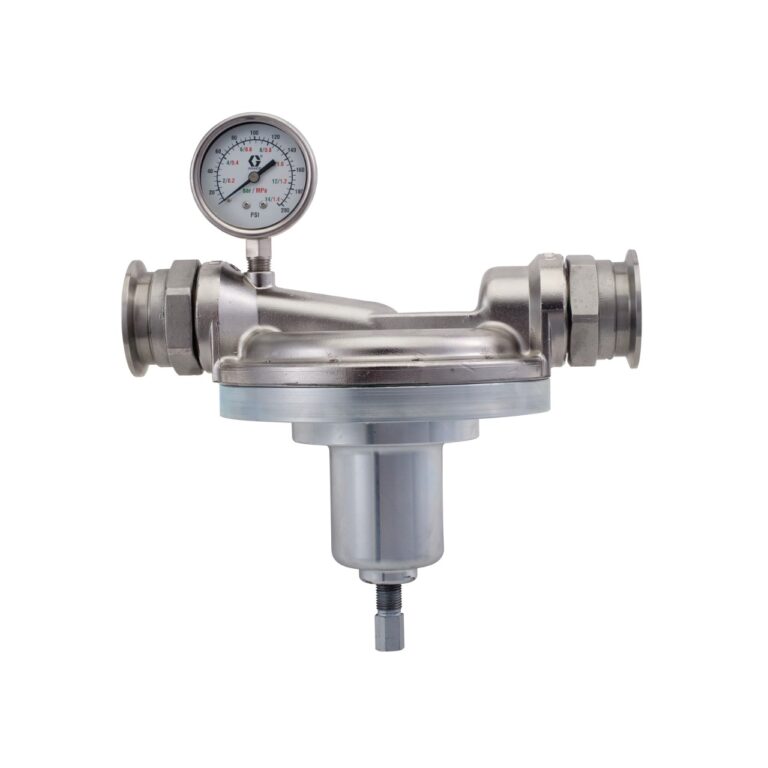
As control valves are used to regulate the flow, pressure and temperature of fluids in systems. They are fundamental in industrial processes where precise control is necessary to guarantee efficiency and safety.
How to Perform Preventive Maintenance
Carry out the preventive maintenance Valves is a process that involves several essential steps to ensure the proper functioning and longevity of the equipment. Following a structured plan is essential to avoid failures and optimize the operation.
1. Regular Inspection
The first stage of preventive maintenance is regular inspection of the valves. This includes visually checking for signs of wear, leaks or corrosion. Frequent inspections help identify problems before they become critical.
2. Cleaning
A cleaning of the valves is crucial to ensure there are no obstructions that could affect the flow of fluids. Use suitable products and follow the manufacturer's recommendations to avoid damage.
3. Lubrication
Valves that have moving parts must be lubricated regularly. Proper lubrication reduces friction and wear, ensuring smooth, efficient operation.
4. Functional Tests
After carrying out maintenance, it is important to carry out functional tests to ensure valves operate correctly. This includes checking that they open and close properly and that there are no leaks.
5. Maintenance Record
Keep a Maintenance Record detailed is essential. This helps you monitor valve maintenance history and plan future interventions effectively.
Benefits of Valve Maintenance
A valve maintenance brings a series of benefits that are essential for the efficient operation of industrial systems. These benefits go beyond simply preserving equipment, directly impacting productivity and safety.
1. Increased Service Life
One of the main benefits of regular maintenance is the increased service life of the valves. By carrying out periodic inspections and maintenance, it is possible to identify and correct problems before they cause irreparable damage, thus prolonging the durability of equipment.
2. Cost Reduction
Preventative maintenance helps reduce costs operational. By avoiding unexpected failures and unplanned downtime, companies can save on emergency repairs and lost production.
3. Improvement in Operational Efficiency
Well-maintained valves operate more efficiently, which results in a better performance of systems. This means that fluid flow is optimized, contributing to the overall effectiveness of the production process.
4. Increased Security
Regular valve maintenance is also crucial to the security workers and the environment. Faulty valves can cause leaks and accidents, and maintenance helps prevent these risks.
5. Compliance with Standards
Keeping valves in good condition is often a legal requirement. Proper maintenance ensures that companies are accordingly with standards and regulations, avoiding penalties and ensuring safe operation.
Importance of Preventative Valve Maintenance
Preventative valve maintenance is essential to ensure efficiency and safety in industrial systems. With regular inspection, cleaning and lubrication practices, it is possible to increase the useful life of equipment and reduce operating costs.
Additionally, proper maintenance contributes to worker safety and compliance with standards and regulations. By understanding the different types of valves and the benefits of maintenance, companies can optimize their processes and avoid future problems.
Therefore, investing in preventative maintenance is a smart decision that brings significant returns in efficiency and safety.
FAQ – Frequently asked questions about preventive valve maintenance
What is the importance of preventative maintenance on valves?
Preventive maintenance is crucial to increase valve life, reduce operating costs and ensure system safety.
What are the main types of valves?
The main types of valves include ball valves, gate valves, check valves and control valves, each with specific functions.
How can I perform preventive maintenance on valves?
Preventative maintenance involves regular inspection, cleaning, lubrication and function testing to ensure valves operate correctly.
What benefits can valve maintenance bring?
Benefits include increased service life, reduced costs, improved operational efficiency, increased safety and regulatory compliance.
How often should I perform valve maintenance?
The frequency of maintenance depends on the valve type and operating conditions, but regular inspections are recommended to avoid problems.
Is preventive maintenance mandatory by law?
In many industries, preventative maintenance is a legal requirement to ensure safety and compliance with regulations.