The drive mechanism is an essential component in automation and control systems, responsible for turning energy into motion. In this article, we will explore its characteristics, applications and the importance of this mechanism in different sectors.
1. What is an drive mechanism?
The drive mechanism It is a fundamental component in automation and control systems. It is responsible for converting energy into motion, allowing machines and equipment to perform their functions.
There are different types of mechanisms, which can be electric, pneumatic or hydraulic. Each type has specific characteristics that make it suitable for certain applications.
The drive mechanisms They are used in various industries, from manufacturing to process automation. They guarantee precision and efficiency in operations, contributing to productivity and safety.
The choice of the ideal mechanism depends on factors such as the nature of work, the necessary strength and the operating environment.
In short, the drive mechanism is essential for the effective functioning of automated systems, playing a crucial role in the modernization of industries.
2. Types of drive mechanisms
There are several types of drive mechanisms, each with its own specific characteristics and applications.
Electrical mechanisms They are widely used in systems that require precise control and quick response. They work through the conversion of electrical power into mechanical motion, being ideal for applications in robotics and industrial automation.
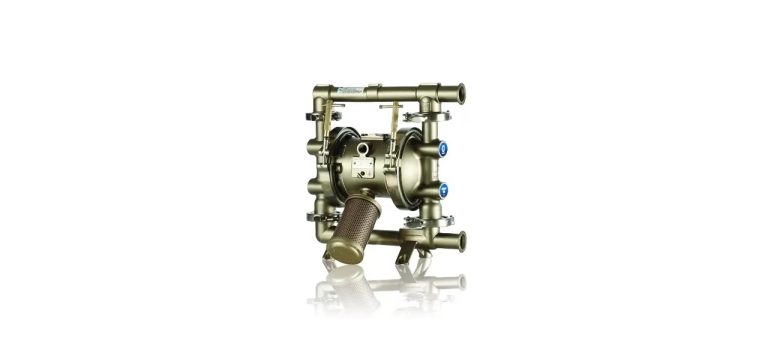
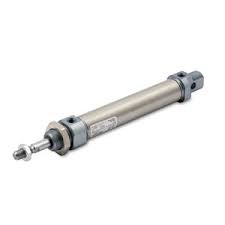
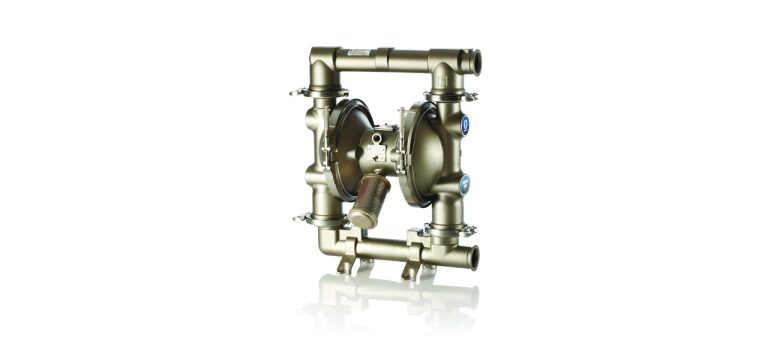
Pneumatic mechanisms They use compressed air to generate movement. They are known for their speed and efficiency and are often used in assembly lines and packaging systems.
Finally, Hydraulic mechanisms They use fluids to transmit strength. They are able to generate large strengths and are used on heavy machines such as excavators and presses.
Each type of mechanism has its advantages and disadvantages, and the choice of the most appropriate depends on the specific needs of the application.
3. Practical applications in industries
The drive mechanisms They have a wide range of practical applications in various industries.
Na automotive industry, they are used in assembly lines to move parts and components accurately. This ensures that each part of the vehicle is assembled correctly and in a timely manner.
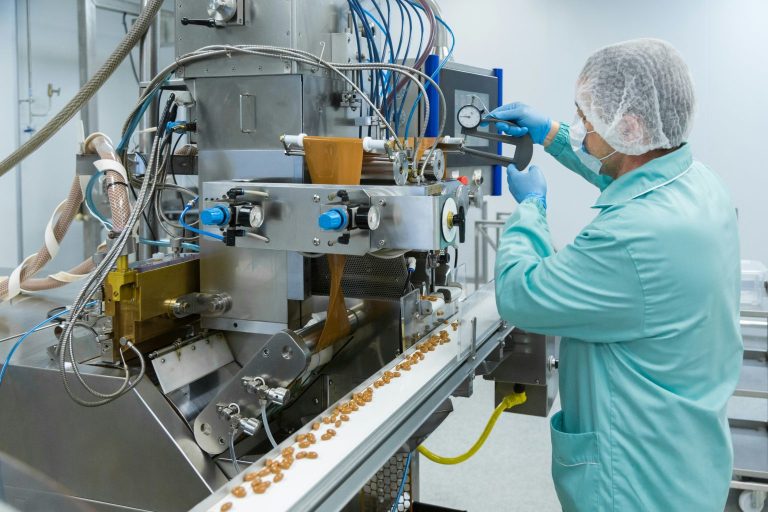
Na food industryPneumatic mechanisms are often used in packaging systems, where speed and efficiency are crucial. They help automate the filling process and sealing, increasing productivity.
Em paper factoriesHydraulic mechanisms are used to operate presses and cutters, allowing the manipulation of large volumes of material safely.
Also, in Distribution CentersElectric mechanisms are used in product transport and classification systems, optimizing workflow and reducing errors.
These applications demonstrate how drive mechanisms are essential for the efficiency and effectiveness of industrial operations.
4. Advantages and disadvantages
The drive mechanisms present several advantages e disadvantages which must be considered when choosing the appropriate system.
Among the advantages, they stand out efficiency and a precision that these mechanisms offer. Electric mechanisms, for example, allow very accurate control of movement, which is essential in applications that require high accuracy.
In addition, pneumatic mechanisms are known for their speed In the operation, making them ideal for production lines that need high productivity.
On the other hand, the disadvantages include maintenance and the cost. Hydraulic mechanisms, although powerful, may require frequent maintenance due to component wear.
In addition, the initial installation cost can be high, especially in complex systems.
Another point to consider is the Dependence on energy sources, which can be a limiting factor in some applications.
Therefore, it is essential to carefully evaluate the specific needs of each project before deciding which drive mechanism to use.