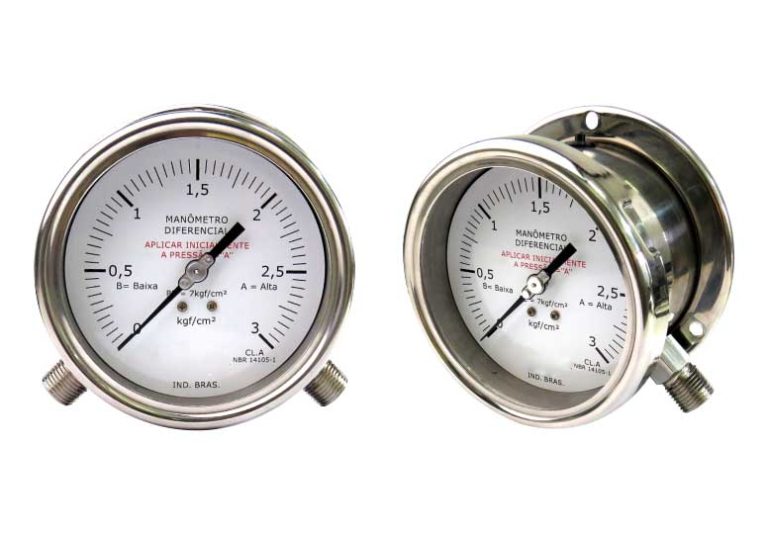
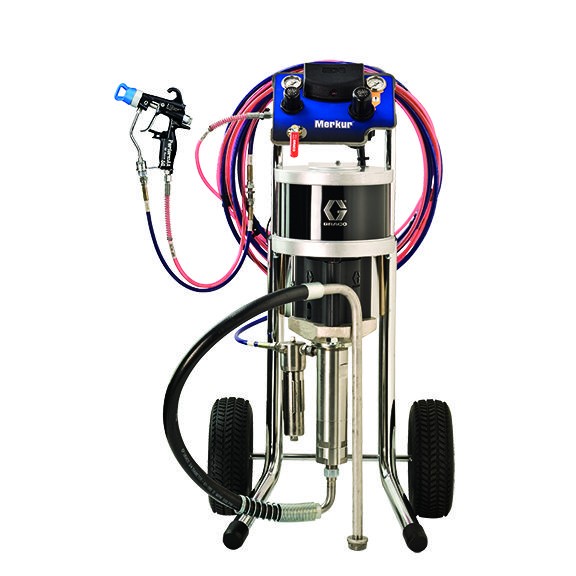
The flow threshold is a fundamental concept in engineering and automation, especially in systems that use fluids. Understanding this parameter is crucial to ensuring efficiency and safety in industrial processes. In this article, we will explore what flow threshold is, its practical applications, and how it can impact the performance of pneumatic equipment.
What is Flow Threshold? – Definition and explanation of the concept of flow threshold in pneumatic systems.
What is Flow Threshold? The flow threshold is an essential concept in pneumatic systems. It refers to the point at which a fluid begins to flow through a system, such as a valve or pipe. This threshold is crucial in determining the efficiency of the system. When the flow reaches this point, it is possible to optimize equipment performance.
Definition and explanation of the concept of flow threshold in pneumatic systems: The flow threshold is influenced by factors such as pressure, temperature and viscosity of the fluid. In pneumatic systems, flow threshold control is vital to ensure that compressed air or other fluid reaches the pressure required to operate machines and tools.
Importance of Flow Threshold in Industry: The flow threshold directly impacts the efficiency and safety of industrial processes. A well-defined flow threshold helps prevent leaks and system failures, which can result in unscheduled downtime and lost productivity. Furthermore, adequate control of the flow threshold can reduce energy consumption, contributing to the sustainability of the operation.
Flow Threshold Calculation: To calculate the flow threshold, it is necessary to consider the formula that relates the pressure, cross-sectional area and viscosity of the fluid. An example formula is Q = A * v, where Q is the flow rate, A is the area, and v is the fluid velocity. This calculation may vary depending on specific system conditions, such as temperature and type of fluid.
Practical Applications of Flow Threshold: The flow threshold is used in several applications, such as in industrial automation systems, where precise control of the flow of air or liquids is necessary for the proper functioning of actuators and valves. In painting processes, for example, the flow threshold is essential to ensure uniform application of the material. Additionally, in refrigeration systems, flow threshold control helps maintain energy efficiency and operational safety.
Importance of the Flow Threshold in Industry – How the flow threshold influences efficiency and safety in industrial processes.
Importance of Flow Threshold in Industry
The flow threshold is a critical parameter that directly influences efficiency and safety in industrial processes. When the flow threshold is well defined, it allows systems to operate within their ideal specifications. This results in a smoother workflow and a significant reduction in operational failures.
How the flow threshold influences efficiency:
In pneumatic systems, an adequate flow threshold ensures that compressed air or other fluids are used efficiently. This means less energy is wasted, which can lead to reduced operating costs. Furthermore, precise control of the flow threshold helps optimize the performance of machines and equipment, increasing overall productivity.
How the flow threshold influences safety:
A segurança é uma preocupação primordial em qualquer ambiente industrial. Um limiar de vazão mal ajustado pode resultar em pressões excessivas ou vazamentos, que podem causar acidentes e danos ao equipamento. Portanto, monitorar e ajustar o limiar de vazão é essencial para prevenir situações perigosas. Sistemas de monitoramento e controle são frequentemente utilizados para garantir que o limiar de vazão permaneça dentro dos limites seguros.
Conclusão:
A importância do limiar de vazão na indústria não pode ser subestimada. Ele não apenas melhora a eficiência operacional, mas também é fundamental para garantir a segurança dos processos. Investir em tecnologia e treinamento para gerenciar adequadamente o limiar de vazão é uma estratégia inteligente para qualquer empresa que busca otimizar suas operações.
Cálculo do Limiar de Vazão – Métodos e fórmulas para calcular o limiar de vazão em diferentes aplicações.
Cálculo do Limiar de Vazão
Calculating the flow threshold is a crucial step to ensure efficiency in pneumatic systems. This calculation involves determining the point at which a fluid begins to flow through a system, such as valves or pipes.
Methods for calculating flow threshold:
There are different methods for calculating the flow threshold depending on the type of fluid and operating conditions. One of the most common methods is the use of the Bernoulli equation, which relates pressure, velocity and height of the fluid. This equation can be simplified to calculate flow in systems where viscosity and temperature are constant.
Fórmulas para calcular o limiar de vazão:
Uma fórmula básica para calcular a vazão (Q) é: Q = A * v, onde A é a área da seção transversal do tubo e v é a velocidade do fluido. Para sistemas mais complexos, pode-se usar a fórmula de Darcy-Weisbach, que considera a perda de carga ao longo do tubo: ΔP = f * (L/D) * (ρ*v²/2), onde ΔP é a perda de pressão, f é o fator de atrito, L é o comprimento do tubo, D é o diâmetro do tubo, ρ é a densidade do fluido e v é a velocidade.
Aplicações do cálculo do limiar de vazão:
The flow threshold calculation is applied in several industries, such as process automation, where it is necessary to ensure that compressed air or other fluids are used efficiently. In painting systems, for example, the precise calculation of the flow threshold ensures uniform application of the material. Furthermore, in refrigeration systems, flow threshold control is essential to maintain energy efficiency and operational safety.
Practical Applications of the Flow Threshold – Examples of how the flow threshold is used in automation and fluid handling systems.
Practical Applications of Flow Threshold
Flow threshold is a fundamental concept in several industries, especially in automation and fluid handling.
Examples of how the flow threshold is used:
In industrial automation systems, the flow threshold is crucial for the efficient operation of pneumatic actuators. These actuators rely on a controlled compressed air flow to operate correctly. When the flow threshold is adjusted appropriately, actuators can quickly respond to system demands, improving productivity.
In the painting industry, Controlling the flow threshold is essential to ensure uniform application of the material. A well-defined flow threshold ensures that the paint or coating is applied consistently, avoiding waste and ensuring the quality of the finish.
In refrigeration systems, the flow threshold helps maintain energy efficiency. Accurate control of refrigerant flow is necessary to optimize system performance, avoiding overloads and failures.
In the food industry, o limiar de vazão é utilizado em processos de embalagem e transporte de líquidos. O controle adequado do fluxo garante que os produtos sejam manuseados de forma segura e eficiente, minimizando riscos de contaminação.
Furthermore, em sistemas de tratamento de água, o limiar de vazão é fundamental para garantir que os processos de filtração e purificação sejam realizados de maneira eficaz. O monitoramento constante do limiar de vazão permite ajustes em tempo real, assegurando a qualidade da água tratada.
Essas aplicações demonstram a importância do limiar de vazão em diversas operações industriais, destacando sua relevância para a eficiência e segurança dos processos.