Kinematic viscosity is a fundamental property of fluids that describes the resistance to flow under the action of gravity. This concept is crucial in several areas, such as engineering, meteorology and materials science. In this article, we will explore what kinematic viscosity is, how it is measured, and its practical applications.
What is Kinematic Viscosity? – Definition and explanation of the concept of kinematic viscosity, including its relationship with dynamic viscosity.
What is Kinematic Viscosity? Kinematic viscosity is a measure of a fluid's resistance to flow, taking gravity into account. It is defined as the ratio between the dynamic viscosity and the density of the fluid. In simple terms, kinematic viscosity indicates how a liquid flows under the influence of gravity. The higher the kinematic viscosity, the slower the fluid will move. This property is crucial in several applications, as it influences the behavior of the fluid under different conditions.
Relationship to Dynamic Viscosity Dynamic viscosity, in turn, is a measure of a fluid's internal resistance to movement. The relationship between kinematic viscosity and dynamic viscosity is expressed by the formula: n = m / p, where n is the kinematic viscosity, m is the dynamic viscosity and r is the density of the fluid. This relationship is fundamental to understanding how fluids behave in different industrial applications.
How to Measure Kinematic Viscosity? Measuring kinematic viscosity can be carried out using instruments called viscometers. There are different types of viscometers such as capillary tube viscometer and cup viscometer. The capillary tube viscometer measures the time it takes a fluid to pass through a tube of known diameter, while the cup viscometer measures the time it takes a fluid to flow through an opening. Both techniques are effective and widely used in laboratories to determine the kinematic viscosity of liquids.
Applications of Kinematic Viscosity Kinematic viscosity is an important property in various industries. In the oil industry, for example, it is used to determine the fluidity of oil and its ability to flow through pipelines. In the food industry, kinematic viscosity is crucial to guarantee the consistency of products such as sauces and creams. Additionally, in the pharmaceutical industry, kinematic viscosity helps formulate liquid medications, ensuring they have the desired texture and efficacy.
Importance of Kinematic Viscosity in Engineering In engineering, kinematic viscosity is an essential parameter for the design of fluid transport systems. It influences the sizing of pipes, pumps and valves, ensuring that systems work efficiently. The analysis of kinematic viscosity is also fundamental in the simulation of flow processes in fluid dynamics software, allowing engineers to predict the behavior of fluids under different operating conditions. Therefore, understanding kinematic viscosity is vital for optimizing processes and ensuring safety and efficiency in engineering projects.
How to Measure Kinematic Viscosity? – Methods and instruments used to measure kinematic viscosity, such as the viscometer.
How to Measure Kinematic Viscosity? Measuring kinematic viscosity is an essential process in several industries, as it provides critical information about the behavior of fluids.
There are several methods and instruments used for this measurement, the most common being viscometers.
Types of Viscometers One of the most traditional types is the capillary tube viscometer. This instrument works by measuring the time it takes for a fluid to pass through a tube of known diameter. The kinematic viscosity is then calculated from this time, taking into account the density of the fluid.
Another type is the cup viscometer, which evaluates the time it takes for a fluid to flow through an opening. This method is widely used in the food and paint industries, where product consistency is crucial.
Rotational Viscometers In addition to capillary tube and cup viscometers, there are rotational viscometers. These devices measure kinematic viscosity by applying a rotational force to the fluid and recording the resistance to movement. They are very useful for non-Newtonian fluids, which vary in viscosity with shear rate.
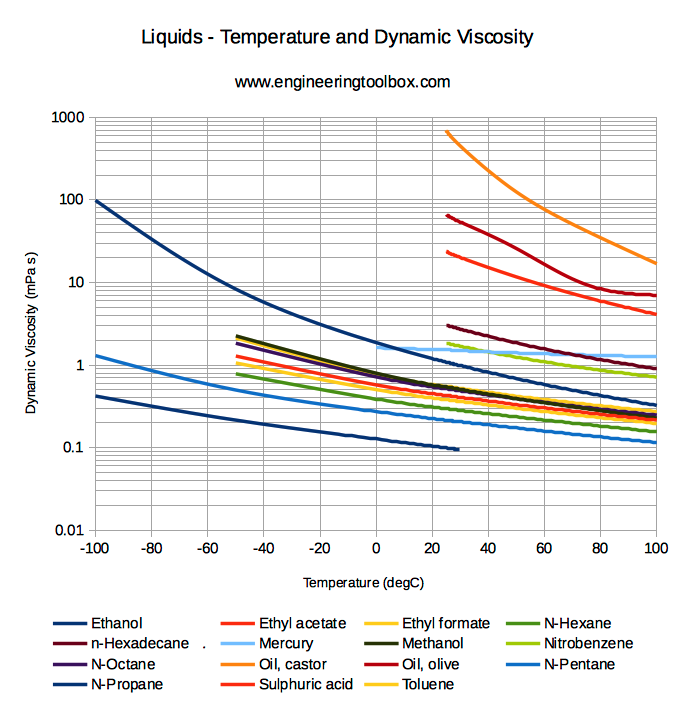
Importance of Temperature Temperature is a critical factor in measuring kinematic viscosity. The viscosity of a fluid can vary significantly with temperature, so it is important to carry out measurements under controlled conditions. Typically, measurements are made at 20°C or 40°C, depending on the type of fluid.
Calibration and Maintenance To ensure accurate results, viscometers must be calibrated regularly. Proper maintenance of instruments is essential to avoid measurement errors. This includes cleaning the pipes and checking moving parts for possible wear.
Practical Applications Measuring kinematic viscosity is crucial in various applications such as chemical formulation, the food industry and cosmetics manufacturing. Understanding kinematic viscosity helps companies ensure the quality and consistency of their products.
Applications of Kinematic Viscosity – Examples of how kinematic viscosity is used in industries such as petroleum, food and pharmaceuticals.
Applications of Kinematic Viscosity
Kinematic viscosity is a fundamental property that has diverse applications in various industries.
Oil Industry
In the petroleum industry, kinematic viscosity is crucial in determining the fluidity of the oil. It influences the transportation of crude oil through pipelines and the efficiency of refining processes. Fluids with high kinematic viscosity may present flow difficulties, requiring the use of more powerful pumps and heating systems to reduce viscosity and facilitate flow.
Food industry
In the food industry, kinematic viscosity is used to guarantee the consistency and texture of products such as sauces, creams and drinks. For example, the viscosity of a sauce must be adequate so that it adheres correctly to food. Accurate measurement of kinematic viscosity helps manufacturers maintain product quality and uniformity.
Pharmaceutical
Kinematic viscosity also plays an important role in the pharmaceutical industry. Liquid medications, such as syrups and intravenous solutions, need to have a specific viscosity to ensure efficacy and safe administration. Kinematic viscosity is monitored during the development of new products to ensure they meet regulatory standards and consumer expectations.
Chemical industry
In chemical processes, kinematic viscosity is an essential parameter for the formulation of products such as paints and coatings. Viscosity affects the application and drying of these products, directly influencing the final quality.
Automotive industry
In the automotive industry, kinematic viscosity is relevant for lubricating oils. Choosing the correct oil, with the appropriate viscosity, is vital to engine performance and fuel efficiency. Oils with inadequate viscosity can cause excessive wear and mechanical failures.
Conclusion
Kinematic viscosity is a versatile property that directly impacts quality and efficiency in various industries. Understanding your applications is essential to optimizing processes and ensuring customer satisfaction.
Importance of Kinematic Viscosity in Engineering – Discussion on the relevance of kinematic viscosity in engineering projects and fluid analysis.
Importance of Kinematic Viscosity in Engineering
Kinematic viscosity is an essential parameter in engineering projects, especially in the area of fluids. It directly influences the behavior of liquids in transport systems, manufacturing processes and industrial applications.
Transport Systems Sizing
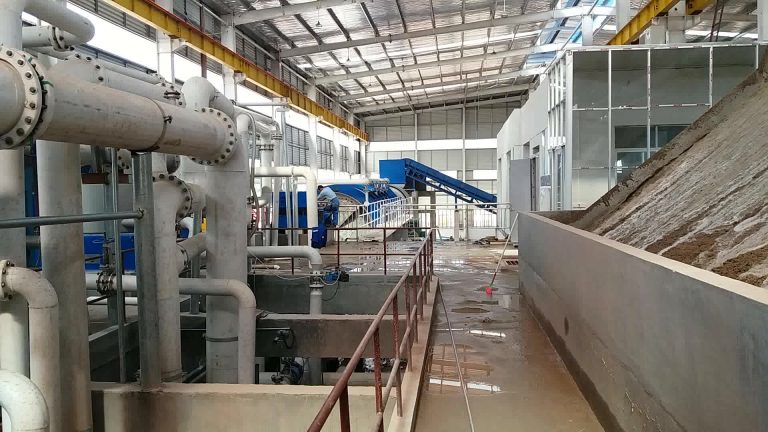
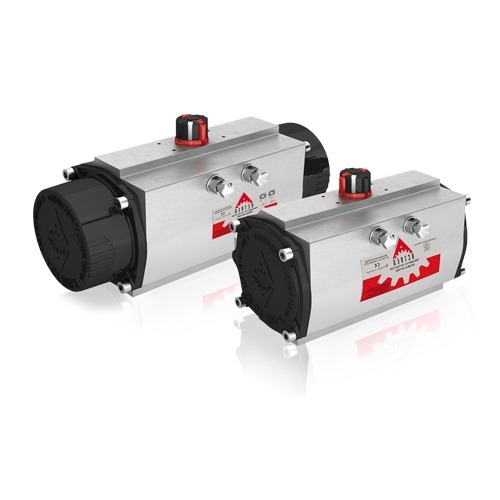
In piping and fluid transport systems projects, kinematic viscosity is essential for the correct sizing of pumps and pipelines. Fluids with high kinematic viscosity require more powerful pumps and larger diameter pipes to ensure efficient flow. Viscosity analysis allows engineers to design systems that minimize pressure losses and ensure energy efficiency.
Process Simulation
Kinematic viscosity is also crucial in fluid dynamics simulations. Simulation software uses viscosity data to predict the behavior of fluids under different conditions. This is especially important in industries such as petrochemicals, where forecasting the flow of oil and oil products can significantly impact the operation and safety of facilities.
Quality control
In process engineering, kinematic viscosity is a quality control parameter. During the manufacturing of chemicals, foods, or cosmetics, viscosity must be monitored to ensure products meet desired specifications. Strict viscosity control helps prevent quality problems and ensure customer satisfaction.
Materials Performance
Kinematic viscosity also affects the performance of materials in engineering applications. For example, in coatings and paints, viscosity influences the application and drying of the product. Materials with inadequate viscosity may result in poor adhesion or final appearance.
Safety and Efficiency
Finally, understanding kinematic viscosity is vital to safety in engineering projects. Fluids with inadequate viscosity can cause problems such as leaks or failures in containment systems. Therefore, viscosity analysis is an essential part of planning and executing engineering projects, ensuring not only efficiency but also operational safety.