K-energy efficiency is an essential concept for companies seeking to optimize the use of resources and minimize waste. In this article, we will explore best practices and technologies that can be implemented to achieve superior energy efficiency.
1. What is K-energy efficiency?
A K-energy efficiency refers to the ability of a company or system to use energy more efficiently, reducing waste and optimizing consumption.
This involves implementing practices and technologies that aim to maximize the use of available energy, ensuring that each unit of energy used generates the maximum possible result.
The concept of K-energy efficiency is fundamental in a world where natural resources are limited and sustainability becomes increasingly important.
By adopting energy efficiency measures, companies not only reduce their operating costs, but also contribute to preserving the environment.
One of the main features of K-energy efficiency is the detailed analysis of energy consumption.
This may include carrying out energy audits, which help identify areas where energy is being wasted.
With this information, companies can implement specific solutions, such as replacing old equipment with more efficient models, optimizing processes and using renewable energy sources.
Furthermore, K-energy efficiency also involves employee awareness and engagement.
Internal training and campaigns can be carried out to educate employees about the importance of energy efficiency and how their daily actions can impact the company's energy consumption.
In summary, K-energy efficiency is a strategic approach that aims not only to reduce costs, but also to promote a more sustainable and responsible future in relation to the use of energy resources.
2. Benefits of K-energy efficiency
A K-energy efficiency offers a series of significant benefits for companies looking to optimize their energy consumption. One of the main benefits is the reduction of operating costs. By using energy more efficiently, businesses can lower their energy bills, resulting in substantial savings over time.
In addition to financial savings, K-energy efficiency also contributes to reduction of carbon footprint. By reducing energy consumption, greenhouse gas emissions are also reduced, helping to combat climate change and promoting a healthier environment.
Another important benefit is the improvement of corporate image. Companies that adopt energy efficiency practices are seen as responsible and committed to sustainability. This can attract customers and investors who value environmental responsibility, increasing market competitiveness.
K-energy efficiency can also lead to a increased productivity. With the implementation of more efficient technologies, operational processes become faster and more effective. This means employees can focus on more important tasks, increasing the company's overall efficiency.
Finally, the adoption of K-energy efficiency practices can result in tax incentives and subsidies. Many governments offer financial benefits to companies that invest in sustainable technologies, making the transition to energy efficiency even more attractive.
3. Technologies for K-energy efficiency
As technologies for K-energy efficiency play a crucial role in optimizing energy consumption in companies. One of the main technologies is energy management system (SGE). These systems allow you to monitor and control energy use in real time, identifying areas of waste and enabling immediate adjustments.
Another important technology is LED lighting. LED bulbs consume significantly less energy than traditional bulbs and have a much longer lifespan. Replacing conventional lighting with LEDs can result in a drastic reduction in energy bills.
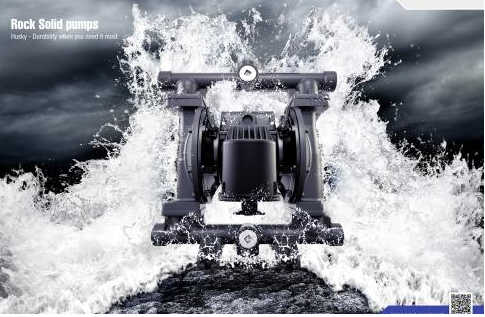
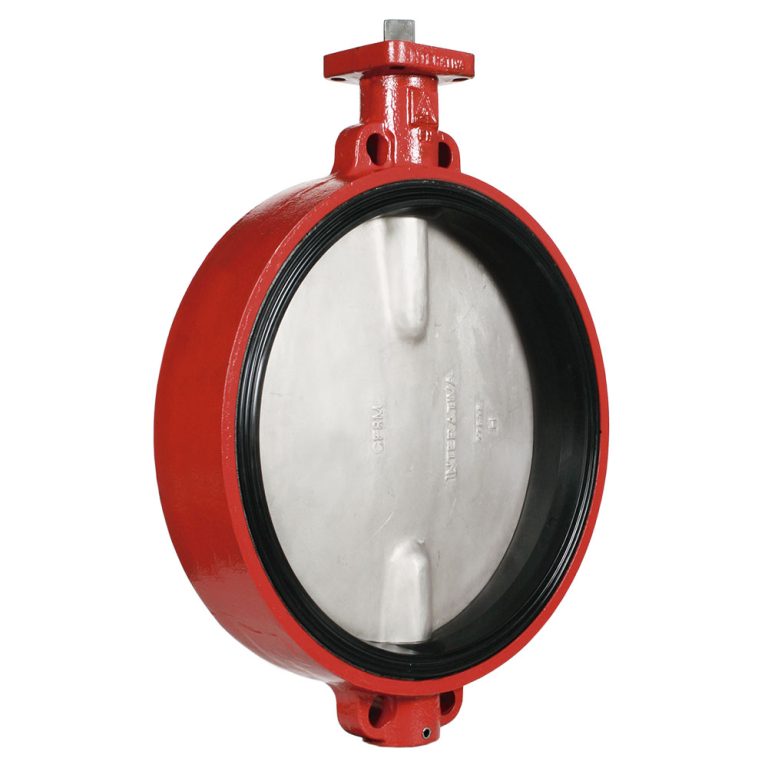
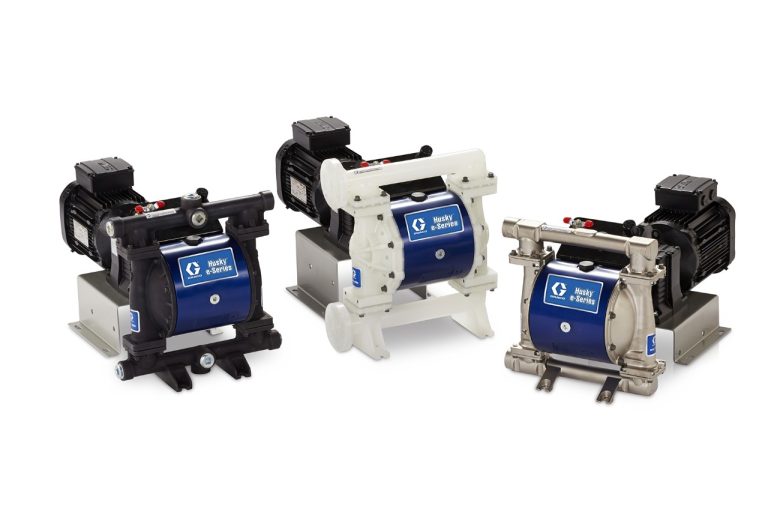
In addition, the use of high efficiency equipment is fundamental. This includes machines and appliances that are designed to operate with lower energy consumption, such as compressors, pumps and motors. Investing in efficient equipment not only reduces energy consumption, but also improves productivity.
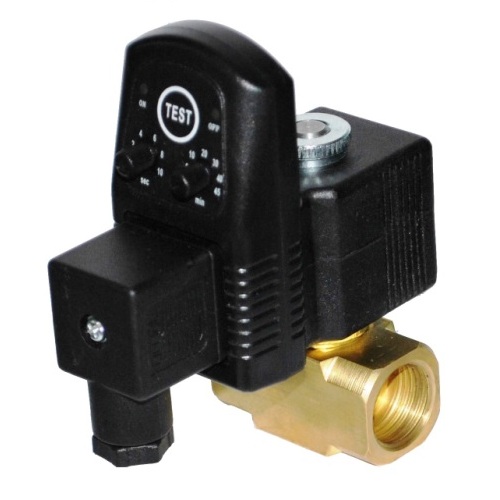
A process automation it is also a key technology. Automated systems can optimize energy use in industrial processes, adjusting consumption according to demand. This prevents excessive energy use during periods of low activity.
Finally, the renewable energy It is an increasingly viable solution. Installing solar panels or wind turbines allows companies to generate their own energy, reducing dependence on external sources and contributing to sustainability.
4. Successful examples in K-energy efficiency
Several examples of success in K-energy efficiency demonstrate how companies can benefit from adopting sustainable practices. A notable case is that of Industry, which implemented an energy management system and, in one year, managed to reduce its consumption by 30%. This was achieved through equipment modernization and process automation, resulting in significant savings on energy bills.
Another example is the Company Y, which replaced all its conventional lighting with LED lamps. This change not only reduced energy consumption, but also improved the quality of lighting in its facilities. The company reported a reduction in 25% in your electricity expenses after implementing this technology.
A Fábrica Z is an example of successful use of renewable energy sources. With the installation of solar panels, the factory was able to generate up to 40% of your own energy. This not only reduced operating costs, but also improved the company's image among consumers, who value sustainable practices.
In addition, the W Company adopted a training program for its employees, focusing on raising awareness about the efficient use of energy. As a result, the company saw a decrease in 15% in energy consumption, as employees began to adopt more sustainable habits in their daily lives.
These examples illustrate how K-energy efficiency can be implemented effectively, bringing significant financial and environmental benefits to companies.