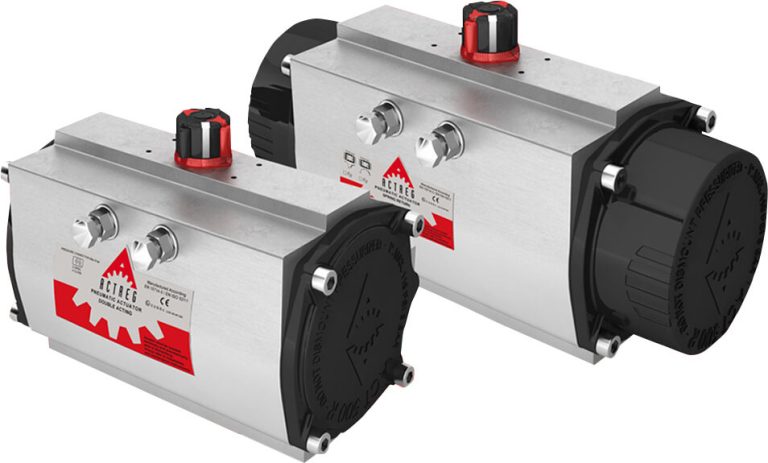
Pneumatic hydrants are essential devices in industrial automation systems. They provide precise and reliable control in a variety of applications. With the ability to operate in challenging environments, this equipment ensures safety and operational efficiency. Being an ideal choice for industries that seek innovation and quality.
What are pneumatic hydrants?
Os pneumatic hydrants are devices used in industrial automation systems that use compressed air to operate. They are designed to provide a controlled flow of air, allowing equipment and processes to be activated efficiently and safely. These hydrants are especially useful in environments where electricity can pose a risk, such as in areas where flammable liquids are present.
The operation of pneumatic hydrants is based on compressed air pressure, which activates valves and actuators, allowing the control of machines and material transport systems. Furthermore, they are known for their durability and strength, which makes them ideal for applications in heavy industries.
One of the main characteristics of pneumatic hydrants is their ability to operate in adverse conditions, such as high temperatures and corrosive environments. This ensures that industrial processes continue to function effectively, even in challenging situations.
Advantages of pneumatic hydrants in industrial automation
Os pneumatic hydrants offer several advantages in industrial automation, making it a popular choice among companies seeking efficiency and security.
One of the main advantages is the security provided by the use of compressed air, which eliminates the risk of sparks and fires, especially in environments with flammable materials.
Furthermore, these hydrants are easy to install and require less maintenance compared to electrical systems. This is due to its robust construction and resistance to harsh conditions such as humidity and dust.
A durability of pneumatic hydrants ensures reliable performance over time, reducing unplanned production stops.
Another important point is the flexibility that these systems offer. They can be easily integrated into different industrial processes, allowing the automation of various operations, from material movement to machine control.
This versatility contributes to the process optimization, resulting in greater productivity and efficiency.
Finally, pneumatic hydrants are economic, as they use compressed air, which is a more accessible source of energy in many industries. This translates into a reduction in operating costs, making them a viable solution for companies looking to improve their competitiveness in the market.
Practical applications in different sectors
Os pneumatic hydrants have a wide range of Practical Applications in various industrial sectors, standing out for its versatility and efficiency.
Na automotive industry, for example, they are used to drive pneumatic tools and painting systems, ensuring a uniform, high-quality finish. The use of compressed air allows precise control, essential for large-scale production.
In the sector food, pneumatic hydrants are used in product packaging and transportation lines. They help move materials safely, avoiding contamination and maintaining food integrity. Furthermore, resistance to humid and corrosive environments is an important characteristic in this sector.
Na chemical industry, pneumatic hydrants are used to control valves and dosing systems. The ability to operate in harsh conditions, such as high temperatures and pressures, makes these devices ideal for applications that require high reliability and safety.
Another sector that benefits from pneumatic hydrants is construction, where they are used to drive heavy tools and material transport systems. The efficiency and safety provided by these systems help to optimize working time and reduce operational costs.
Finally, pneumatic hydrants are also applied in Climatization Systems, where they help control airflow in industrial environments. This application is crucial for maintaining adequate working conditions and ensuring employee safety.
Comparison with other hydrant systems
When it comes to fire hydrants, there are different systems available on the market, each with its specific characteristics and applications. You pneumatic hydrants stand out compared to other systems, such as hydraulic and electrical, due to several advantages.
Os hydraulic hydrants They use water under pressure to operate, which can be a limitation in environments where humidity is a problem. Furthermore, the need for constant maintenance and the risk of corrosion are significant disadvantages. On the other hand, pneumatic hydrants are less susceptible to these problems, as they use compressed air, which does not cause corrosion and is easier to maintain.
On the other hand, the electric hydrants offer precise control, but depend on an electrical energy source, which can be a risk in industrial environments with the presence of flammable liquids. Pneumatic hydrants, in turn, operate safely, eliminating the risk of sparks and fires, making them more suitable for applications in critical sectors.
In addition, the installation of pneumatic hydrants is generally simpler and faster, reducing downtime during implementation. This is a significant advantage for companies looking to minimize disruptions to their operations.
In summary, while hydraulic and electric hydrants have their applications, pneumatic hydrants stand out for their security, durability e ease of maintenance, making them a preferred choice in many industrial sectors.
Maintenance and care of pneumatic hydrants
A maintenance adequate of pneumatic hydrants It is essential to ensure its efficient operation and extend its useful life. Firstly, it is important to carry out regular inspections to check for air leaks. Leaks can compromise system efficiency and increase operating costs.
In addition, it is recommended clean the filters of air periodically. Dirt and dust can clog filters, reducing system efficiency. Cleaning must be done carefully, using suitable products that do not damage the components.
Another important aspect is checking the connections and hoses. It is essential to ensure that all connections are tight and show no signs of wear. Damaged hoses must be replaced immediately to avoid system failures.
Os internal components Fire hydrants should also be inspected regularly. This includes valves and actuators, which can accumulate dirt or wear out over time. Proper lubrication of these components is crucial to ensure smooth and efficient operation.
Finally, it is important to follow the manufacturer's recommendations regarding maintenance and care. Each model may have different specifications, and following these guidelines helps prevent problems and ensure system safety. Preventative maintenance is the key to preventing failures and ensuring that pneumatic hydrants operate reliably in all conditions.