Air management is an essential practice for industries seeking to maximize the efficiency of their pneumatic systems. With the appropriate use of equipment and techniques, it is possible to improve performance, reduce waste and guarantee the quality of processes. In this article, we will cover the best practices and solutions available on the market.
Importance of Air Management: Understand why air management is crucial to operational efficiency and cost reduction.
Air management is fundamental to ensuring operational efficiency in industrial environments.
When compressed air is used properly, it can increase productivity and reduce costs.
A well-managed system prevents waste, such as leaks, which can compromise air pressure and quality.
Additionally, regular maintenance of air equipment is crucial to prolonging its lifespan and ensuring it functions optimally.
Invest in good air management It also means improving worker safety, as poorly maintained systems can cause accidents.
Therefore, understanding the importance of air management is essential for any company that wants to remain competitive in today's market.
Air Management Equipment: Explore the main equipment used in air management, such as compressors and valves.
Air management equipment They are essential to guarantee the efficiency and quality of compressed air in industrial systems.
Among the main equipment, the following stand out: compressors, which are responsible for generating and maintaining air pressure. There are different types of compressors, such as piston, screw and scroll, each with its specific characteristics and applications.
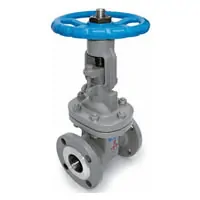
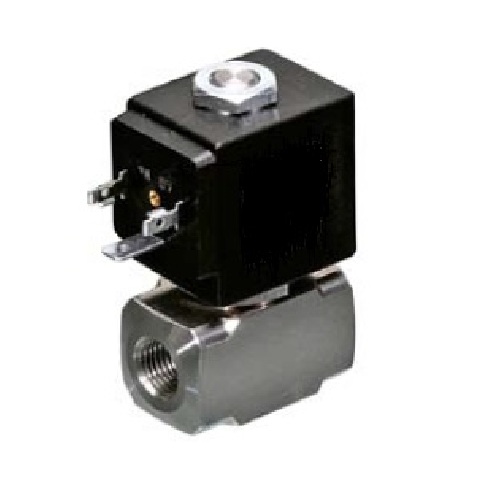
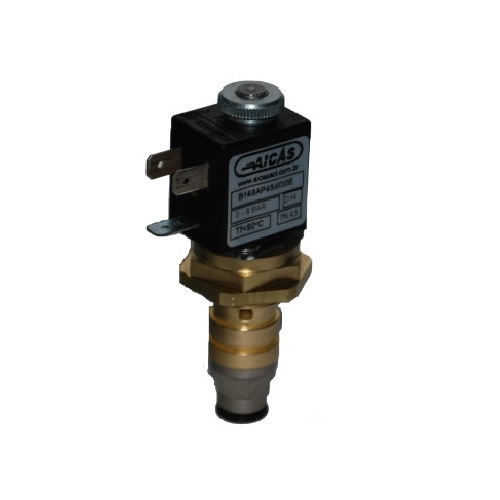
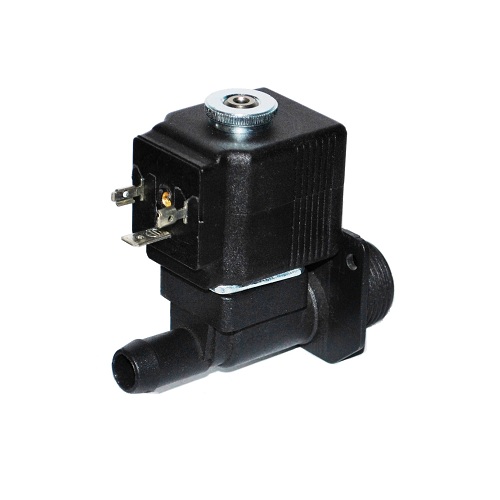
In addition, the Valves They play a crucial role in controlling air flow, allowing pressure regulation and process automation. Relief valves, for example, are essential to avoid overpressures that can damage systems.
Another important piece of equipment is the water separators, which remove moisture from compressed air, preventing corrosion and damage to equipment.
Finally, the filters They are essential to guarantee air purity, removing particles and contaminants that can affect the quality of the final product.
The appropriate choice of this equipment is vital for effective air management and the optimization of industrial processes.
Optimization Techniques: Learn about optimization techniques that can be applied to improve air management.
Optimization techniques are fundamental to improving air management in industrial systems.
One of the main techniques is the predictive maintenance, which uses continuous monitoring to predict failures before they occur. This helps to avoid unexpected downtime and reduce maintenance costs.
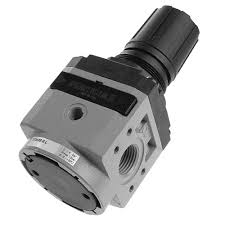
Another important technique is the pressure regulation, which ensures that the system operates at ideal pressure, avoiding energy waste and improving efficiency.
A heat recovery It is also an effective practice, where the heat generated by compressors is reused to heat water or environments, reducing energy consumption.
In addition, the process automation can be implemented to optimize the use of compressed air, automatically adjusting demand according to production needs.
Finally, the team training is essential, as well-trained employees can identify problems and apply best air management practices, contributing to system efficiency.
Benefits of Air Management: Discover the direct and indirect benefits that good air management can bring to your company.
The Benefits of Air Management They are broad and directly impact the operation of a company.
Firstly, the cost reduction is one of the main benefits. A well-managed compressed air system minimizes waste, such as leaks, which can significantly increase energy costs.
In addition, the operational efficiency is improved, as adequate management ensures that compressed air is always available in the quantities and pressures necessary for production processes.
Another important benefit is the IMPROVEMENT IN PRODUCT QUALITY, as clean and dry compressed air is essential to avoid contamination that could compromise final quality.
A worker safety is also a factor to be considered, as poorly maintained air systems can cause accidents.
Finally, the sustainability is promoted, as reducing energy consumption and minimizing waste contribute to more environmentally friendly practices.
Therefore, investing in good air management not only brings financial advantages, but also improves quality and safety in industrial processes.