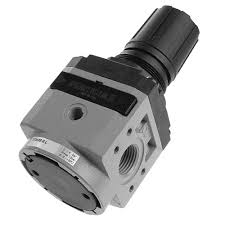
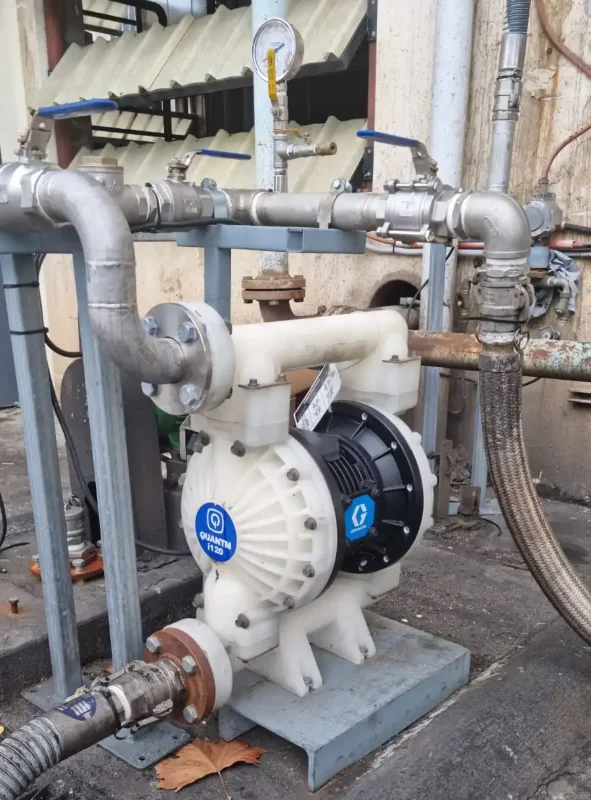
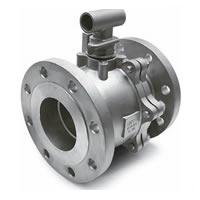
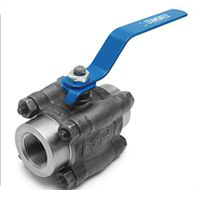
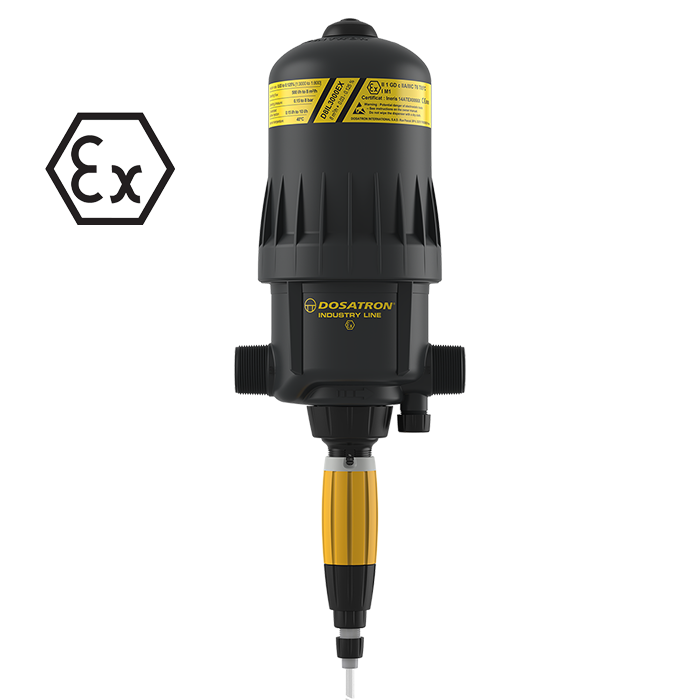
One throttle is a device designed to control and maintain the pressure of a fluid (such as air, water, gas, etc.) in a system at a constant level, regardless of variations in inlet pressure or system demand. Here is a basic description of how a pressure regulator works:
1) Input Pressure: The pressure regulator is connected to the pressure source, which can be a gas cylinder, an air compressor, a water pipe, or another source of pressurized fluid.
2) Control Chamber: The pressure regulator has a control chamber where the fluid pressure is measured. This is usually done using a diaphragm or piston that reacts to fluid pressure.
3) Pressure Adjustment: The user can adjust the desired pressure in the system using a button, screw or other adjustment mechanism on the regulator. This changes the force applied to the diaphragm or piston in the control chamber.
4) Force Balance: When the fluid pressure in the control chamber exceeds the user-set pressure, the diaphragm or piston is pushed upward, closing a relief valve that allows the fluid to escape. This reduces the pressure on the outlet side of the regulator.
5) Outlet Pressure Maintenance: The pressure regulator works continuously to maintain the fluid outlet pressure at the level set by the user. If the inlet pressure increases, the regulator will automatically reduce the outlet pressure to keep it constant. Likewise, if the inlet pressure decreases, the regulator will compensate by increasing the outlet pressure.
In short, a pressure regulator works by controlling the flow of fluid through a relief valve that is adjusted to maintain constant output pressure regardless of variations in input pressure or system demand. This is essential in many industrial and commercial applications where pressure accuracy and stability are critical.
Know more: