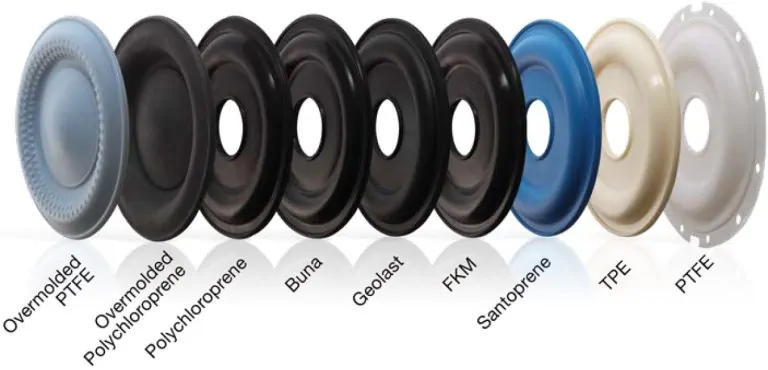
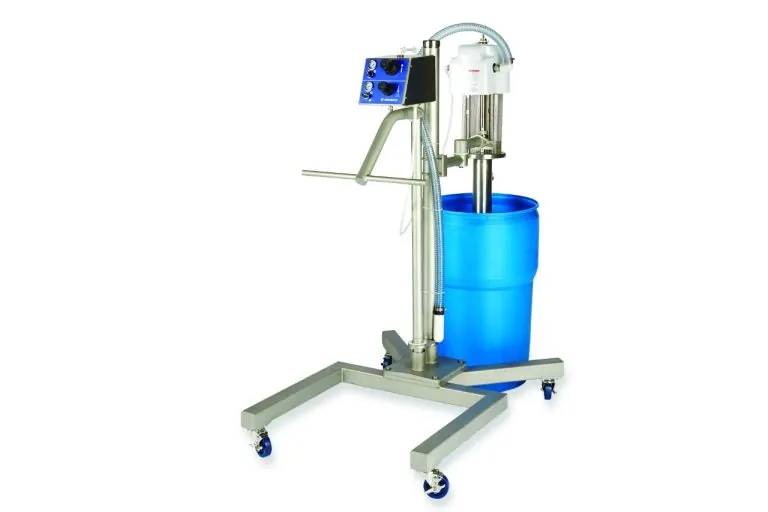
When choosing between PTFE, Santoprene and Buna diaphragms, consider factors such as chemical resistance, flexibility and cost. PTFE is ideal for harsh environments, while Santoprene offers durability and Buna is economical for oil applications.
Are you in doubt about which material to use to build a diaphragm? THE PTFE diaphragm, Santoprene or To this It can make all the difference in your project. In this article, we will look at the different types of diaphragms and discuss their properties, advantages and use cases to help you make the best decision possible.
Comparison between PTFE, Santoprene and Buna
When it comes to choosing the ideal material for a diaphragm, it is essential to understand the differences between PTFE, Santoprene e To this. Each of these materials has unique characteristics that make them more or less suitable for different applications.
PTFE (Politetrafluoretileno)
PTFE is known for its exceptional chemical resistance and ability to withstand high temperatures. It is often used in applications involving aggressive chemicals, as it does not react with most solvents. Additionally, PTFE has low friction, making it ideal for systems that require smooth movement.
Santoprene
Santoprene is a thermoplastic elastomer that combines the elasticity of rubber with the processability of plastic. It is highly resistant to wear and abrasion, making it a popular choice for applications that require flexibility and durability. Santoprene also offers good resistance to chemicals, although it is not as resistant as PTFE in extremely corrosive environments.
Buna (Nitrile)
Buna, or nitrile, is a material widely used in applications involving oils and fuels. It offers excellent resistance to petroleum products and is an economical choice for many industries. However, Buna may not be suitable for applications involving extreme temperatures or harsh chemicals, as its durability may be compromised in these conditions.
In summary, the choice between PTFE, Santoprene and Buna should be based on the specific requirements of the application. Considering factors such as chemical resistance, temperature and flexibility will help ensure the diaphragm you choose meets your project needs.
Practical applications of materials
The materials PTFE, Santoprene e To this They are widely used in various industrial applications, each with its specific characteristics that make them ideal for different situations.
PTFE Applications
PTFE is often used in environments that require high chemical and thermal resistance. It is common to find it in Valves, pipes e jealousy in chemical and petrochemical industries. Its ability to withstand extreme temperatures and its resistance to aggressive chemicals make it a preferred choice in applications involving solvents and acids.
Applications of Santoprene
Santoprene is ideal for applications that require flexibility and wear resistance. It is often used in seals, hoses e diaphragm in pumping systems. Its durability and chemical resistance make it a popular choice in the automotive and appliance industries.
Buna Applications
Buna, or nitrile, is widely used in applications involving oils and fuels. It is common in rubber vulcanization, seals e diaphragm in hydraulic systems. Its resistance to petroleum products makes it an economical and effective choice for industries dealing with fuels and lubricants.
In short, choosing the right material for your application depends on the specific environmental conditions and system requirements. Knowing the practical applications of each material can help ensure the efficiency and durability of the components used.
Advantages and disadvantages of each option
When choosing between PTFE, Santoprene e To this For the manufacture of diaphragms, it is important to consider the advantages and disadvantages of each material.
Advantages of PTFE
PTFE is highly resistant to chemicals and extreme temperatures. This makes it ideal for applications in harsh environments. Furthermore, its low friction provides smooth performance in mechanical systems. Another advantage is its durability, which reduces the need for frequent replacements.
Disadvantages of PTFE
On the other hand, PTFE can be more expensive compared to other materials. Its rigidity can also be a disadvantage in applications that require flexibility. Additionally, handling and installing PTFE may require special care due to its fragility.
Advantages of Santoprene
Santoprene combines the elasticity of rubber with the processability of plastic, offering excellent wear resistance. It is an economical and versatile option suitable for a wide range of applications. Its flexibility allows it to perform well in systems that require movement.
Disadvantages of Santoprene
Although Santoprene is strong, it does not have the same chemical resistance as PTFE. This may limit its use in environments with harsh chemicals. Additionally, its durability may not be as high as PTFE in extreme applications.
Advantages of Buna
Buna is an economical option and offers excellent resistance to oils and fuels. It is widely used in industrial applications and is easy to process. Its versatility makes it a popular choice in many industries.
Disadvantages of Buna
Buna's disadvantages include its lower resistance to extreme temperatures and harsh chemicals. This may limit its application in environments that require high thermal or chemical resistance. Additionally, its durability may be inferior to that of PTFE and Santoprene under certain conditions.
Choosing the Right Material for Your Project
Choosing the right material for your project is a crucial decision that can impact the efficiency and durability of the system. When considering PTFE, Santoprene e To this, it is important to evaluate several factors.
1. Understand your project needs
Before making a decision, identify the specific requirements of your project. Ask yourself: what is the maximum and minimum temperature that the material will need to withstand? Is the environment corrosive? These questions will help determine which material is best suited.
2. Consider chemical resistance
Chemical resistance is an important factor when choosing the material. PTFE is ideal for harsh environments, while Santoprene and Buna may be better suited for less demanding applications. Evaluate the chemicals that the material will encounter and choose one that offers the best resistance.
3. Evaluate flexibility and durability
Material flexibility can be a deciding factor, especially in applications that require movement. Santoprene is known for its elasticity, while PTFE is more rigid. Also consider the durability of the material in relation to wear and abrasion.
4. Cost and availability
Cost is always an important consideration. PTFE tends to be more expensive, while Buna is a more economical option. However, the initial cost must be weighed against durability and long-term performance. Check the availability of materials on the market to ensure you can get what you need.
By following these guidelines, you will be able to make an informed choice about the material that best meets the needs of your project, ensuring efficiency and longevity.
Choosing the Ideal Material for Your Project
In the end, the choice between PTFE, Santoprene e To this It should be based on the specific needs of your project. Each material has its advantages and disadvantages, and understanding these characteristics is essential to guarantee the efficiency and durability of the system.
Consider factors such as chemical resistance, flexibility, durability and cost when making your decision. With the correct information, you can select the material that best meets the requirements of your project, ensuring satisfactory results and extending the useful life of the components.
Therefore, make an informed choice and make the most of the properties of each material to achieve success in your applications.
FAQ – Frequently asked questions about PTFE, Santoprene and Buna diaphragms
What are the main differences between PTFE, Santoprene and Buna?
PTFE is highly resistant to chemicals and extreme temperatures, Santoprene combines elasticity and durability, while Buna is economical and ideal for oil applications.
How do I choose the right material for my project?
Consider factors such as chemical resistance, flexibility, durability and cost when selecting the material that best meets your project needs.
What are the common applications of PTFE?
PTFE is used in valves, piping and seals in chemical and petrochemical industries due to its chemical and thermal resistance.
Is Santoprene a good option for aggressive environments?
Although Santoprene is wear-resistant, it does not have the same chemical resistance as PTFE, limiting its use in very aggressive environments.
What are the advantages of Buna compared to other materials?
Buna is an economical option and offers excellent resistance to oils and fuels, being widely used in industrial applications.
How does the durability of materials affect diaphragm choice?
More durable materials such as PTFE can reduce the need for frequent replacements, while less durable materials can result in additional maintenance costs.