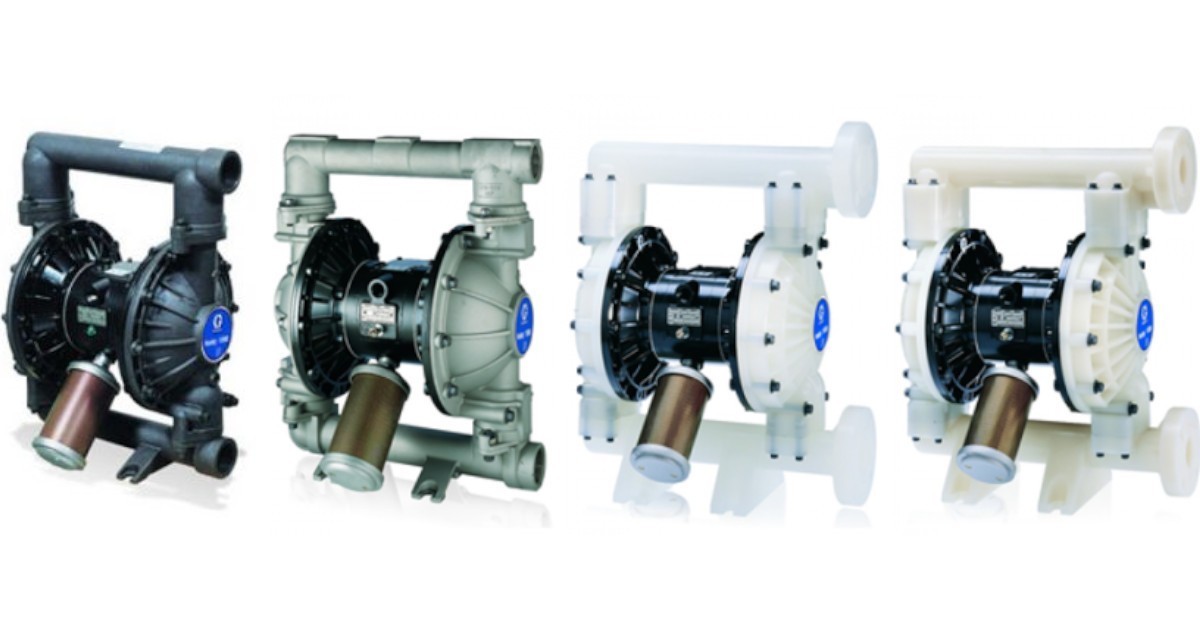
A bomba metal is robust and efficient equipment, ideal for moving fluids in various industries, such as petrochemical and food. With high durability, ease of maintenance and capacity to handle corrosive fluids, it stands out for its energy efficiency and versatility in industrial applications.
The difference between metal pump and other types of pump is essential to understand their characteristics and applications. In the world of pumps, the options are diverse, but the metal pump stands out for its durability and efficiency. In this article, we will clarify exactly what a metal pump is, its main characteristics, and how it compares to other models available on the market.
What is a metal bomb?
One metal bomb is a device designed to move fluids through a system, using metallic components in its construction. These pumps are known for their robustness and resistance, making them ideal for applications that require high durability and efficiency. They are often used in industries such as petrochemicals, pharmaceuticals and food, where material integrity is crucial.
Metallic pumps can be classified into different types, such as positive displacement pumps and centrifugal pumps. Each type has specific characteristics that make them suitable for different applications. For example, positive displacement pumps are ideal for moving viscous fluids, while centrifugal pumps are more efficient for less dense liquids.
Additionally, metal pumps are designed to withstand high pressures and temperatures, making them versatile in challenging industrial environments. The choice of a metallic pump must consider factors such as the type of fluid to be pumped, the operating temperature and pressure conditions.
Main features
As main features of a metal pump include its robust construction, resistance to high pressures and temperatures, and the ability to handle a variety of fluids. These pumps are made from metallic materials such as stainless steel or aluminum, which ensure durability and longevity, even in demanding industrial environments.
One of the most important features is the efficiency in pumping fluids. Metallic pumps are designed to minimize energy losses, which results in superior performance compared to other types of pumps. Furthermore, they can be adapted for different applications, offering flexibility in use.
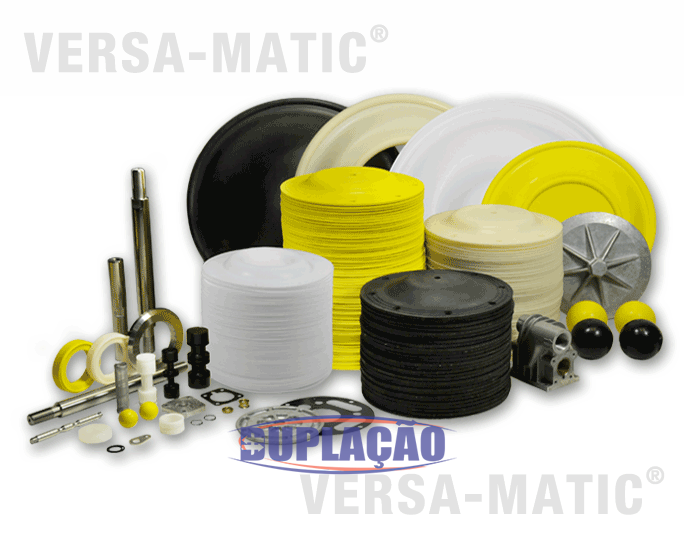
Another notable feature is the ease of maintenance. Many metal pumps are designed with components that can be easily accessed and replaced, reducing downtime and maintenance costs. This is crucial in industrial environments where operational continuity is vital.
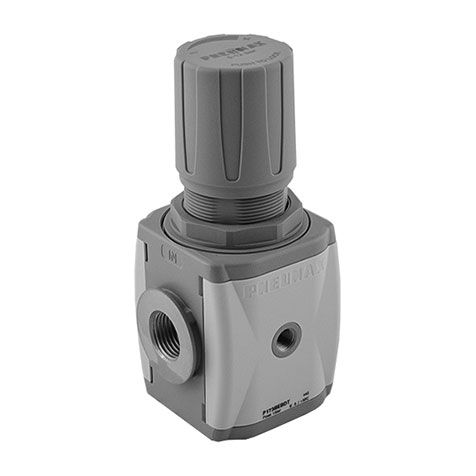
Furthermore, metal pumps can be equipped with automation technology, allowing more precise control over fluid flow and pressure. This not only improves efficiency but also increases safety in operations.
Comparison with other types of pumps
A comparison between metal pumps and other types of pumps, such as plastic pumps and rubber pumps, reveals significant differences in terms of performance, durability and applications. Metallic pumps are generally more robust and able to withstand extreme conditions such as high pressures and temperatures, making them ideal for heavy industries.
In contrast, the plastic pumps They are lighter and more resistant to corrosion, and are often used in chemical applications and in environments where corrosion is a concern. However, they may not be as effective in applications that require high pressure.
As plastic pumps, in turn, are flexible and can be used to pump viscous fluids. However, their durability is inferior to that of metal pumps, especially in harsh industrial environments. This can result in a shorter lifespan and increased maintenance requirements.
Furthermore, metal pumps offer a superior efficiency in terms of energy consumption, which can lead to a reduction in operating costs in the long term. This efficiency is crucial in applications where uptime and energy savings are priorities.
Advantages of the metal pump
As advantages of the metal pump are diverse and make it a popular choice in many industries. One of the main advantages is the durability. Metal pumps are constructed from durable materials such as stainless steel that withstand harsh conditions and have a longer lifespan compared to pumps made from other materials.
Another significant advantage is the energy efficiency. Metal pumps are designed to operate with less energy consumption, which results in lower operating costs. This is especially important in industrial applications where operating time is high.
Furthermore, metal pumps offer a greater fluid handling capacity. They can handle a wide range of fluids, including those that are corrosive or viscous, without compromising performance. This makes them versatile and suitable for various applications.
A ease of maintenance is also a positive point. Many metal pumps are designed to allow easy access to internal components, making repairs and replacements easier. This reduces downtime and costs associated with maintenance.
Practical applications of the metallic pump
As practical applications of the metallic pump They are broad and varied, reflecting their versatility in different industrial sectors. One of the main areas of use is in petrochemical industry, where these pumps are used to transfer and process corrosive and viscous liquids, ensuring efficiency and safety in operations.
Another important sector is food industry, where metal pumps are used to move ingredients and finished products. The corrosion resistance and ease of cleaning of metal pumps make them ideal for meeting the strict hygiene standards required in this sector.
Furthermore, metallic pumps are widely used in heating and cooling systems. They play a crucial role in circulating fluids in air conditioning systems, ensuring energy efficiency and reliable performance.
Na pharmaceutical, metal pumps are essential for the transport of chemicals and solutions, where precision and safety are fundamental. They help ensure that manufacturing processes meet required quality standards.
Final Considerations on Metallic Pumps
Metal pumps are essential in several industries due to their durability, efficiency and versatility. They stand out in applications that require resistance to high pressures and temperatures, in addition to being capable of handling a variety of fluids.
With features such as ease of maintenance and energy efficiency, metal pumps offer significant advantages compared to other types of pumps. Its application in sectors such as petrochemicals, food, pharmaceuticals and air conditioning systems demonstrates its importance in the market.
Therefore, when considering solutions for fluid movement, metal pumps present themselves as a reliable and effective choice, capable of meeting the demands of modern industrial operations.
FAQ – Frequently asked questions about metal pumps
What are the main advantages of metal pumps?
Metal pumps offer durability, energy efficiency and the ability to handle a variety of fluids, making them ideal for industrial applications.
In which industries are metal pumps most used?
Metallic pumps are widely used in the petrochemical, food and pharmaceutical industries and in heating and refrigeration systems.
How do metal pumps compare to other types of pumps?
Metallic pumps are more robust and efficient at high pressures and temperatures, while plastic and rubber pumps are lighter and resistant to corrosion.
How easy are metal pumps to maintain?
Metal pumps are designed to allow easy access to internal components, facilitating repairs and reducing downtime.
Are metal pumps suitable for corrosive fluids?
Yes, metal pumps, especially those made from stainless steel, are designed to resist corrosive fluids, ensuring safety and efficiency.
What is the energy efficiency of metal pumps?
Metal pumps are designed to operate with lower energy consumption, resulting in lower operating costs over time.