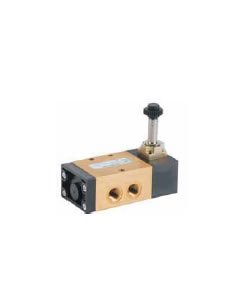
Pressure regulators are essential devices in industrial systems, ensuring safety and efficiency by maintaining constant output pressure. Proper maintenance, including inspections and calibrations, is crucial to prevent failures and extend the life of the equipment.
Os pressure regulators are crucial components in industrial systems, ensuring safety and efficiency in operation. They control the pressure of gases or liquids, preventing overloads and ensuring optimal performance. In this post, we explore how these essential devices work and their importance in industrial processes.
What are pressure regulators?
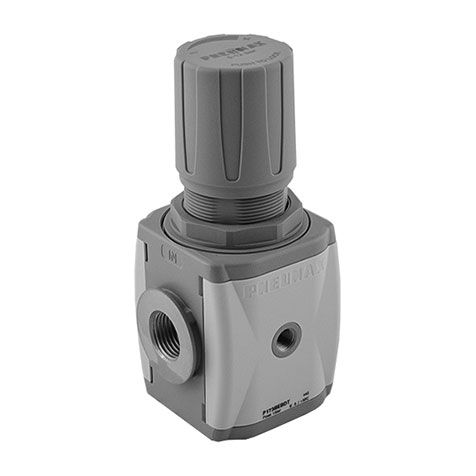
Os pressure regulators They are fundamental devices in systems that use gases or liquids under pressure. They have the function of maintaining constant output pressure, regardless of variations in input pressure or system demand. This is crucial to ensure safety and operational efficiency.
These regulators work through a mechanism that automatically adjusts the fluid passage, allowing the pressure to remain within pre-established limits. When the outlet pressure exceeds the desired value, the regulator reduces the flow, and when the pressure drops, it increases the flow, thus ensuring precise control.
There are different types of pressure regulators, including diaphragm, spring and electronic, each suited to different applications and pressure requirements. Choosing the correct regulator is essential for optimal system performance.
Additionally, proper installation and maintenance of pressure regulators is vital to prevent failures and ensure equipment longevity. Regular inspections and adjustments can prevent problems that could compromise system safety and efficiency.
How pressure regulators work in systems
Os pressure regulators They operate through a mechanism that adjusts the fluid passage, ensuring that the output pressure remains constant, even in the face of variations in input pressure or system demand. This control is essential for the safety and efficiency of industrial operations.
The basic functioning of a pressure regulator involves a sensitive element, such as a diaphragm or spring, that reacts to changes in pressure. When the outlet pressure increases beyond the desired level, the regulator partially closes the fluid passage, reducing flow. Conversely, if the outlet pressure drops, the regulator opens the passage, allowing an increase in flow.
Furthermore, regulators can be classified into different types, such as spring regulators, which use the force of a spring to control pressure, and electronic regulators, which offer more precise control and can be integrated into automated systems.
It is important to highlight that the correct installation and calibration of pressure regulators are essential for their effective operation. An improperly adjusted regulator can lead to unwanted fluctuations in pressure, resulting in equipment damage and safety hazards.
Importance of regulators in industrial processes
A importance of pressure regulators in industrial processes cannot be underestimated. They play a crucial role in maintaining operational safety and efficiency by controlling the pressure of gases and liquids in various applications.
An adequate pressure regulator ensures that the pressure remains within safe limits, avoiding the risk of explosions or equipment failures. This is especially vital in industries such as petrochemicals, pharmaceuticals and food, where precision pressure is essential for the quality of the final product.
Furthermore, regulators help to optimize energy consumption. By maintaining optimal pressure, they prevent waste and ensure systems operate efficiently. This not only reduces operating costs, but also contributes to environmental sustainability.
Another important aspect is equipment protection. Well-calibrated pressure regulators protect pumps, valves and other system components from damage caused by excessive pressures, extending the life of the machinery and reducing the need for maintenance.
Care in maintaining pressure regulators
Proper maintenance of pressure regulators It is essential to ensure its efficient operation and extend its useful life. There are several precautions that must be taken to avoid failures and ensure system security.
Firstly, it is important to carry out regular inspections. Check regulator components for leaks, corrosion, or visible damage. Any signs of wear must be treated immediately to avoid major problems.
Furthermore, the calibration of the regulators must be carried out periodically. This ensures they are operating within the correct specifications and maintaining the desired pressure. Calibration must be carried out by qualified professionals, using appropriate equipment.
Another important precaution is cleaning the regulators. Accumulations of dirt or contaminants may affect device performance. Clean the external parts and, when necessary, disassemble the regulator for deeper internal cleaning, following the manufacturer's recommendations.
Finally, keep a record of the maintenance carried out. This helps monitor regulator performance over time and identify patterns that may indicate the need for replacement or repair.
Importance of Pressure Regulators in Industrial Systems
Pressure regulators are essential to ensure safety and efficiency in industrial processes. They maintain adequate pressure, preventing risks and damage to the equipment.
With correct maintenance, including regular inspections and calibrations, you can extend the life of these devices and ensure they function optimally.
Therefore, investing in maintenance and knowledge about pressure regulators is essential for any industrial operation that seeks efficiency and safety.
FAQ – Frequently asked questions about pressure regulators in industrial systems
What are pressure regulators?
Pressure regulators are devices that maintain constant output pressure in systems that use gases or liquids under pressure.
Why are pressure regulators important?
They guarantee the safety and efficiency of systems, avoiding the risk of explosions and damage to equipment.
How do pressure regulators work?
Regulators automatically adjust fluid passage, controlling output pressure based on input variations.
What precautions should I take when maintaining pressure regulators?
It is important to perform regular inspections, periodic calibrations and cleaning of devices to ensure their proper functioning.
When should I replace a pressure regulator?
A regulator must be replaced when it shows signs of wear, leaks or frequent failures that compromise its effectiveness.
Can pressure regulators be used in any type of system?
Yes, they can be used in various industrial systems, from petrochemical to food, adapting to the specific needs of each application.