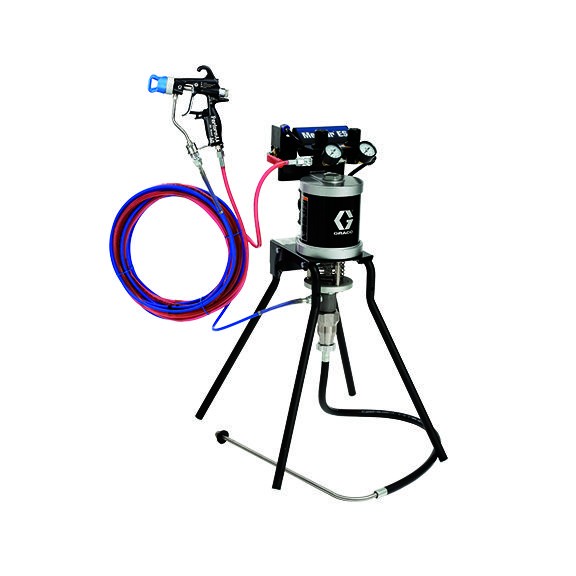
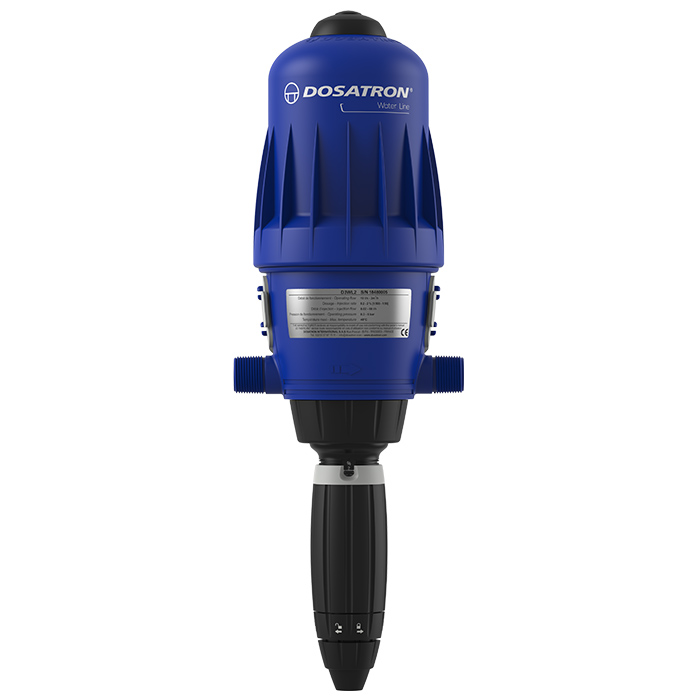
Pneumatic fluid is a fundamental component in automation and control systems, used to transmit energy through compressed air. In this article, we will explore its properties, practical applications and the importance of this fluid in modern industry.
What is Pneumatic Fluid? Definition and characteristics of pneumatic fluid, including its composition and physical properties.
Pneumatic fluid It is a means of transmitting energy that uses compressed air to perform mechanical work. It is widely used in industrial automation and control systems.
A composition of pneumatic fluid is basically atmospheric air, which is composed of approximately 78% nitrogen, 21% oxygen and 1% other gases, such as argon and carbon dioxide.
Physical properties of pneumatic fluid include compressibility, which is the ability of air to be compressed, and low density, which allows air to move quickly through systems.
Additionally, pneumatic fluid is inert, meaning it does not react chemically with most materials, making it safe to use in a variety of applications.
Controlling air pressure and flow is essential for the efficient operation of pneumatic systems, ensuring that energy is transmitted effectively and safely.
Applications of Pneumatic Fluid in Industry. Exploration of the various applications of pneumatic fluid in sectors such as automation, transport and process control.
Pneumatic fluid It is widely used in various industrial applications due to its versatility and efficiency.
Na automation, it is fundamental for the operation of actuators and pneumatic cylinders, which perform precise and controlled movements in machines and equipment. These pneumatic systems allow for process automation, increasing productivity and reducing the need for manual intervention.
In the sector of transport, pneumatic fluid is used in material transport systems, such as assembly lines, where parts are moved quickly and efficiently.
Furthermore, compressed air is used in process control, where it regulates valves and safety devices, ensuring the safe and efficient operation of industrial equipment.
The flexibility of pneumatic fluid allows it to be adapted to different needs, making it a popular choice in several industries.
Advantages of Using Pneumatic Fluid. Analysis of the benefits of pneumatic fluid, such as energy efficiency, safety and versatility.
Pneumatic fluid offers several advantages which make it a preferred choice in industrial systems.
One of the main advantages is the energy efficiency. The use of compressed air allows machines and equipment to operate with lower energy consumption compared to other energy transmission systems.
Furthermore, pneumatic fluid is insurance to operate, as it does not present a risk of fire or explosion, unlike hydraulic fluids which can be flammable.
A versatility of pneumatic fluid is also notable as it can be used in a wide range of applications, from process automation to material transportation.
Another important benefit is ease of maintenance, as pneumatic systems generally require less care and are simpler to repair.
Finally, the ability to quickly adjust pressure and air flow allows pneumatic systems to be adaptable to different operational needs, increasing flexibility in production lines.
Maintenance and Care of Pneumatic Systems. Tips and best practices for maintaining systems that use pneumatic fluid, ensuring efficiency and durability.
Proper maintenance of pneumatic systems is essential to guarantee the efficiency and a durability of equipment.
Firstly, it is important to carry out regular inspections to check the presence of leaks in the system. Leaks can cause loss of pressure and efficiency, resulting in increased operating costs.
Furthermore, it is recommended to Filter cleaning air, which must be checked and cleaned periodically to avoid contamination of the pneumatic fluid.
Another crucial point is checking the valves and actuators, which must be tested to ensure they are working correctly.
Adequate lubrication of moving components is also essential, as it reduces wear and extends the system's useful life.
Finally, it is advisable to maintain a Maintenance Record detailed, documenting all interventions carried out, which helps to identify patterns and predict future maintenance needs.