The pressure effect is a physical phenomenon that manifests itself in various everyday situations and in industrial processes. Understanding this effect is fundamental for application in areas such as engineering, meteorology and materials science. In this article, we will explore the definitions, practical examples and relevance of the pressure effect in different contexts.
1. Definition of Pressure Effect
The pressure effect is a physical phenomenon that occurs when a force is applied to a specific area. This force can be generated by gases or liquids and results in a change in the pressure of the medium in which it is inserted.
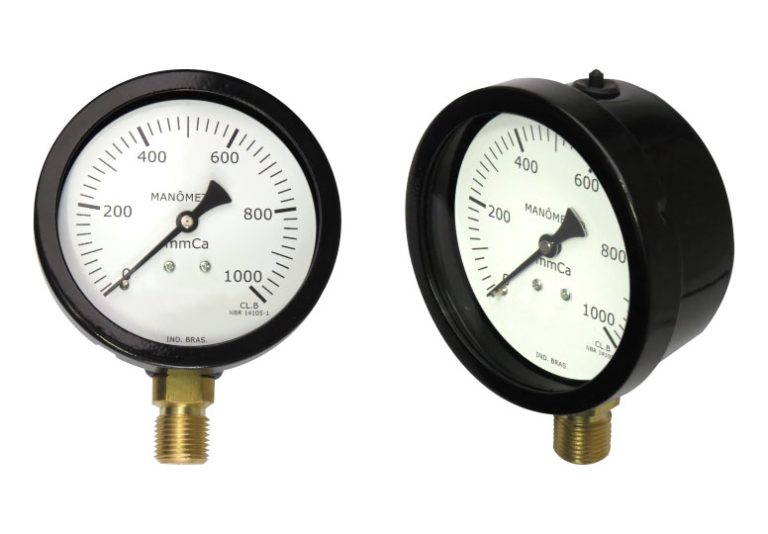
Pressure is defined as the force exerted per unit area and is measured in pascals (Pa) or atmospheres (atm). When pressure increases, fluid molecules move more quickly, which can cause various reactions and effects.
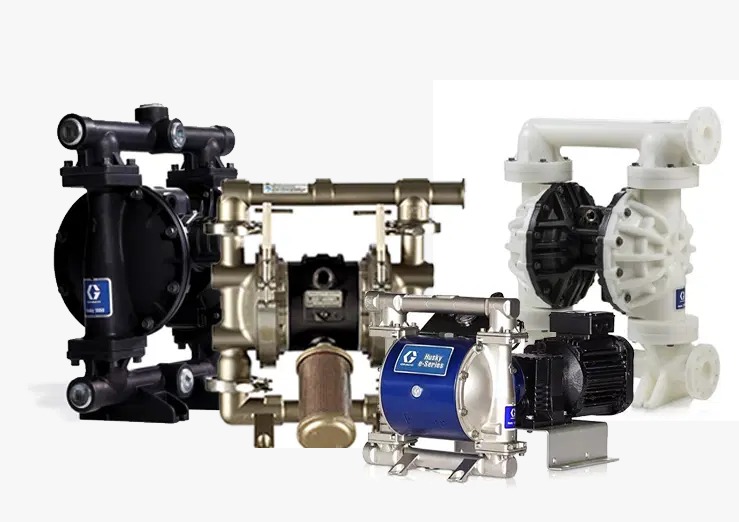
A classic example The effect of pressure is the operation of pneumatic pumps, where air pressure is used to move objects or fluids.
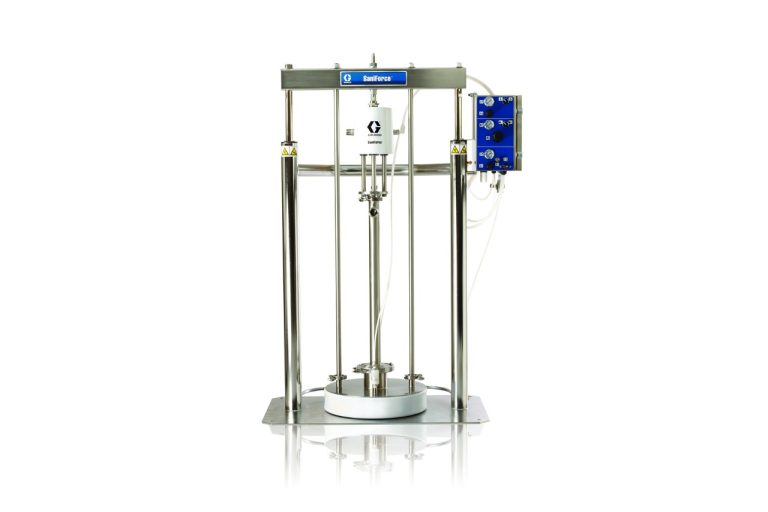
Furthermore, the pressure effect is fundamental in hydraulic systems, where the pressure applied to a fluid is transmitted to other parts of the system, allowing the control of machines and equipment.
In summary, understanding the effect of pressure is crucial for various applications in engineering and science, as it directly influences the behavior of fluids and gases under different conditions.
2. Practical Examples of the Pressure Effect
The pressure effect It can be observed in various everyday situations and in industrial applications.
A practical example is the use of air pumps in pneumatic systems. When the pump is turned on, it creates pressure that pushes air through tubes, allowing pneumatic tools to work efficiently.
Another example is the functioning of vehicle tires. Tire internal pressure is crucial to ensuring vehicle safety and efficiency. Properly inflated tires improve grip and reduce fuel consumption.
Furthermore, in processes of vacuum packaging, the pressure effect is used to remove air from inside the packaging, extending the shelf life of the food.
In medicine, the pressure effect is applied to mechanical ventilators, which help patients breathe by supplying air under pressure.
These examples show how the pressure effect is essential in various areas, from industry to daily life.
3. Applications of the Pressure Effect in Industry
The pressure effect It has several applications in industry, being fundamental for the efficiency of many processes.
One example is the use of Hydraulic systems, where pressure is used to move large loads. These systems are common in heavy machinery such as excavators and cranes, where the force generated by fluid pressure allows heavy objects to be lifted and moved with ease.
Another example is found in assembly lines, where pneumatic actuators are used to automate processes. These actuators depend on the pressure effect to perform precise and fast movements, increasing productivity.
In the food industry, the pressure effect is applied in processes of vacuum packaging, which help preserve food by removing air and preventing oxidation.
Furthermore, in chemical industries, pressure control is crucial for chemical reactions, ensuring that products are manufactured safely and efficiently.
These applications demonstrate how the pressure effect is essential for the effective operation of various industrial sectors.
4. Pressure Effect in Natural Sciences
The pressure effect It is a fundamental concept in natural sciences, influencing several phenomena.
A clear example is the gas behavior. According to the Leo by Boyle, the pressure of a gas is inversely proportional to its volume, when the temperature is constant. This means that when the pressure on a gas increases, its volume decreases.
Another example is found in meteorology, where variations in atmospheric pressure affect the climate. High pressure regions are generally associated with sunny days, while low pressure areas can bring rain and thunderstorms.
Furthermore, the pressure effect is crucial in hydrology, where water pressure at different depths influences the distribution of aquatic organisms and the solubility of gases, such as oxygen.
In biology, the pressure effect is also observed in organisms that live at great ocean depths, where the pressure is extremely high, requiring special adaptations to survive.
These examples show how the pressure effect is essential for understanding natural phenomena in various scientific disciplines.