Operational performance in pneumatic systems is crucial to the efficiency of industrial processes. This article explores the main factors that influence the performance of these systems, addressing the choice of components to proper maintenance.
Importance of operational performance: analysis of operational performance relevance in pneumatic systems and their impact on industrial productivity.
The importance of operational performance in pneumatic systems It is a crucial factor for efficiency and productivity in industries. Pneumatic systems are widely used in automated processes, where precision and speed are essential. When these systems operate efficiently, they not only reduce operational costs but also increase the quality of final products. Optimized operational performance means fewer unscheduled downtime and greater reliability, which translates into a more continuous and productive workflow.
Performance-Critical Components include valves, actuators and pneumatic pumps. To the Valves controlam o fluxo de ar e são essenciais para a operação correta do sistema. A escolha de válvulas de alta qualidade pode melhorar a resposta e a precisão do sistema. Os actuators, que convertem a energia do ar comprimido em movimento mecânico, devem ser selecionados com base nas necessidades específicas da aplicação. Por fim, as pneumatic pumps são responsáveis por fornecer o ar comprimido necessário para o funcionamento do sistema. A eficiência dessas bombas impacta diretamente a pressão e o fluxo, que são vitais para o desempenho geral.
Manutenção e monitoramento They are essential to guarantee the efficiency and extend the useful life of pneumatic systems. Preventive maintenance should include regular inspections, cleaning components and replacing worn parts. Continuous monitoring, through sensors and control systems, allows you to identify problems before they cause failures. This not only prevents unexpected downtime, but also helps optimize performance over time.
Technological trends and innovations They are shaping the future of pneumatic systems. The integration of technologies such as the Internet of Things (IoT) allows for more accurate and real -time monitoring, facilitating data analysis and informed decisions. In addition, new automation and control solutions are being developed to improve energy efficiency and reduce waste. These innovations not only improve operational performance, but also help companies to remain competitive in a constantly evolving market.
Critical Performance Components: Description of the main components that affect performance, such as valves, actuators and pneumatic pumps.
Performance-Critical Components in pneumatic systems are essential to ensure the efficiency and effectiveness of industrial operations. Among the main components, the following stand out: Valves, os actuators e and pneumatic pumps.
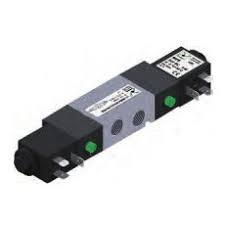
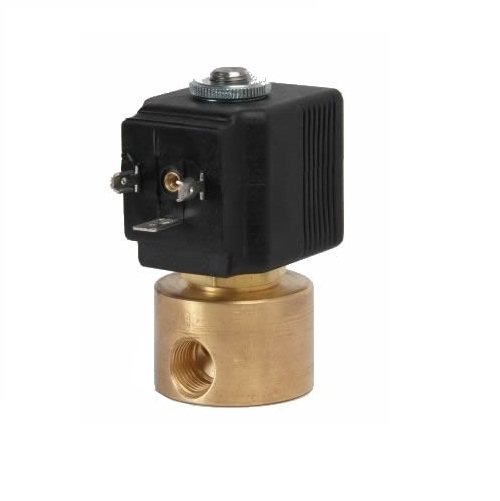
As Valves play a key role in controlling the flow of compressed air. They regulate the direction and quantity of air that passes through the system, directly influencing the speed and precision of operations. Choosing high-quality valves, such as those from the Pneumax brand, can result in faster response and more reliable operation.
Os actuators are responsible for converting the energy of compressed air into mechanical movement. There are different types of actuators, such as linear and rotary, each suitable for specific applications. Correct actuator selection is crucial as it impacts the force and speed of movement, affecting system productivity.
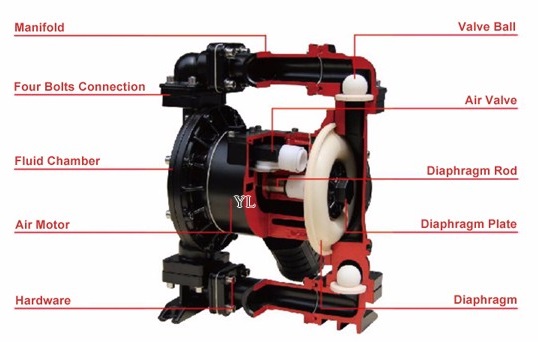
As pneumatic pumps They are responsible for providing the compressed air necessary for the system to function. Pump efficiency influences pressure and air flow, which are vital to overall performance. Diaphragm pumps, for example, are known for their ability to operate in demanding environments while maintaining efficiency and reliability.
In addition to these components, correct integration between them is essential to optimize the performance of the pneumatic system. Regular maintenance and choosing quality components are best practices to ensure your system operates at its maximum potential.
Maintenance and Monitoring: Preventative maintenance and monitoring strategies to ensure efficiency and extend the useful life of pneumatic systems.
Manutenção e monitoramento They are essential to guarantee the efficiency and extend the useful life of pneumatic systems. THE preventive maintenance it should be a regular practice in industries that use these systems. This includes periodic inspections, cleaning components and replacing worn parts. Maintenance helps identify problems before they become serious failures, avoiding unscheduled downtime that can impact productivity.
An important aspect of maintenance is the calibration of the components. Valves and actuators must be calibrated to ensure they operate within the correct specifications. This ensures that the system operates efficiently, reducing energy consumption and increasing the accuracy of operations.
O monitoring continuous is another vital strategy. The use of sensors and control systems allows operators to track real -time performance. These systems can detect variations in pressure, leaks and other problems that can affect system function. With real time data, you can make quick and informed decisions to correct problems before they cause interruptions.
In addition, the implementation of Management Software can facilitate maintenance planning. This software helps to schedule maintenance activities, recording service history and alerting you to the need for interventions. This not only improves operational efficiency, but also contributes to worker safety by reducing risks associated with equipment failures.
Technological Trends and Innovations: Exploration of technological innovations that are shaping the future of pneumatic systems and improving their operational performance.
Technological trends and innovations are shaping the future of pneumatic systems and improving their operational performance. One of the main innovations is the Internet of Things (IoT), which allows the connection of pneumatic devices to a network. This enables real -time monitoring and data collection data collection. With IoT, it is possible to identify failures before they occur, optimizing maintenance and increasing efficiency.
Another important trend is the use of Artificial Intelligence (AI) for data analysis. AI can process large volumes of information collected from pneumatic systems, identifying patterns and suggesting improvements. This helps companies make more informed decisions about the operation and maintenance of equipment.
In addition, the advanced automation is becoming increasingly common. Pneumatic systems are being integrated into robots and automated machines, increasing the precision and speed of operations. This automation not only improves productivity but also reduces the risk of human errors.
As efficient energy solutions are also gaining prominence. New technologies are being developed to reduce energy consumption in pneumatic systems, such as more efficient air compressors and energy recovery systems. These innovations not only reduce operating costs, but also contribute to environmental sustainability.
Finally, the scanning of industrial processes is transforming the way companies operate. The implementation of management and control software allows a clearer and more comprehensive view of the performance of pneumatic systems, facilitating the identification of areas that need improvement and the implementation of effective strategies.