Coalescing filters are essential devices in industries to separate liquids of different densities, such as water and oil. They guarantee the purity of the final product, improve process efficiency and reduce operational costs, being widely used in sectors such as petrochemicals, food and pharmaceuticals.
Have you ever asked yourself How coalescing filter systems work and why are they so crucial in the industry? These filters are designed to remove impurities from liquids, ensuring efficiency and quality in your process. In this article, we will explain how these filters operate, their main applications and the advantages of using them.
What are Coalescent Filters?
Coalescing filters are devices designed to separate liquids of different densities, such as water and oil, in industrial systems. They work through the process of coalescence, where small drops of liquid come together to form larger drops, making them easier to remove.
How do Coalescent Filters Work?
These filters use a filter medium that promotes the agglomeration of unwanted particles. When the liquid passes through the filter, the smaller drops of water come together, forming larger drops that are then separated from the main liquid. This is crucial to maintaining the quality of the final product and protecting equipment.
Components of two Coalescent Filters
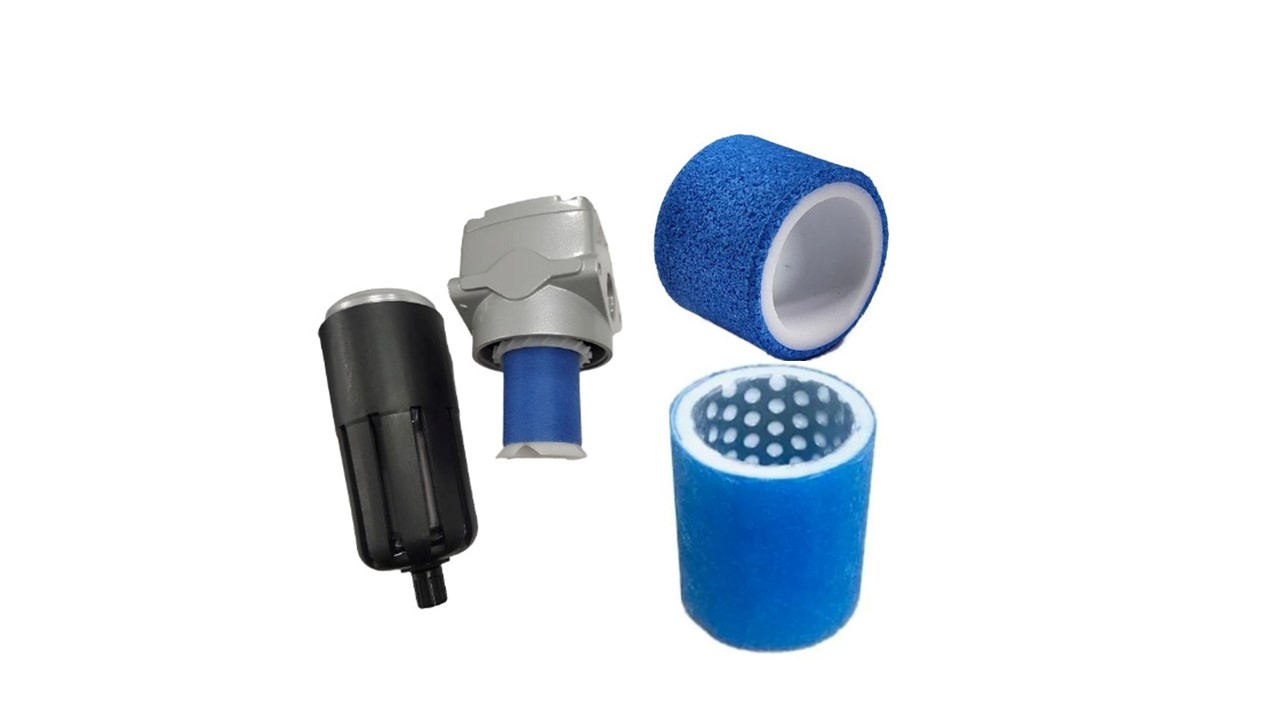
Coalescing filters generally consist of a filter element, a separation vessel and a drainage system. The filter element is responsible for capturing water droplets, while the container allows these drops to accumulate and be removed easily.
Common applications
These filters are widely used in industries such as petrochemical, pharmaceutical and food, where liquid purity is essential. They help prevent contamination and ensure processes operate efficiently.
How do Coalescent Filters Work?
Coalescing filters operate through a process that allows the efficient separation of liquids with different densities, such as water and oil. When a liquid enters the filter, it passes through a filter medium that promotes the agglomeration of small water droplets. These droplets come together to form larger droplets, which are easier to remove.
Coalescence Process
The coalescence process is fundamental for the functioning of filters. As the liquid flows through the filter, the smaller droplets collide and join together, forming larger droplets. This phenomenon is facilitated by the structure of the filter medium, which is designed to maximize the interaction between droplets.
Liquid Separation
After the formation of larger droplets, they accumulate and separate from the main liquid due to the difference in density. The lighter liquid, such as oil, floats, while water, being denser, settles at the bottom of the separation vessel.
Maintenance and Efficiency
To ensure the efficiency of coalescing filters, it is important to carry out regular maintenance. This includes cleaning the filter media and checking the drainage system. A well-maintained filter not only improves the quality of the treated liquid, but also extends the useful life of the equipment.
Applications of Coalescent Filters in Systems
Coalescing filters are widely used in various industries due to their ability to separate liquids of different densities. They play a crucial role in processes where liquid purity is essential.
Petrochemical Industry
In the petrochemical industry, coalescing filters are used to remove water from fuels and oils. This is vital to guarantee the quality of final products and avoid damage to equipment.
Food industry
In the food industry, these filters help ensure that oils used in frying processes are free from impurities. This not only improves product quality but also meets food safety standards.
Wastewater Treatment
Coalescing filters are also applied in wastewater treatment, where they help remove oils and grease. This is important to meet environmental regulations and protect water resources.
Pharmaceutical Sector
In the pharmaceutical sector, the purity of liquids is critical. Coalescing filters ensure that solvents and other liquids used in production are free of contaminants, ensuring the quality of medicines.
Advantages of Using Coalescent Filters
Coalescing filters offer several advantages which make them essential in many industrial processes. They are designed to improve the efficiency and quality of the treated liquid.
Efficiency in Liquid Separation
One of the main advantages of coalescing filters is their ability to effectively separate liquids of different densities. This ensures that the final product is free of impurities, which is crucial for quality.
Reduction of Operating Costs
By using coalescing filters, companies can reduce operating costs. This is because these filters minimize the need for additional purification and equipment maintenance processes, extending their useful life.
Improvement in Product Quality
Coalescing filters help maintain final product quality by removing unwanted contaminants. This is especially important in industries such as food and pharmaceuticals, where purity is key.
Ease of maintenance
Maintenance of coalescing filters is relatively simple. This allows companies to carry out regular inspections and cleaning without significantly disrupting production, ensuring continuous and efficient operation.
Conclusion on Coalescing Filters
Coalescing filters are essential tools in several industries, offering significant advantages in liquid separation. They guarantee the purity of the final product, improve process efficiency and reduce operating costs.
Furthermore, the ease of maintenance of these filters allows companies to maintain continuous production without interruptions. With all these advantages, it is clear that the adoption of coalescent filters can revolutionize the way industries operate.
Therefore, considering the implementation of these filters is an important step to guarantee quality and efficiency in any industrial process.
FAQ – Frequently asked questions about coalescing filters
What are coalescing filters?
Coalescing filters are devices designed to separate liquids of different densities, such as water and oil, in industrial processes.
How do coalescing filters work?
They work through the process of coalescence, where small drops of liquid come together to form larger drops, making them easier to remove.
What are the main applications of coalescing filters?
These filters are used in industries such as petrochemicals, food, wastewater treatment and pharmaceuticals, ensuring the purity of liquids.
What are the advantages of using coalescing filters?
Advantages include efficiency in liquid separation, reduced operating costs, improved product quality and ease of maintenance.
How can I guarantee the efficiency of coalescing filters?
Regular maintenance, including cleaning the filter media and checking the drainage system, is essential to ensure the efficiency of the filters.
Are coalescing filters suitable for all industries?
Although they are widely applicable, the choice of filter must be based on the specific needs of each industry and the type of liquid to be treated.