Flow control is an essential technique in industrial automation, allowing the precise regulation of liquids and gases in various systems. In this article, we will explore the main aspects of flow control, its applications and the importance of choosing the appropriate equipment to ensure operational efficiency and safety.
1. What is Flow Control?
Flow control refers to the process of regulating the amount of liquid or gas that passes through a system. This technique is fundamental in several industrial applications, as it ensures that fluids are transported efficiently and safely. Flow control is carried out through devices that adjust the fluid passage, avoiding waste and ensuring proper operation of the equipment.
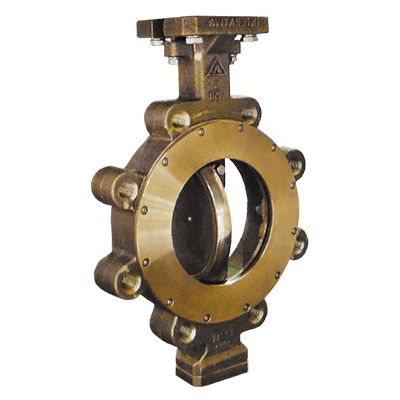
There are different methods to perform flow control, including the use of Valves, which can be manual or automatic. Automatic valves, for example, can be activated by sensors that detect the pressure or temperature of the system, adjusting the flow as necessary. This is especially important in processes that require precision, such as in the chemical and pharmaceutical industries.
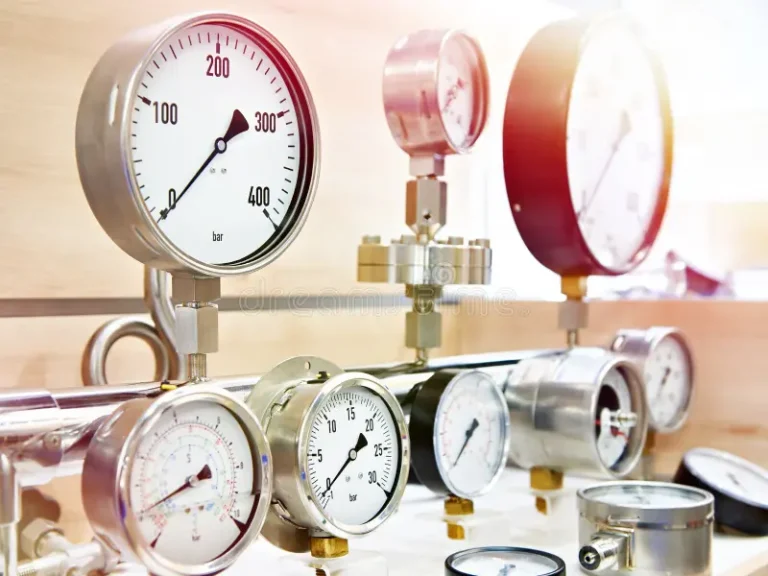
In addition to valves, other devices such as pressure regulators e flow meters they also play crucial roles in flow control. Regulators ensure fluid pressure remains within safe limits, while gauges provide real-time data on how much fluid is being transported. This information is vital for decision-making and maintaining system efficiency.
In short, flow control is an essential part of industrial automation, allowing companies to operate more efficiently and safely. Choosing the appropriate equipment and implementing an effective flow control system can result in significant cost savings and productivity improvements.
2. Types of Flow Control Equipment
There are several types of equipment used for flow control in industrial systems. Each of these devices plays a specific role and is chosen based on the needs of the process. Among the main equipment, the following stand out:
1. Válvulas de Controle: These valves are designed to regulate the passage of fluids. They can be manual or automatic. To the automatic valves They are often driven by control systems that adjust valve opening based on parameters such as pressure and temperature.
2. Flow Meters: These devices are essential for monitoring the amount of fluid passing through a system. There are several types of meters, such as electromagnetic flow meters e ultrasonic flow meters, each suitable for different applications and fluid types.
3. Pressure Regulators: Regulators are used to maintain fluid pressure at desired levels. They are essential in systems where pressure needs to be controlled to avoid damage to equipment and ensure process efficiency.
4. Pneumatic Actuators: These devices are responsible for opening or closing valves automatically. They use compressed air to generate movement and are widely used in industrial automation systems.
5. Control Systems: A control system may include programmable logic controllers (PLCs) and automation software that manage all flow control equipment. These systems ensure that all components work together efficiently.
This equipment is essential to ensure that flow control is carried out effectively, contributing to the safety and efficiency of industrial processes.
3. Flow Control Applications in Industry
O flow control It is widely used in various industries, playing a crucial role in process efficiency and safety. Applications vary by industry, but some of the most common include:
1. Chemical Industry: In the chemical sector, flow control is vital for accurate dosing of reagents. Valves and flow meters ensure that the correct quantities of substances are mixed, avoiding unwanted reactions and guaranteeing the quality of the final product.
2. Food Industry: Flow control automation is essential in food and beverage production. Control systems ensure that ingredients are added in the right quantities and at specific times, maintaining consistency and food safety.
3. Pharmaceutical Industry: In pharmaceutical manufacturing, flow control is critical to ensure that active ingredients are dosed correctly. Flow control equipment helps prevent contamination and ensures products meet strict quality standards.
4. Oil and Gas Industry: Flow control is used to monitor and regulate the extraction and transportation of oil and gas. Control valves and gauges are essential to ensure that fluids are transported safely and efficiently, minimizing the risk of leaks.
5. Heating and Cooling Systems: In HVAC (heating, ventilation and air conditioning) systems, flow control is used to regulate temperature and humidity in industrial and commercial environments. This is done through valves and actuators that adjust the flow of air and water.
These applications demonstrate the importance of flow control in different sectors, contributing to the operational efficiency and safety of industrial processes.
4. Advantages of Efficient Flow Control
O efficient flow control brings several advantages to industrial operations. These advantages not only improve productivity, but also ensure the safety and sustainability of processes. Some of the key advantages include:
1. Cost Reduction: A well-designed flow control system minimizes material and energy waste. This results in a significant reduction in operating costs, as fewer resources are used to achieve the same results.
2. Increased Security: Efficient flow control helps prevent accidents such as leaks and explosions. By regulating the pressure and quantity of fluids, systems become safer, protecting both workers and the environment.
3. Improvement in Product Quality: With precise control of the flow, it is possible to ensure that the ingredients are mixed in the correct proportions. This results in products of higher quality and consistency, better meeting customer expectations.
4. Flexibility and Adaptability: Modern flow control systems can be easily adjusted to meet different production demands. This allows companies to quickly adapt to changes in the market or customer needs.
5. Real-Time Monitoring: Flow control equipment often includes monitoring technology that provides real-time data. This allows operators to quickly identify problems and make informed decisions to optimize the process.
6. Sustentabilidade: O controle de fluxo eficiente contribui para práticas mais sustentáveis, reduzindo o consumo de recursos e minimizando o impacto ambiental. Isso é cada vez mais importante em um mundo que valoriza a responsabilidade ambiental.
Essas vantagens demonstram como o controle de fluxo eficiente é essencial para a operação bem-sucedida de processos industriais, promovendo não apenas a eficiência, mas também a segurança e a qualidade.