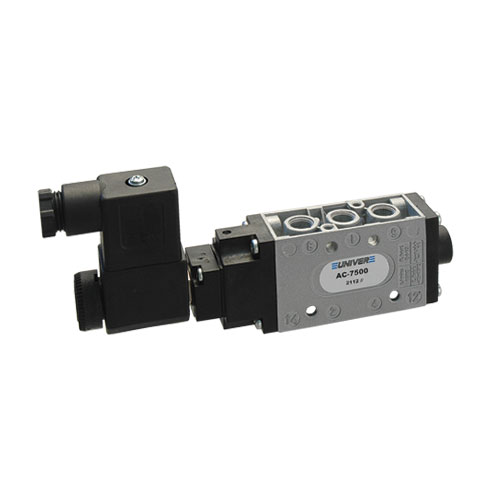
Connectors are essential components in various electrical and electronic systems, allowing the interconnection of circuits and devices. In this article, we will cover the main types of connectors, their characteristics and applications, as well as tips for choosing the ideal connector for each situation.
1. What are connectors?
Connectors These are devices that allow the interconnection of electrical and electronic circuits. They play a crucial role in transmitting signals and power between different components. Without connectors, it would be impossible to establish secure and efficient connections between devices such as computers, printers and automation systems.
Connectors can vary in shape, size and functionality. They are designed to meet different needs and applications. For example, a USB connector is widely used to connect devices such as pen drives and smartphones to computers, while a conector RJ45 It is essential for computer networks, allowing communication between devices on a local network.
Furthermore, connectors are classified according to their usage, such as power connectors, signal connectors, and data connectors. Each type of connector has specific characteristics that guarantee a safe and efficient connection. Choosing the appropriate connector is essential for the performance of the system in which it will be used.
2. Types of connectors
There are several connector types, each designed to meet specific needs in electrical and electronic systems. Below we present some of the most common types:
- USB Connectors: Mainly used to connect devices such as pen drives, keyboards and mice to computers. They are popular because of their ease of use and data transfer capabilities.
- RJ45 connectors: Essential in computer networks, these connectors allow communication between devices on a local network. They are used in Ethernet network cables.
- Power Connectors: Designed to supply electrical power to devices such as laptop power connectors and power supplies. They ensure a safe and efficient connection for power transmission.
- Audio and video connectors: They include connectors such as HDMI and RCA, used to transmit audio and video signals between devices such as TVs, projectors and sound systems.
- Terminal Connectors: Used in industrial applications, these connectors allow the connection of wires and cables in control panels and electrical equipment.
Each type of connector has specific characteristics, such as number of pins, shape and current capacity, which must be considered when choosing.
3. Connector applications
Os connectors They have a wide range of applications in different sectors, being fundamental for the functioning of electrical and electronic systems. Below, we highlight some of the main applications:
- Data Communication: Connectors such as RJ45 are essential in computer networks, allowing data transmission between devices such as routers, switches and computers. They guarantee a stable and fast connection, essential for communication in corporate environments.
- Industrial Automation: In factories and industries, connectors are used to interconnect sensors, actuators and controllers. This allows for process automation, increasing efficiency and reducing operational errors.
- Consumer Electronics: USB connectors are widely used in devices such as smartphones, tablets and digital cameras. They allow data transfer and battery charging, facilitating user interaction with technology.
- Audio and Video Equipment: HDMI and RCA connectors are used in home theater systems, TVs and projectors. They guarantee the transmission of high quality signals, both audio and video, providing a better user experience.
- Automotive Sector: Connectors are essential in modern vehicles, interconnecting electronic systems such as engine control, entertainment systems and safety sensors. They ensure communication between different electronic modules in the car.
These applications demonstrate the importance of connectors in our daily lives, facilitating the interconnection of devices and systems in different areas.
4. How to choose the ideal connector
Choose the ideal connector it is an important task that can impact the performance and efficiency of a system. To make the right choice, consider the following factors:
- Application Type: Identify the specific application for which the connector will be used. Different applications require different connectors, such as data connectors for networks and power connectors for electrical devices.
- Current Capacity: Check the current capacity of the connector. It is essential that the connector supports the current required for the device, preventing overheating and failures.
- Number of Pines: The number of connector pins must be compatible with the devices that will be interconnected. Connectors with more pins can offer more functionality, but they can also be more complex.
- Material and Durability: Consider the connector material. High-quality materials, such as metal and resistant plastic, guarantee greater durability and better performance in adverse conditions.
- Ease of use: Choose connectors that are easy to install and handle. Intuitively designed connectors can save time and reduce errors during installation.
- Standards and Certifications: Check that the connector meets the standards and certifications relevant to your application. This ensures that the connector is safe and reliable.
By considering these factors, you will be able to choose the most suitable connector for your needs, ensuring an efficient and secure connection.