Proportional control is a fundamental technique in industrial automation, allowing precise control of systems through proportional adjustments. In this article, we will explore its applications, benefits and how to implement it effectively in your operation.
What is Proportional Command?
O proportional command is a control technique used in automation systems, which allows adjusting the output of a system according to the variation of an input.
This technique is essential to ensure that the system responds appropriately to changes in operating conditions.
In a proportional control system, the output is proportional to the error, which is the difference between the desired value (setpoint) and the current value (process variable).
For example, if the temperature of an oven must be maintained at 200°C and the current temperature is 180°C, the proportional control will adjust the heater power to increase the temperature to the desired value.
This type of control is widely used in various applications, such as heating, ventilation and air conditioning (HVAC) systems, where it is necessary to maintain the temperature at a specific level.
Proportional control is effective because it allows a quick and precise response, minimizing oscillations and ensuring system stability.
Furthermore, proportional command can be combined with other control techniques, such as integral and derivative control, forming the famous PID (Proportional, Integral and Derivative) controller, which offers even more refined performance in complex systems.
Advantages of Proportional Command
O proportional command offers several advantages that make it a popular choice in automation systems. One of the main advantages is the precision in control. As the output is adjusted proportionally to the error, the system can maintain the desired value with high accuracy, reducing deviations and ensuring process quality.
Another advantage is the stability of the system. Proportional control helps minimize oscillation, providing a smoother response to input variations. This is especially important in sensitive applications where fluctuations can cause significant problems.
Furthermore, the proportional command is easy to implement and adjust. Setting up a proportional controller generally requires less time and resources compared to more complex systems such as PID controllers. This allows quick adaptation to new operating conditions.
Proportional command is also versatile, and can be applied in a wide range of industries and processes, from temperature control to pressure and flow systems. This flexibility makes it an attractive solution for many industrial applications.
Finally, the use of proportional command can result in Energy Economy. By adjusting the output efficiently, it is possible to reduce energy consumption, contributing to sustainability and reduced operating costs.
Practical Applications of Proportional Command
O proportional command It is widely used in various practical applications in industry due to its effectiveness and simplicity. One of the main areas of application is in the control of temperature. In ovens and heating systems, proportional control adjusts the heater power to maintain the desired temperature, guaranteeing the quality of the final product.
Another important application is in the control of pressure in hydraulic and pneumatic systems. Proportional control allows pressure to be maintained at ideal levels, preventing overloads and ensuring system safety. This is crucial in processes where pressure must be constantly monitored.
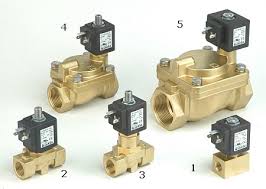
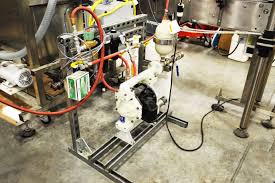
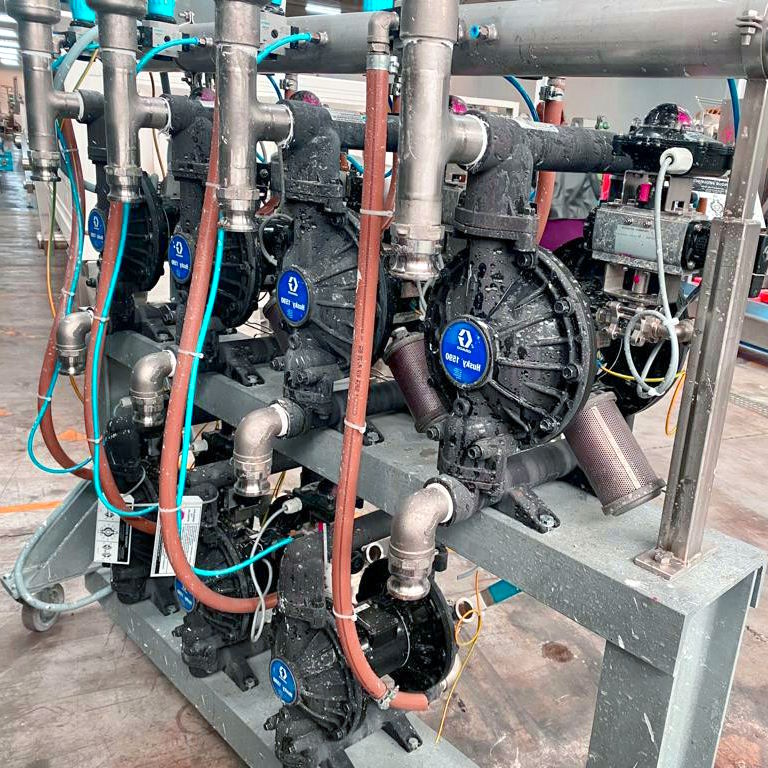
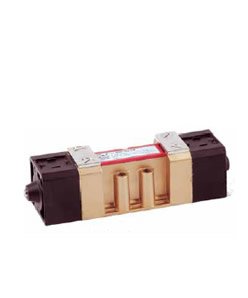
Furthermore, proportional control is used in flow, as in pumps and valves. It adjusts the opening of valves or the speed of pumps to maintain the desired flow of liquids or gases, optimizing system performance and reducing waste.
In systems of ventilation, proportional control helps regulate fan speed, adjusting the amount of air that circulates in a room. This is especially useful in commercial and industrial buildings where air quality control is essential.
Finally, the proportional command is also applied to packaging machines, where it is necessary to control the speed and accuracy of the packaging process. This ensures that products are packaged efficiently and with the desired quality.
How to Implement Proportional Command
The implementation of proportional command in automation systems requires some fundamental steps to ensure its effective functioning. First, it is necessary define the system that will be controlled. This includes identifying the type of process, such as temperature, pressure, or flow control, and determining the parameters that need to be monitored.
Then should be choose the sensor appropriate to measure the variable of interest. For example, a thermocouple can be used to measure temperature, while a pressure gauge can be used to measure pressure. The choice of sensor is crucial, as it must have the appropriate accuracy and operating range for the system.
After selecting the sensor, it is important configure proportional controller. This involves adjusting the proportional gain, which determines the sensitivity of the system to the difference between the desired value and the measured value. Too high a gain can cause oscillations, while too low a gain can result in a slow response.
Once configured, the next step is test the system. This can be done by carrying out simulations or tests under controlled conditions. During this phase, it is important to monitor system response and make proportional gain adjustments if necessary to optimize performance.
Finally, it is essential document the process de implementação e os resultados obtidos. Isso não apenas ajuda na manutenção futura, mas também fornece informações valiosas para futuras implementações em outros sistemas. A documentação deve incluir detalhes sobre a configuração do controlador, os sensores utilizados e os resultados dos testes realizados.