Lubrication pumps play a crucial role in the maintenance of industrial equipment, ensuring machines operate smoothly and efficiently. In this article, we will explore the main types of lubrication pumps, their applications and the benefits they offer to the industry.
What is a Lubrication Pump?
One lubrication pump is a device designed to supply lubricant to machines and equipment, ensuring their proper functioning and extending their useful life.
These pumps are essential in lubrication systems where even distribution of oil or grease is required to reduce friction between moving parts.
The basic operation of a lubrication pump involves capture of the lubricant in a reservoir and its injection in critical areas of the equipment.
There are different types of pumps, each suitable for specific applications, such as gear pumps, vane pumps and diaphragm pumps.
Furthermore, lubrication pumps can be manual or automatic.
As hand pumps require human intervention to operate, while automatic pumps operate continuously, ensuring that lubricant is supplied as needed, without the need for constant supervision.
In summary, lubrication pumps are critical components in industrial systems, playing a vital role in maintaining machine efficiency and reliability.
Types of Lubrication Pumps
There are several types of lubrication pumps, each designed to meet specific lubrication needs in different industrial applications. Choosing the correct type of pump is essential to ensure the efficiency of the lubrication system.
As gear pumps are one of the most common options. They use gears to move the lubricant, providing a constant and uniform flow. These pumps are ideal for applications requiring high pressure and are often used in hydraulic systems.
As PALLATE PUMPS They work with reeds that move inside a cylinder. They are known for their ability to generate moderate pressures and are suitable for medium viscosity lubricants. These pumps are often used in machines that operate under varying temperature and pressure conditions.
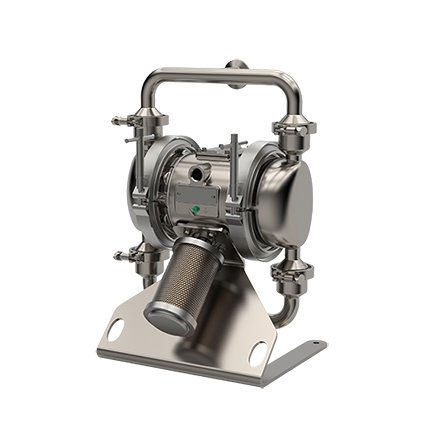
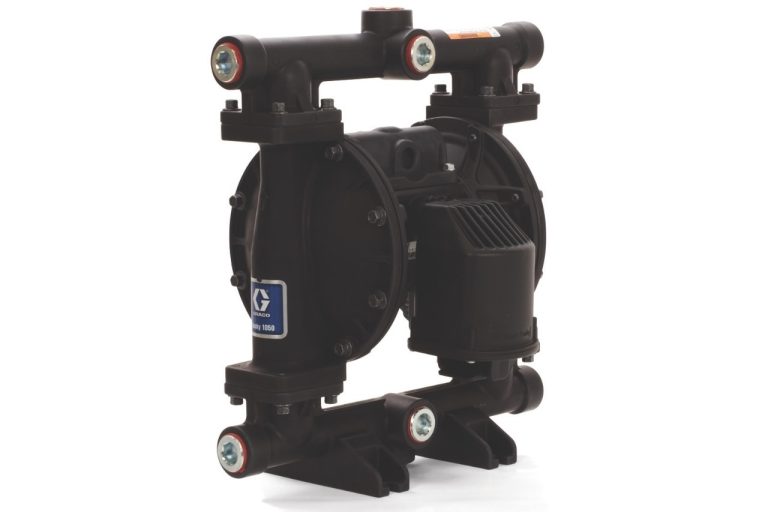
As diaphragm pumps are another popular alternative. They use a flexible diaphragm to pump lubricant, making them ideal for applications that require moving corrosive or abrasive fluids. These pumps are often used in chemical and petrochemical industries.
In addition to these, there are hand pumps, which are manually operated and are useful in situations where automatic lubrication is not viable. They are often used in small machines and equipment that do not require a complex lubrication system.
Finally, the electric pumps automate the lubrication process, allowing precise control of the lubricant flow. They are ideal for large-scale applications where efficiency and consistency are essential.
Applications of Lubrication Pumps in Industry
As lubrication pumps have a wide range of applications in industry, being essential for the efficient functioning of machines and equipment. They are used in various sectors, such as automobiles, metallurgy, chemicals and food.
In the sector automobile, lubrication pumps are critical to ensuring engines and transmissions operate smoothly. They supply oil at critical points, reducing friction and preventing premature wear of parts.
Na metallurgical industry, lubrication pumps are used in machine tools such as lathes and milling machines. The lubricant helps cool the tools and workpiece and improves the quality of the surface finish.
In processes chemicals, lubrication pumps are used to move corrosive and abrasive fluids. They ensure that equipment operates safely and efficiently, avoiding failures that could result in unscheduled downtime.
In the sector of FOOD AND DRINKS, lubrication pumps are used in equipment that processes and packages products. It is crucial that these systems are properly lubricated to prevent contamination and ensure food safety.
Furthermore, lubrication pumps are applied to transportation systems, such as belts and chains, where adequate lubrication is necessary to prevent wear and mechanical failure. They are also used in compressed air systems, where lubrication is essential for the efficient operation of compressors.
In summary, lubrication pumps play a vital role in various industrial applications, contributing to the operational efficiency and durability of equipment.
Benefits of Using Lubrication Pumps
The use of lubrication pumps brings several benefits for the operation of machines and equipment in industrial environments. One of the main benefits is the frictional reduction between the moving parts. With adequate lubrication, wear on parts is minimized, increasing the useful life of the equipment.
Another important benefit is the energy efficiency. Well-designed lubrication pumps ensure that lubricant is distributed evenly, which helps reduce energy consumption. This is especially relevant in systems that operate continuously, where energy savings can result in significant cost reductions.
Lubrication pumps also contribute to the preventive maintenance. With adequate lubrication, it is possible to avoid mechanical failures and unscheduled stops, which results in greater productivity. Maintenance becomes easier as regular lubrication helps identify problems before they become critical.
Furthermore, the use of lubrication pumps improves the Final Product Quality. In manufacturing processes, adequate lubrication can directly influence the quality of the finish and the precision of the parts produced. This is crucial in industries where quality is a determining factor for competitiveness.
Finally, lubrication pumps help to protect the environment. Efficient lubrication systems reduce lubricant waste, minimizing environmental impact. Furthermore, proper maintenance of equipment contributes to reducing emissions and pollution.