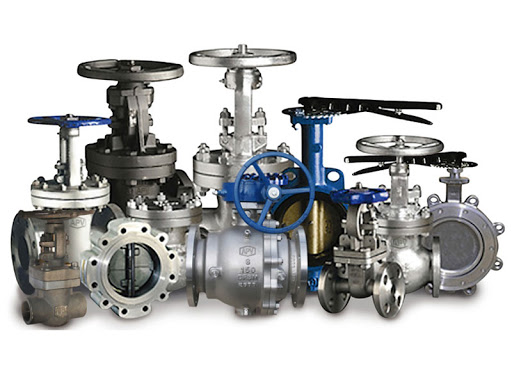
The reliability of valves is fundamental to operational success in industrial environments, as it guarantees efficiency, safety and continuity in operations. Properly assessing and maintaining valves helps prevent failures and outages, protecting both workers and the company's reputation.
You have already stopped to think about how valve reliability impacts the operational success of an industry? In today's climate, where efficiency and safety are paramount, ensuring your valves operate reliably is crucial. In this article, we will unravel the concepts of reliability in valves and their importance for effective operational performance.
Definition of reliability in valves
A valve reliability refers to the ability of these parts to maintain their performance under specific conditions over time. This means that a reliable valve must operate consistently without failure, ensuring the safety and efficiency of industrial processes.
To understand better, reliability is often measured in terms of failure rate e mean time between failures (MTBF). A valve with high reliability will have a low failure rate and a high MTBF, which indicates that it can operate for long periods without the need for maintenance.
Furthermore, reliability is directly linked to the quality of the materials used to manufacture the valves. Valves made from corrosion- and wear-resistant materials tend to have a longer service life and more reliable performance.
Another important aspect is the preventive maintenance. Performing regular inspections and scheduled maintenance can significantly increase valve reliability, preventing unexpected failures that can interrupt operation.
Importance of reliability for operational success
A importance of reliability for the operational success cannot be underestimated. In industrial environments, where efficiency and safety are paramount, valve reliability plays a crucial role in the continuity of operations.
When valves are reliable, companies can avoid unexpected downtime, which can result in significant financial losses. Maintaining a continuous workflow is vital to maximizing productivity and minimizing operational costs.
Furthermore, the reliability of the valves directly impacts the safety of workers and the environment. Failing valves can cause dangerous leaks or explosions, putting the lives of employees and the integrity of the facility at risk.
Another aspect to consider is the company's reputation. Organizations that maintain high standards of reliability in their equipment are seen as more professional and competent, which can attract new customers and business partnerships.
Finally, valve reliability is also related to compliance with industrial standards and regulations. Keeping valves in good condition is essential to meet legal requirements and avoid penalties.
How to assess valve reliability
Evaluate the valve reliability it is an essential process to ensure that industrial systems operate efficiently and safely. There are several approaches that can be used for this assessment.
One of the most common methods is to perform performance tests. These tests involve simulating real operating conditions to observe how valves behave under pressure and temperature. It is important to record any failures or anomalies during these tests.
Furthermore, the analysis of maintenance histories can provide valuable information about valve reliability. If a valve requires frequent maintenance or experiences recurring failures, this may indicate reliability issues that need to be addressed.
Another technique is the use of performance indicators, such as failure rate and mean time between failures (MTBF). These indicators help quantify reliability and identify trends over time.
Finally, the implementation of a predictive maintenance can be an effective strategy. This approach uses data and analytics to predict when a valve may fail, allowing maintenance to be performed before an actual failure occurs.
Challenges in valve maintenance
A valve maintenance is a critical part of industrial operation, but faces several challenges which can impact the reliability and efficiency of systems. One of the main challenges is the corrosion, which can damage valves over time, especially in environments where aggressive fluids are used.
Another significant challenge is the lack of adequate training for professionals responsible for maintenance. Without the necessary knowledge, technicians may fail to identify potential problems or perform maintenance inappropriately, resulting in failures.
A maintenance schedule it can also be an obstacle. Many companies struggle to find the balance between preventive and corrective maintenance, which can lead to unexpected downtime and high costs.
In addition, the availability of spare parts could be a problem. In some cases, the valves may be older or less common models, making it difficult to obtain components needed for repairs.
Finally, the integration of new technologies Valve maintenance can be challenging. Adopting monitoring and predictive maintenance systems requires investment and a change in organizational culture, which can be difficult to implement.
Importance of Valve Reliability for Operational Success
The reliability of valves is essential to ensure efficiency and safety in industrial operations. By properly evaluating and maintaining valves, companies can avoid failures and outages that can result in financial losses.
Maintenance challenges, such as corrosion and lack of training, must be addressed with effective strategies. Adopting modern technologies and implementing predictive maintenance programs can help improve reliability.
Em resumo, investir na confiabilidade das válvulas não só protege os trabalhadores e o ambiente, mas também fortalece a reputação da empresa e assegura a conformidade com normas industriais. Therefore, prioritizing reliability is essential for long-term operational success.
FAQ – Frequently asked questions about valve reliability and its impact on operational success
Why is valve reliability important to the industry?
A confiabilidade das válvulas é crucial para garantir a segurança e a eficiência das operações, evitando falhas que podem causar interrupções e perdas financeiras.
What are the main challenges in valve maintenance?
The main challenges include corrosion, lack of adequate training, maintenance scheduling and availability of spare parts.
How can I evaluate valve reliability?
Reliability can be assessed through performance tests, analysis of maintenance histories and performance indicators such as failure rate and MTBF.
What is predictive maintenance and how does it help with valve reliability?
Predictive maintenance uses data and analytics to predict failures, allowing maintenance to be performed before real problems occur, increasing reliability.
What materials are best for making reliable valves?
Corrosion and wear-resistant materials, such as stainless steel and special alloys, are ideal for ensuring the durability and reliability of valves.
How can technology help with valve maintenance?
Technologies such as remote monitoring and maintenance management systems can facilitate problem identification and optimize maintenance processes, improving reliability.