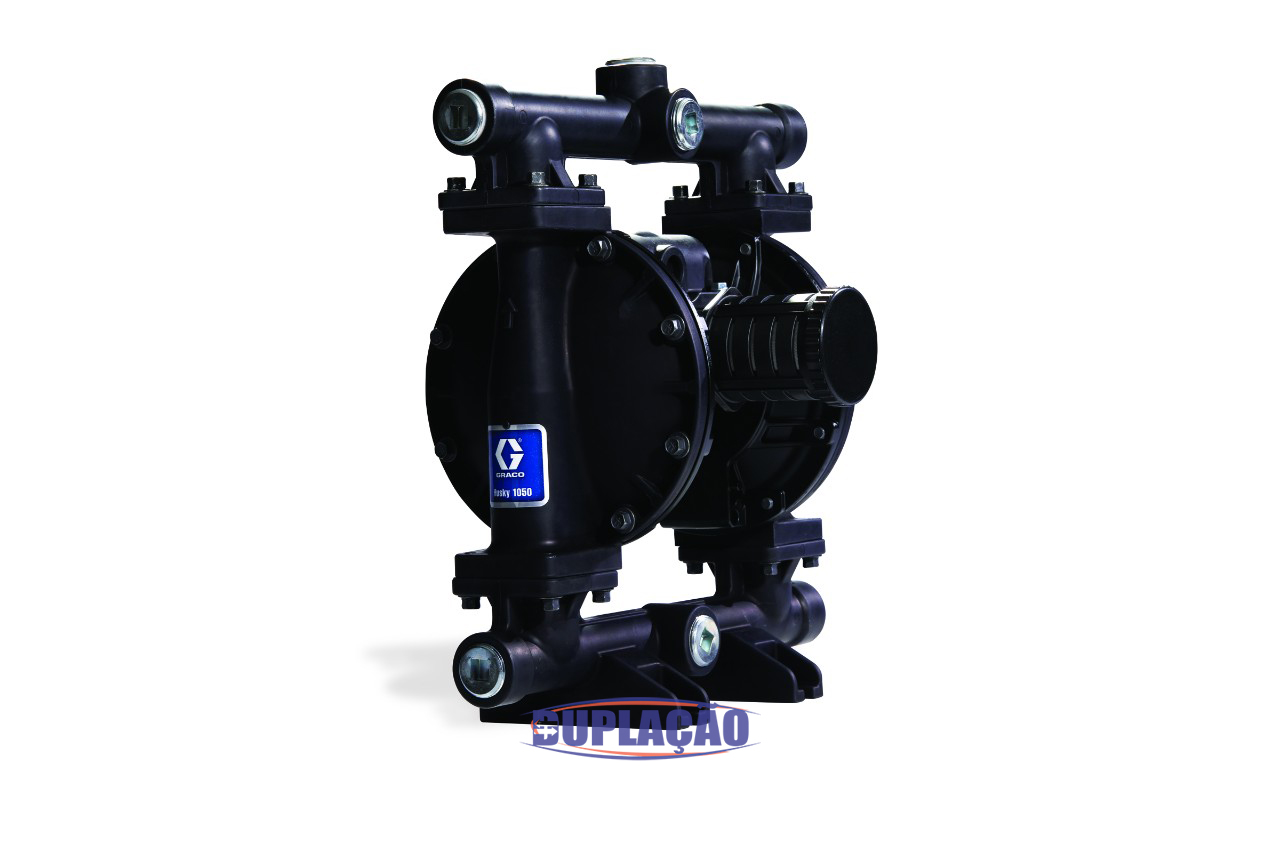
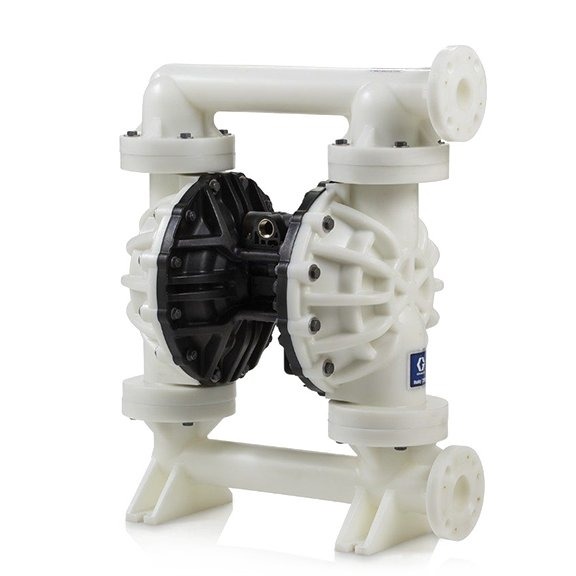
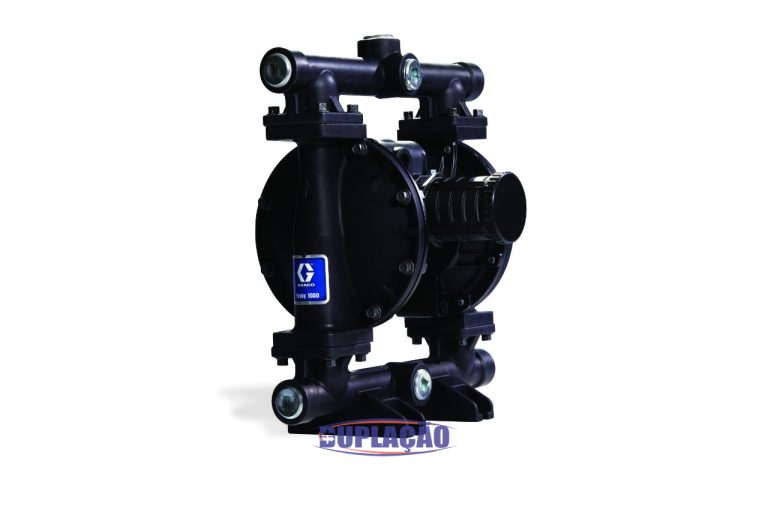
Husky's electrical -driven diaphragm pumps are an intelligent and efficient alternative for various operations within the industry. Because of their versatility, they can be applied to operations in various sectors, such as:
- Pharmaceutical industry;
- Chemical Industry;
- Food industry;
- Oil and gas industry;
- Among others.
As it is equipment that serves a wide range of applications and temperatures and presents high flexibility, the bomba Husky diaphragm system with electrical drive can deal with most of the problems encountered in operations that apply other solutions available on the market. It also features a customizable design, meaning it can be adjusted according to the company's needs.
What are the main problems presented by conventional bombs?
Operations that apply conventional pumps end up facing some obstacles, such as those we will see below:
Centrifugal bombs
Despite having a reasonable initial acquisition cost, these pumps cannot deal with various types of fluids. By presenting a complex structure with delicate components, these pumps cannot pump very abrasive fluids or with the presence of solids. This type of fluid ends up damaging its structure and making the operation of its industry more expensive.
This pump is also not suitable for operating at high speed, due to the shear caused, being indicated for more delicate fluids.
Magnetic drive pumps
Magnetic pumps:
Although this pump model can meet the demands of centrifugal pumps, they cannot meet operations that deal with fluids containing solids, being only efficient in pumping clean liquids. Another major problem caused by this type of pump is the overheating that the magnetic mechanisms present during operation. This high temperature can cause changes in the fluid and interfere with the final product.
Rotary lobe pumps:
These rotary lobe pumps require specific components for timing, which are responsible for preventing contact between the lobes, which is one of their main benefits. However, these components and gears require constant maintenance and replacement, making the operation more expensive for the company. These pumps also do not deliver efficiency when pumping thin, low-viscosity fluids.
Gear Pumps:
This type of pump can operate with viscous fluids and in a wide range of temperatures. However, due to its delicate construction, it also has a very high maintenance cost, and demand for expensive and complex parts. They also have a higher size than other bombs found in the market, not being compatible with various operations.
Progressive cavity pumps:
Progressive cavity pumps cannot work dry as they depend on the lubrication of the pumped fluid to remain in full. In addition to this problem, this pump also has a mechanical sealing system that easily wear out and has a high cost. Fluid pumping at high temperatures or abrasive favors the incidence of leaks, not the best solution for sanitary and dangerous applications.
Peristaltic bombs:
This type of pump is highly used in the market, but also has some negative characteristics depending on its application. It has a high maintenance cost and contains components that are very sensitive and degrade easily. Because you need additional leakage measures, this may not be the best solution for your operation.