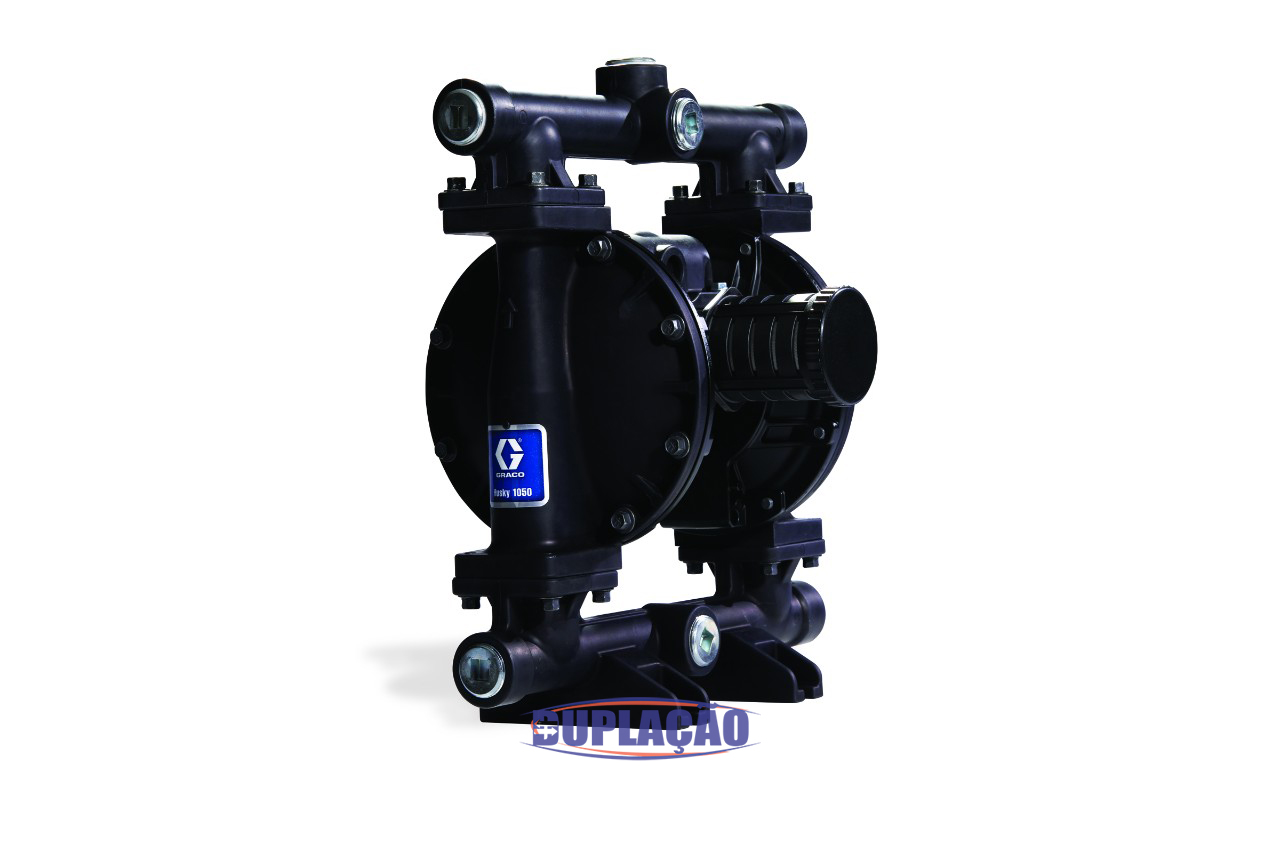
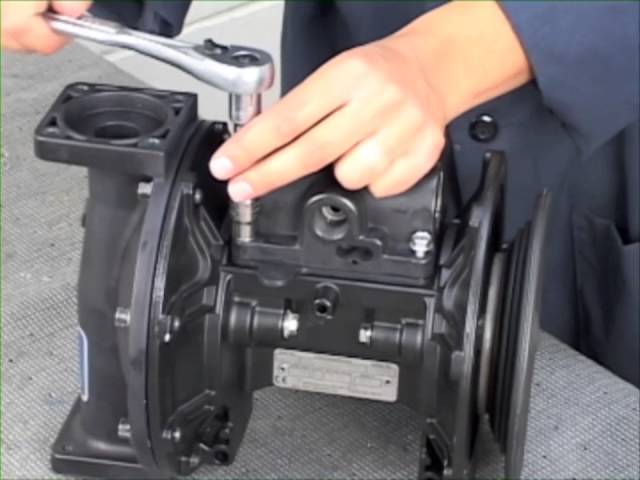
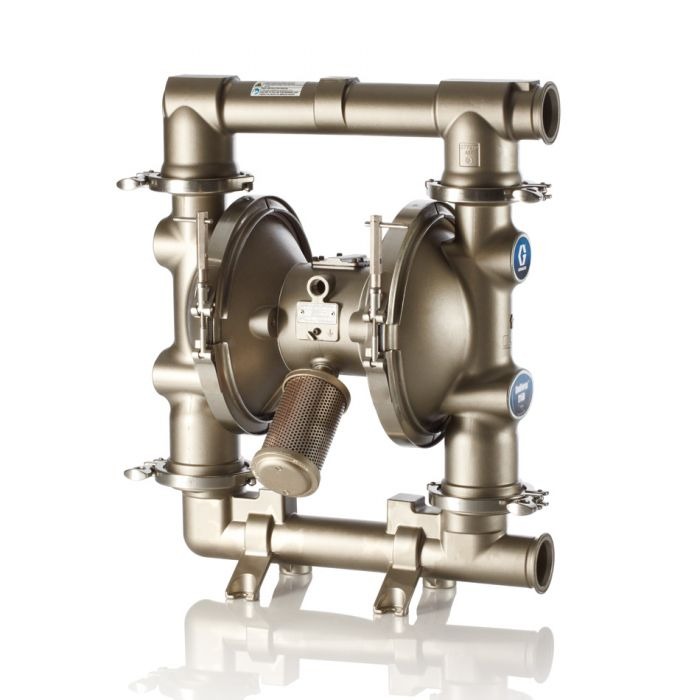
Just like standard centrifugal pumps, magnetic pumps are incompatible with different types of fluid. Another recurring problem in this type of bomba is that its magnetic components can overheat and end up damaging the composition of the fluid being pumped. To solve all these problems, you can count on a Husky pneumatic diaphragm pump.
Although magnetic pumps can deal with most of the problems associated with mechanical components, they also have several disadvantages, making them not an efficient choice for many applications, for example?
Cannot handle abrasives and solids
Magnetic pumps were created to handle clear liquids without the presence of solids. This is because even the smallest particles can cause the sleeves to fail and affect the proper functioning of the pump. Although there are certain models that can handle viscous or heavier fluids, this is not their ideal application, meaning they cannot deliver the expected productivity.
Overheating deposit
The magnets present in the magnetic pump generate a coupling action, so this operation can generate a large amount of heat in the pump. The result of this is that the liquid being pumped also heats up and can damage its structure. Furthermore, certain components can accumulate and deposit at the bottom of the pump, impairing its operation, causing failures and low productivity.
Greater sensitivity in low flow conditions
Magnetic pumps are very sensitive when running at low flow. Operating at this speed causes the pump to fail and the turbine to stop rotating.
Sensitivity to fluid viscosity variations
It is natural for fluids to present different viscosities depending on certain chemical reactions and the temperature at which it is being pumped. The viscosity of the fluids can impair the functioning of the pump and, consequently, its operation. Another problem is that operating in this state causes the magnets to demagnetize, making the pumps inefficient.
They are not self-priming
Most of magnetic pumps They are not self-priming, so for it to work correctly, it must be filled before starting operation. This means that dry running can cause irreversible damage to the equipment and impair its application.
Because they are not self-priming, they need to be installed below the fluid level, as dry running can cause certain parts to overheat and be damaged.
Graco pneumatic diaphragm pumps can handle all of these issues and deliver complete functionality for your operation. Contact us and find out which pump is ideal for your business.