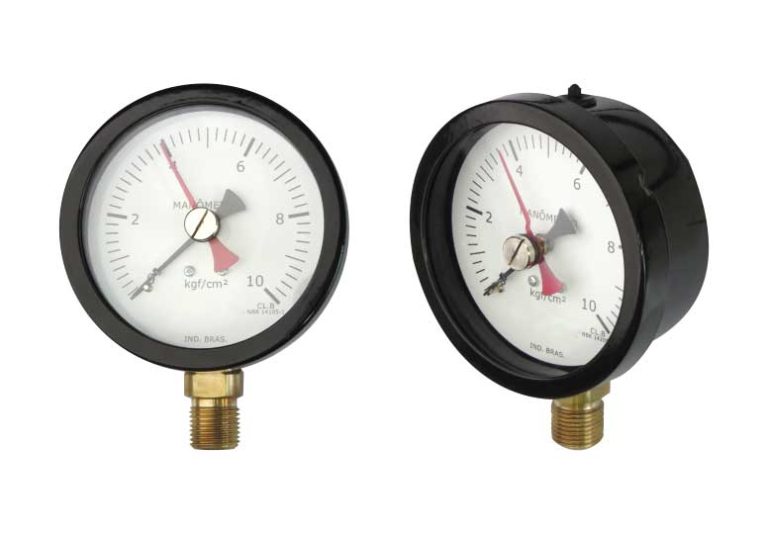
Pumps for the paint industry are essential to ensure efficiency and quality in the application of paints and varnishes. With modern technologies such as automation and connectivity, these pumps offer significant advantages including precision, reduced waste and ease of maintenance.
Have you ever stopped to think about the importance of a bomba for the paint and varnish industry? This equipment is essential to guarantee efficiency and quality in the production process, allowing paints and varnishes to be transported safely and quickly. In this article, we'll uncover what makes paint pumps essential in the industry and how to make the right choice for your business.
What is a paint pump?
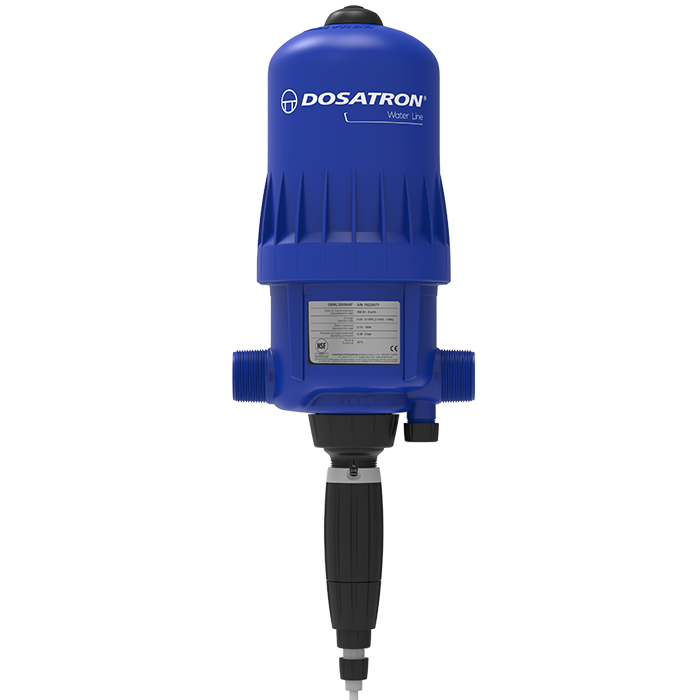
One ink pump is equipment designed to transfer paints and varnishes from one container to another, ensuring that the material is moved efficiently and safely. These pumps are essential in several industries, such as automotive painting, construction and furniture manufacturing, where precision and quality of finish are fundamental.
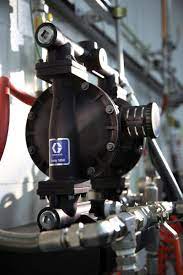
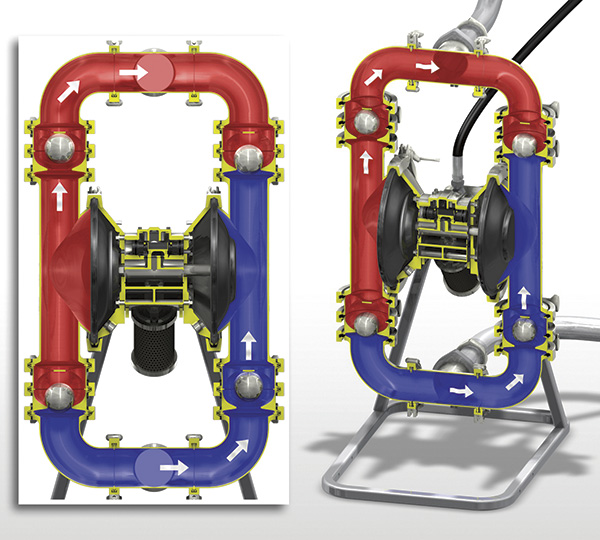
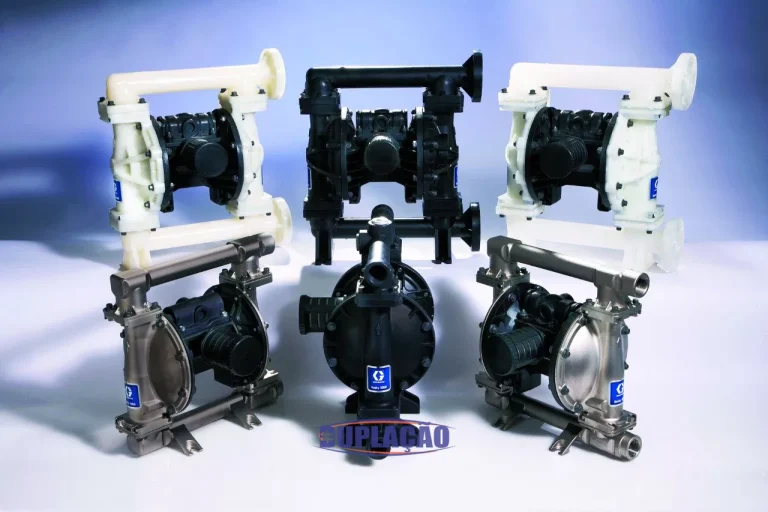
There are different types of paint pumps, including diaphragm pumps, centrifugal pumps and gear pumps. Each type has specific characteristics that meet different application needs. For example, diaphragm pumps are known for their ability to handle viscous and abrasive fluids, while centrifugal pumps are ideal for rapid transfers of less viscous liquids.
How Paint Pumps Work
Paint pumps work through a pressure system that allows the liquid to be transported. When the pump is activated, it creates pressure that forces the paint to flow through tubes and hoses to the point of application. This process is crucial to ensure that the paint is applied evenly and without interruptions, avoiding waste and ensuring a high-quality finish.
Common applications
Paint pumps are used in a variety of applications, from painting large surfaces, such as walls and vehicles, to applying finishes to furniture and decorative objects. Choosing the appropriate pump depends on the type of paint to be used, the viscosity of the material and the distance the paint needs to travel.
Advantages of pumps for the paint industry
As pumps for paint industry offer several advantages that can optimize processes and increase production efficiency. One of the main advantages is the transport efficiency of paints and varnishes, allowing these materials to be quickly moved between different stages of production, reducing waiting time and increasing productivity.
Another significant advantage is the precision in application. Modern pumps are designed to provide a constant, controlled flow, which is crucial to ensuring paint is applied evenly, resulting in high-quality finishes.
Waste reduction
Paint pumps also help to waste waste. With an efficient pumping system, it is possible to minimize the amount of paint that is retained in hoses and equipment, ensuring that the majority of the material is used in the final application.
Application Versatility
Essas bombas são versáteis e podem ser utilizadas com diferentes tipos de tintas, incluindo aquelas de alta viscosidade e compostos químicos específicos. Isso permite que as indústrias adaptem suas operações de acordo com as necessidades de produção, sem a necessidade de investir em equipamentos adicionais.
Ease of maintenance
A manutenção das bombas para tinta é geralmente simples e direta. Muitas delas são projetadas para facilitar o acesso às partes internas, permitindo que os operadores realizem manutenções regulares sem a necessidade de ferramentas complexas, o que contribui para a longevidade do equipamento.
Como escolher a bomba ideal para sua empresa
Choose the bomba ideal para sua empresa It is a crucial decision that can directly impact production efficiency and quality. There are several factors to consider to ensure the pump meets your specific needs.
1. Type of Paint
The first step is to identify the type of paint or varnish that will be used. Different types of materials have different viscosities and chemical properties, which can influence the choice of pump. For example, more viscous paints may require diaphragm pumps, while more fluid paints may be suitable for centrifugal pumps.
2. Material Viscosity
The viscosity of the material is a determining factor when choosing the pump. It is important to check the manufacturer's specifications to ensure the pump selected can handle the viscosity of the paint. Pumps designed for high viscosity materials generally have robust components that support the denser flow.
3. Flow Capacity
The pump's flow capacity must be adequate for your company's production demand. Calculate the amount of paint that needs to be transferred in a given period and choose a pump that can meet this need without compromising efficiency.
4. Transport Distance and Height
Consider the distance and height the paint needs to travel. Different pumps have varying abilities to overcome resistance to flow, and this can affect the choice. If the paint needs to be transported over long distances or to considerable heights, a more powerful pump may be necessary.
5. Maintenance and Technical Support
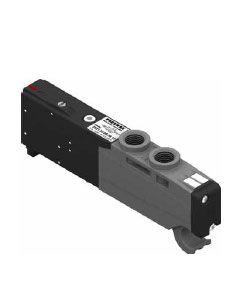
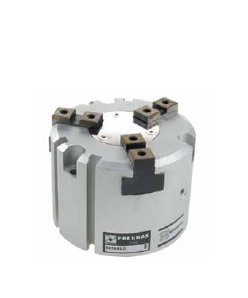
Lastly, evaluate the pump's ease of maintenance and availability of technical support. Choosing recognized brands, such as Graco Inc. and Pneumax, can guarantee access to replacement parts and technical assistance, which is essential for the longevity of the equipment.
Maintenance of pumps for paints and varnishes
A manutenção de bombas para tintas e vernizes é essencial para garantir o funcionamento eficiente e prolongar a vida útil do equipamento. Realizar manutenções regulares ajuda a evitar falhas e a garantir que a qualidade da aplicação da tinta permaneça alta.
1. Regular Inspection
É importante realizar inspeções regulares nas bombas para identificar sinais de desgaste ou danos. Verifique as mangueiras, conexões e componentes internos para garantir que não haja vazamentos ou obstruções que possam afetar o desempenho da bomba.
2. Cleaning
Cleaning is a fundamental part of maintenance. After each use, it is recommended to clean the pump and hoses to remove paint residue. This prevents ink from drying inside the equipment, which can cause clogging and damage.
3. Lubrication
Some pump models require regular lubrication to ensure moving parts run smoothly. Consult the manufacturer's manual to find out which components need to be lubricated and how often it should be done.
4. Parts Replacement
Over time, some pump parts may wear out and need replacement. Watch for signs that components such as diaphragms, seals and valves are compromised and replace them as necessary to prevent equipment failure.
5. Technical Assistance
Relying on a specialized technical assistance service is essential. In case of more complex problems, it is recommended to contact professionals who can carry out more in-depth repairs and maintenance, ensuring that the pump continues to operate in ideal conditions.
Current trends in the use of paint pumps
As current trends in the use of paint pumps reflect the evolution of technologies and market needs. With the advancement of automation and the search for efficiency, industries are adopting more innovative and sustainable solutions.
1. Automation and Remote Control
Automation is one of the main trends, allowing pumps to be controlled remotely. This not only improves efficiency, but also reduces the need for manual intervention, minimizing errors and increasing safety in the workplace.
2. Smart Pumps
The calls smart pumps are gaining prominence. Equipped with sensors and IoT connectivity, these pumps can monitor their performance in real time, alerting operators to potential failures and enabling predictive maintenance.
3. Sustainability
Sustainability is a growing concern. Industries are looking for pumps that minimize paint waste and reduce energy consumption. Models that use high-efficiency technology are preferred as they help reduce environmental impact.
4. Application Versatility
The new pumps are being designed to be more versatile, capable of handling a wider variety of paints and varnishes. This allows companies to quickly adapt to changing market demands, without the need for constant investment in new equipment.
5. Integration with Management Systems
The integration of pumps with production management systems is a growing trend. This allows companies to have more precise control over their processes, improving traceability and operational efficiency.
Conclusion on Pumps for the Paint Industry
Pumps for the paint and varnish industry are essential to ensure efficiency and quality in production. As technologies evolve, current trends show that automation, sustainability and connectivity are shaping the future of this equipment.
Choosing the ideal pump, carrying out regular maintenance and being aware of market innovations are fundamental steps to optimizing processes and reducing costs. By adopting these practices, your company can stand out and adapt to market demands, ensuring superior performance.
Therefore, investing in quality pumps and keeping up with industry trends is crucial to success in the paint industry.
FAQ – Frequently asked questions about pumps for the paint industry
What are the main types of paint pumps available on the market?
The main types include diaphragm pumps, centrifugal pumps and gear pumps, each suitable for different applications and paint types.
How can I ensure my paint pump is properly maintained?
Perform regular inspections, clean the pump after use, lubricate moving parts, and replace worn parts as necessary.
What are the advantages of using smart pumps in the paint industry?
Smart pumps offer real-time monitoring, alerts about failures and enable predictive maintenance, increasing efficiency and reducing unexpected downtime.
How can automation benefit the use of paint pumps?
Automation allows remote control of pumps, reducing the need for manual intervention and improving precision and safety in the application process.
What precautions should I take when choosing a pump for my company?
Consider paint type, material viscosity, flow capacity, transport distance and ease of maintenance when choosing a pump.
How are current trends shaping the use of paint pumps?
As tendências incluem automação, sustentabilidade, versatilidade de aplicação e integração com sistemas de gestão, que visam aumentar a eficiência e reduzir o impacto ambiental.