Identifying the correct part number for diaphragm pumps is crucial to ensuring compatibility and efficient operation of the equipment. Consult the manual, check labels and seek help from experts to avoid common mistakes and ensure the right choice.
Have you ever wondered how to identify the correct part number for diaphragm pumps? Knowing this is crucial to keeping your equipment running efficiently. In this post, we will unveil the importance of this code and how it directly impacts the performance of the pumps we use on a daily basis. Learn to decipher this information and discover valuable tips so you don't make mistakes when making the right choice!
Understanding the importance of the part code
The part code is essential to ensure compatibility and proper functioning of the diaphragm pumps. Each component has a specific code that identifies its characteristics, such as size, material and type of application. Understanding this coding is essential to avoid problems during installation and operation.
Why is code important?
A correct code ensures that the purchased part fits perfectly into the bomba, avoiding failures and damages. Furthermore, correct identification of the code facilitates maintenance and replacement of parts, ensuring continuity of operations.
How to read the part code?
Codes often include information about the manufacturer, model, and technical specifications. Familiarizing yourself with these elements can help when purchasing. Always consult the equipment manual or the manufacturer's website for precise details.
Impact on pump efficiency
Using parts with correct codes not only improves pump efficiency, but also extends its useful life. Inadequate parts can lead to mechanical failures, increased energy consumption and even safety risks.
Main types of diaphragm pumps
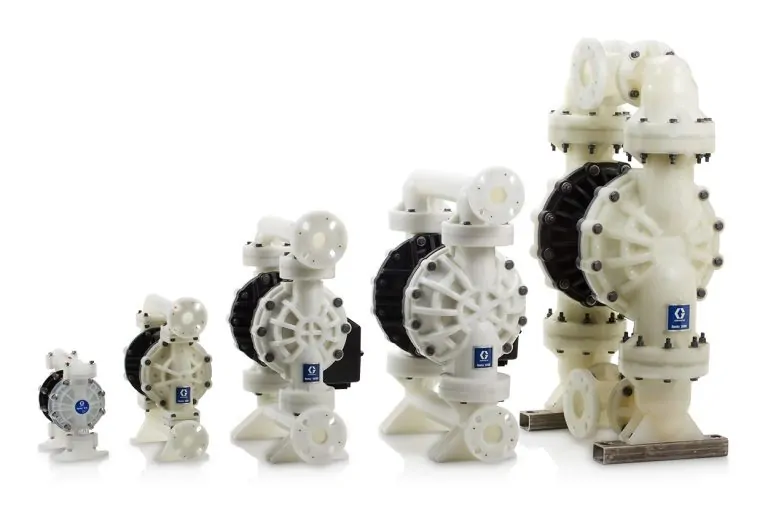
As diaphragm pumps They are widely used in various industries due to their efficiency and versatility. There are several types of diaphragm pumps, each designed to meet specific needs. Knowing the main types can help you choose the most suitable pump for your application.
Pneumatic Diaphragm Pumps
These pumps use compressed air to drive the diaphragm, allowing the pumping of viscous and abrasive liquids. They are ideal for applications requiring high pressure and are often used in chemical and painting industries.
Electric Diaphragm Pumps
Electric pumps are driven by an electric motor and are best suited for applications that require precise flow control. They are often used in laboratories and industrial processes that demand high precision.
Single and Double Acting Diaphragm Pumps
Single-acting pumps have a single diaphragm, while double-acting pumps have two, allowing continuous flow. Double action ones are more efficient and are preferred in applications that require a constant and high flow.
Sanitary Diaphragm Pumps
These pumps are designed to meet the hygiene standards required in the food and pharmaceutical industry. They are made from materials that do not contaminate the pumped liquids and are easy to clean.
Tips for finding the correct code
Find the correct part number for diaphragm pumps It can be a challenge, but some tips can make this process easier. Following these guidelines will help ensure you purchase the right part for your needs.
1. Consult the Equipment Manual
The equipment manual is the first source of information. It usually contains details about part numbers and technical specifications required for maintenance.
2. Check the Part Label
The pieces usually have labels or engravings that indicate the code. Carefully inspect the old part before purchasing to ensure you are using the correct part number.
3. Use Online Resources
Visit the manufacturer's website or supplier platforms. They often provide search tools where you can enter the pump model and find the corresponding parts.
4. Consult an Expert
If you are still in doubt, do not hesitate to consult a specialist or sales representative. They can provide valuable information and help identify the correct code.
Common errors in identifying parts
Identify the correct part number for diaphragm pumps It can be complicated, and many make mistakes that can result in operational problems. Here are some of the most common mistakes to avoid.
1. Ignore the Equipment Manual
One of the most frequent mistakes is not consulting the equipment manual. The manual contains crucial information about part numbers and specifications. Ignoring this source can lead to inappropriate choices.
2. Not Checking Compatibility
Another common mistake is not checking whether the part is compatible with the pump model. Each pump has specific requirements, and using an incompatible part can cause failure and damage to the equipment.
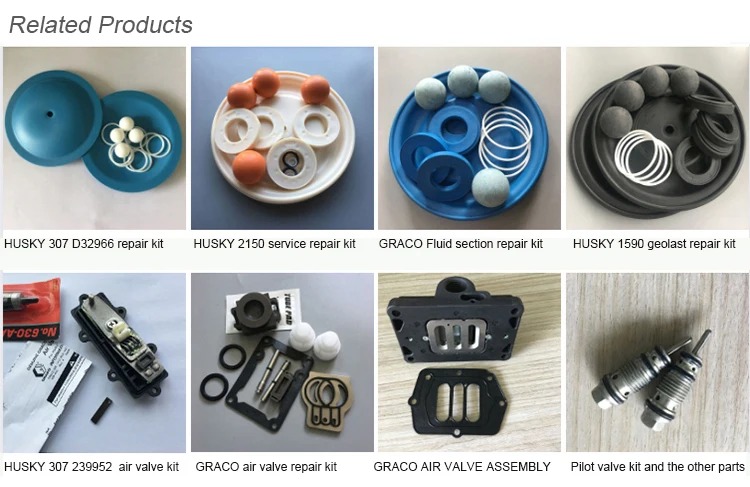
3. Relying Only on Images
Relying solely on part images can be misleading. They look similar, but may have different codes. Always check the code and specifications before making a purchase.
4. Not Asking Experts for Help
Some users are hesitant to ask experts or sales representatives for help. Being unsure of the correct code is common, and seeking guidance can avoid costly mistakes.
In summary, the importance of correctly identifying the part code
Identify the correct part code for diaphragm pumps is essential to ensure the efficient operation of the equipment. By following the tips and avoiding common mistakes, you can make this process easier and avoid future problems.
By consulting the manual, checking compatibility and seeking help from experts, you will be better prepared to make the right choice. Remember, accurate parts identification not only improves efficiency but also extends pump life.
Therefore, invest time in understanding how to identify the correct code and ensure optimal performance of your equipment.
FAQ – Parts Identification Frequently Asked Questions for Diaphragm Pumps
Why is it important to correctly identify the part number?
Correctly identifying the part code is essential to ensure compatibility and proper functioning of diaphragm pumps, avoiding failures and damage.
How can I find the correct part number?
You can find the correct code by consulting the equipment manual, checking the part label, and using online resources.
What are common errors in parts identification?
Common mistakes include ignoring the manual, not checking compatibility, relying solely on images, and not asking experts for help.
What should I do if I cannot identify the part number?
If you cannot identify the code, consult a specialist or sales representative for assistance.
Do diaphragm pumps have different types of parts?
Yes, there are different types of parts for diaphragm pumps, such as pneumatic, electrical and sanitary, each with its own specifications.
How does choosing the correct part impact pump efficiency?
Choosing the correct part improves pump efficiency, extends its useful life and avoids operational problems, ensuring optimal performance.