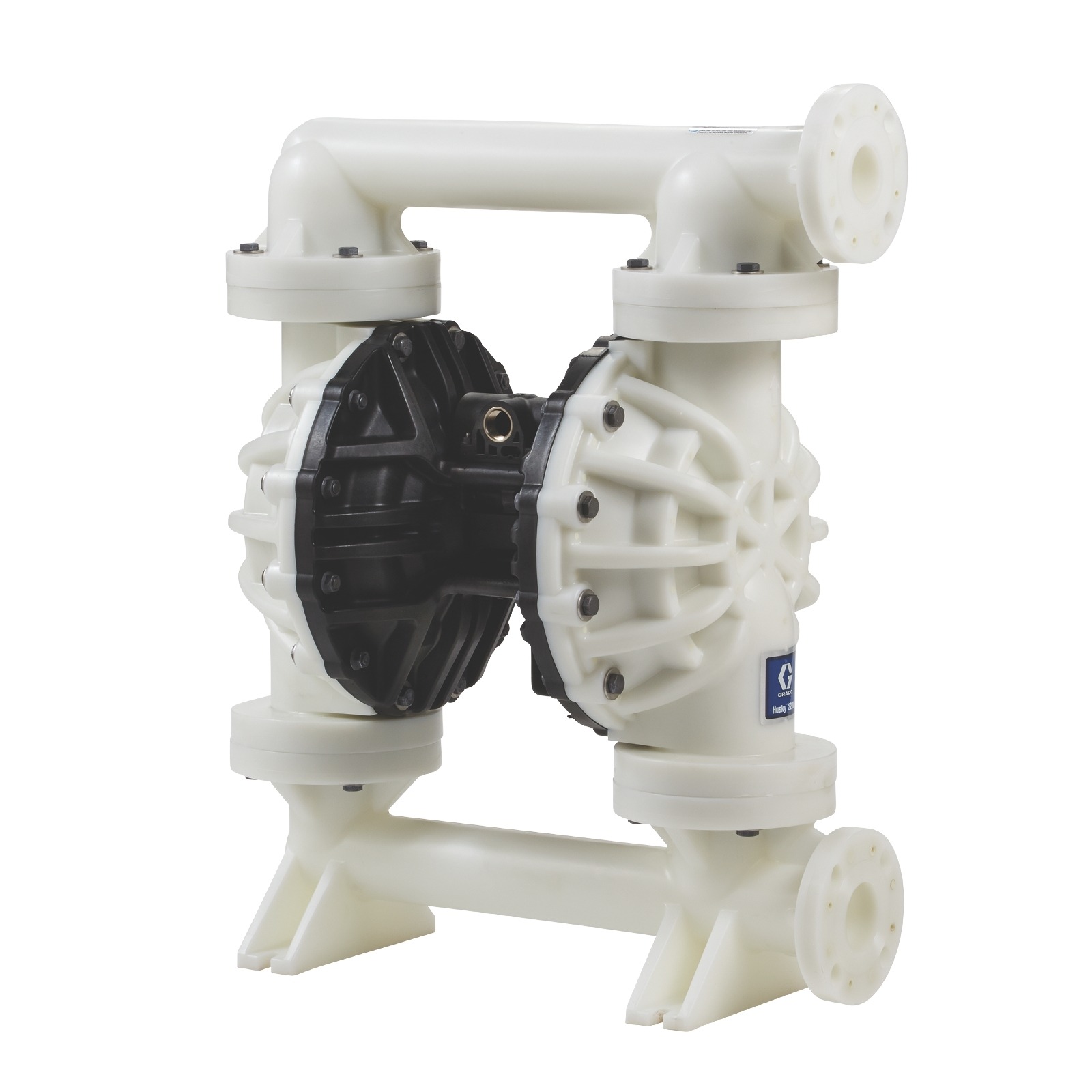
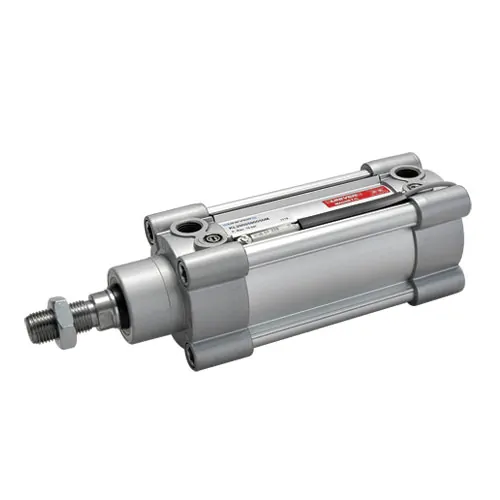
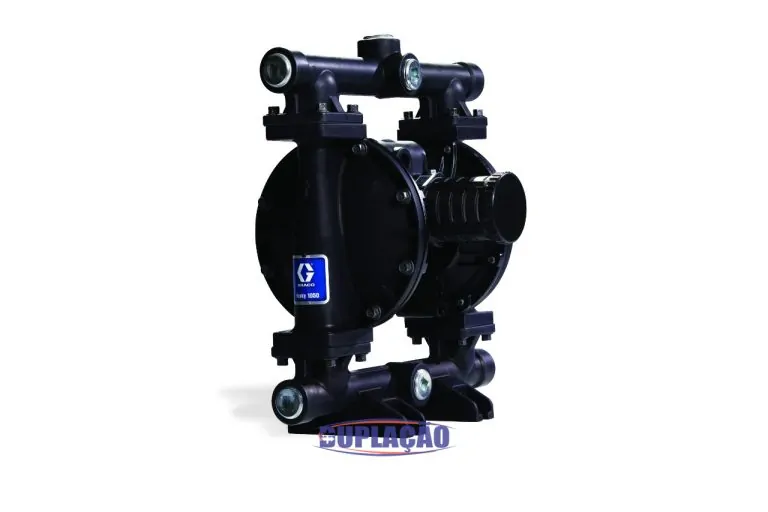
To increase the Diaphragm Life and bomba, it is essential to carry out regular inspections, choose high-quality materials and operate within specified limits. Proper maintenance and continuous monitoring are also essential to ensure efficiency and avoid failures.
How to increase pump diaphragm life is a common question among professionals who want to maximize the efficiency and durability of their pumps. In the world of heavy machinery or even in industrial atmospheres, the diaphragm is one of the critical components that ensures proper functioning. Taking care of this part can prevent failures and reduce unnecessary costs. In this article, we will discuss effective strategies and best practices for extending pump diaphragm life.
Importance of Pump Diaphragm
The pump diaphragm plays a crucial role in the efficient operation of pneumatic and hydraulic systems. It is responsible for separating fluids and ensuring that pressure is maintained properly., avoiding leaks and system failures. The importance of the diaphragm cannot be underestimated, as its integrity directly affects pump performance.
Function of the Diaphragm
The diaphragm acts as a sealing element, allowing the pump to function effectively. It expands and contracts, creating a movement that drives fluid through the system. This action is essential for the operation of diaphragm pumps, which are widely used in various industries, such as chemicals and food.
Impact on Pump Efficiency
A diaphragm in good condition contributes to the overall efficiency of the pump. When the diaphragm is worn or damaged, the pump may experience a loss of pressure, resulting in lower performance. Therefore, regular maintenance and diaphragm replacement are best practices to ensure equipment longevity and effectiveness.
Consequences of a Damaged Diaphragm
A damaged diaphragm can lead to a range of problems, including fluid leaks, product contamination and even catastrophic system failures. This not only compromises operation, but can also result in high repair costs and downtime. Therefore, it is vital to monitor the condition of the diaphragm and carry out preventive maintenance.
Factors Affecting the Service Life of the Diaphragm
The useful life of the pump diaphragm is influenced by several factors that can compromise its performance and durability. Understanding these factors is essential to ensure equipment efficiency and avoid additional costs with frequent maintenance and replacements.
Material do Diafragma
The material used to manufacture the diaphragm is one of the main factors that affect its useful life. High-quality materials, such as resilient elastomers and polymers, tend to offer greater durability and resistance to chemicals. On the other hand, inferior materials can wear out quickly, resulting in failure.
Operating Conditions
The conditions under which the pump operates also play a crucial role. Extreme temperatures, high pressures and the presence of contaminants can accelerate diaphragm wear. It is important to monitor these conditions and adjust operating parameters to extend component life.
Frequency of Use
The frequency with which the pump is used directly impacts the useful life of the diaphragm. Continuous operations or intense work cycles can lead to faster wear. Implementing rest periods and preventative maintenance can help mitigate this effect and increase diaphragm durability.
Maintenance and Inspection
Regular maintenance and inspection of the diaphragm is critical to identifying problems before they become critical. Periodic checks can detect wear, cracks or damage which, if left untreated, could result in failure. Adopting a proactive maintenance plan is essential to maximizing diaphragm life.
Methods for Diaphragm Maintenance
Proper maintenance of the pump diaphragm is essential to ensure its longevity and efficiency. There are several methods that can be adopted to keep the diaphragm in optimal condition., preventing failures and extending its useful life.
Regular inspection
Carrying out regular inspections is essential to identify wear or damage to the diaphragm. Visually check the component for cracks, cracks or signs of wear. The inspection should be part of the preventative maintenance schedule.
Proper cleaning
The diaphragm must be cleaned using suitable products that do not damage the material. Removing debris and contaminants helps prevent corrosion and extends component life. Use soft cloths and cleaning solutions recommended by the manufacturer.
Proactive Replacement
Replacing the diaphragm before it fails is a best practice. Based on frequency of use and operating conditions, establish a replacement schedule. This helps avoid unexpected downtime and high repair costs.
Team training
Training the team responsible for maintenance is crucial. Training should include practices in handling, installing and maintaining the diaphragm. Well-trained staff can quickly identify problems and perform effective maintenance, ensuring continued pump operation.
Best Practices to Increase Durability
To increase the durability of the pump diaphragm, it is essential to adopt best practices that ensure its efficient operation and extend its useful life. These practices help prevent failures and reduce maintenance costs.
Choosing the Suitable Material
Selecting a diaphragm made from high-quality materials is critical. Materials such as nitrile, EPDM or Viton are known for their resistance to chemicals and extreme temperatures. The correct choice of material can make a big difference in the durability of the diaphragm.
Operation Within Specified Limits
It is crucial to operate the pump within the pressure and temperature limits specified by the manufacturer. Exceeding these limits can cause excessive stress on the diaphragm, leading to premature wear. Always consult the user manual to ensure operation is within specifications.
Continuous Monitoring
Implementing a continuous monitoring system can help identify problems before they become critical. Pressure and temperature sensors can provide real-time data, allowing for immediate adjustments and preventing damage to the diaphragm.
Maintenance Team Training
Empowering maintenance staff to perform regular inspections and maintenance is vital. Well-trained personnel can identify signs of wear and carry out the necessary interventions effectively, ensuring that the diaphragm remains in good condition.
Conclusion: Increasing Pump Diaphragm Life
Maintaining the useful life of the pump diaphragm is essential to ensure the efficiency and reliability of the equipment. By adopting best practices, such as choosing appropriate materials and operating within specified limits, you can avoid failures and reduce maintenance costs.
Furthermore, continuous monitoring and training of maintenance staff are essential to identify problems early and carry out effective interventions. With these strategies, you not only extend diaphragm life, but also ensure optimized pump performance.
Therefore, invest in proper maintenance and best practices to ensure your system operates efficiently and reliably for longer.
FAQ – Frequently Asked Questions About Pump Diaphragm Maintenance
What is the importance of the diaphragm in the pump?
The diaphragm is crucial for separating fluids and maintaining adequate pressure, ensuring the pump operates efficiently.
How can I increase the life of the pump diaphragm?
Adotar práticas como inspeções regulares, limpeza adequada e escolha de materiais de alta qualidade são essenciais para prolongar a vida útil do diafragma.
What factors affect diaphragm durability?
Factors such as diaphragm material, operating conditions, frequency of use and maintenance directly impact its durability.
How often should I inspect the pump diaphragm?
It is recommended to carry out regular inspections, at least every three months, or more frequently if the pump operates in severe conditions.
What to do if the diaphragm shows signs of wear?
If there are signs of wear, it is important to replace the diaphragm immediately to prevent failure and damage to the system.
How can staff be trained for diaphragm maintenance?
Providing regular training on diaphragm handling, installation and maintenance helps ensure that staff are prepared to identify and resolve problems.