Pneumatic pumps are essential in the oil and gas industry, offering safety, energy efficiency and versatility. They are used in the transport of fluids, injection of chemicals and maintenance of systems, with adequate maintenance ensuring optimal performance.
As pneumatic pumps play a crucial role in oil and gas industry, providing efficiency and safety in the movement of fluids. If you are curious about how these gadgets work and what their advantages are, this article is for you. Let's delve deeper into what pneumatic pumps are, their applications and the importance of proper maintenance.
What are pneumatic pumps?
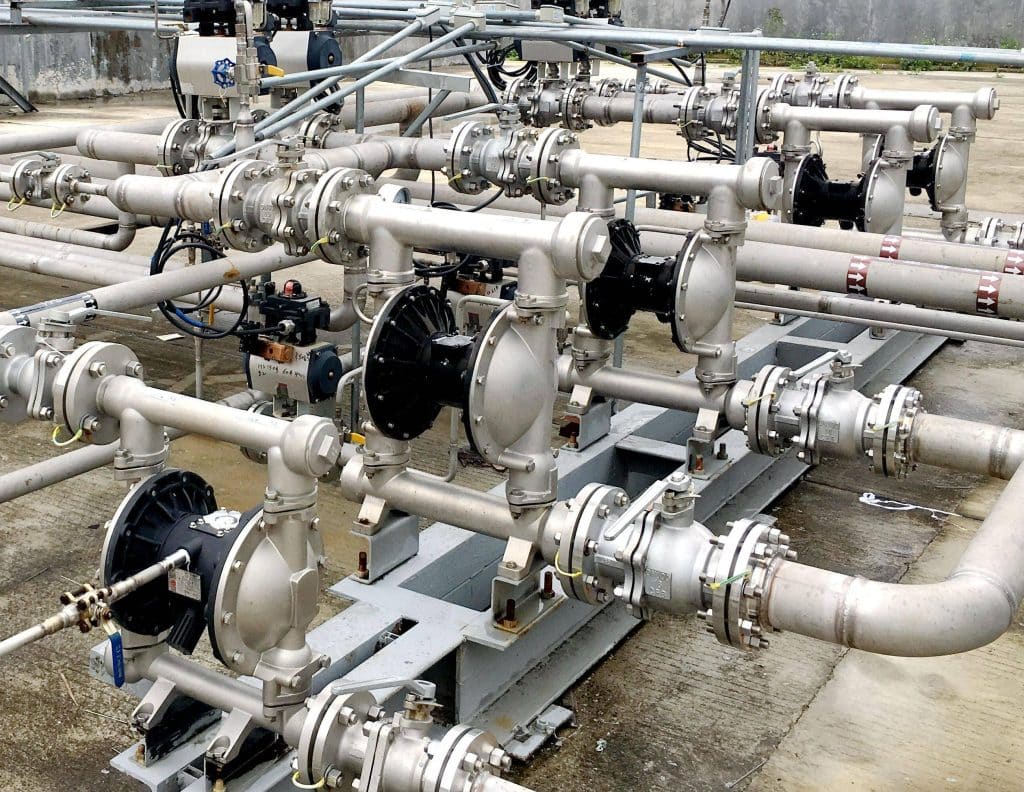
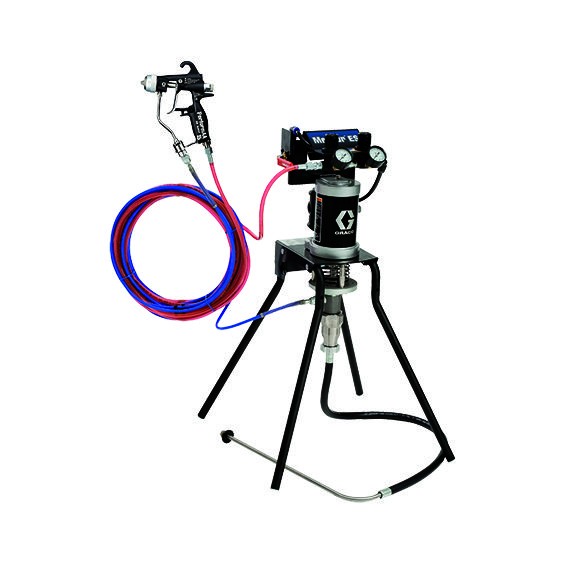
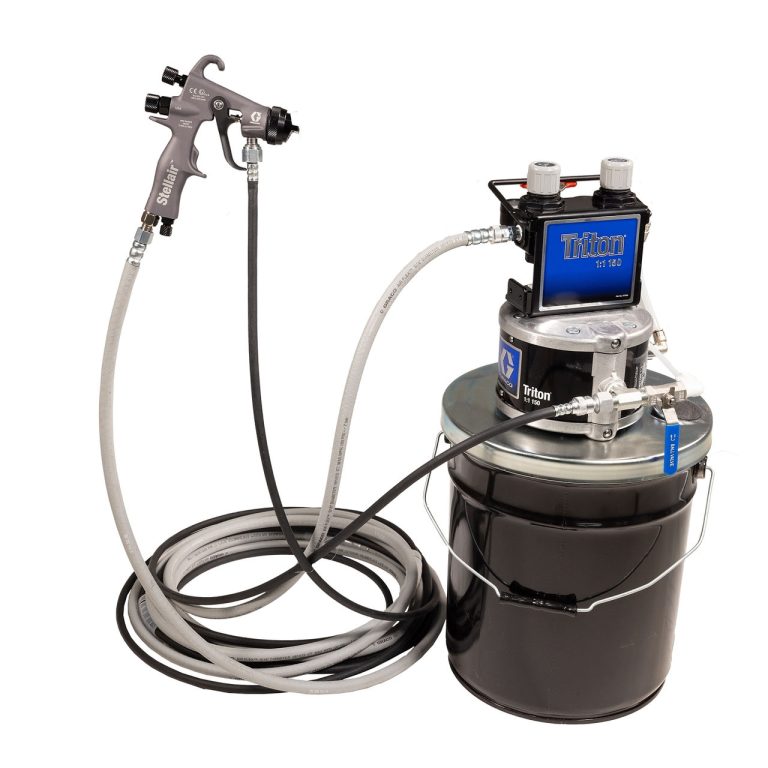
As pneumatic pumps are devices that use compressed air to move fluids. They are widely used in various industries, including oil and gas, due to their efficiency and reliability. The operation of these pumps is based on the principle of displacement, where compressed air creates pressure that pushes the fluid through the system.
How pneumatic pumps work
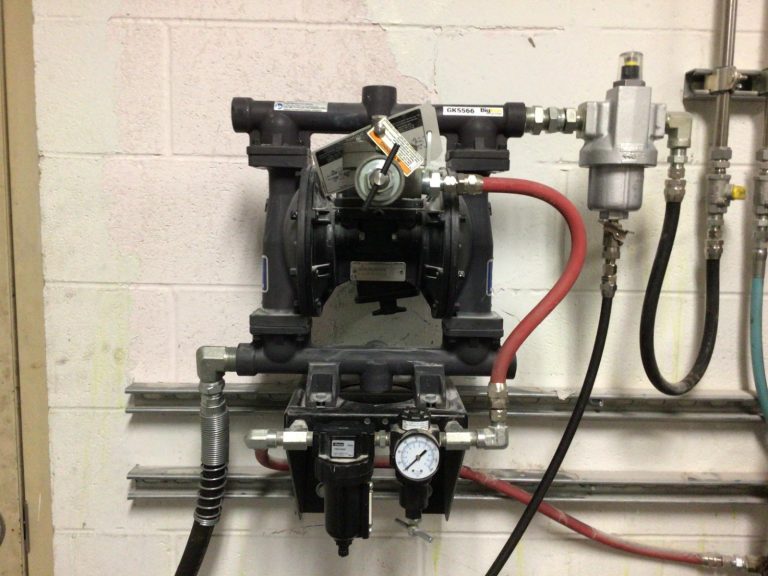
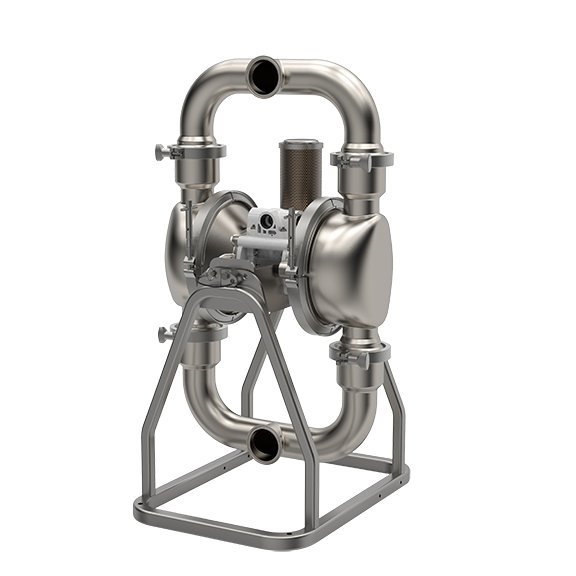
These pumps operate through a compression and decompression cycle. When compressed air enters the chamber bomba, it pushes a diaphragm or piston, which in turn moves the fluid. This process is continuous, allowing constant and controlled movement of the liquid.
Types of Pneumatic Pumps
There are different types of pneumatic pumps, such as diaphragm pumps and piston pumps. Diaphragm pumps are known for their ability to handle viscous and abrasive fluids, while piston pumps are better suited for applications that require high pressure.
Advantages of pneumatic pumps
One of the main advantages of pneumatic pumps is their ability to operate in hazardous environments where electricity can pose a risk. Additionally, they are easy to maintain and offer a long service life, making them an economical choice for many industrial applications.
Advantages of pneumatic pumps in industry
As pneumatic pumps offer several advantages in oil and gas industry, making it a popular choice for moving fluids. One of the main advantages is its ability to operate in hazardous environments where electricity can pose a significant risk. This makes them ideal for locations at risk of explosions.
Energy efficiency
Pneumatic pumps are known for their energy efficiency. They use compressed air, which can be generated economically, reducing operating costs. Furthermore, maintenance of these pumps is generally simple and less costly, contributing to the overall efficiency of the system.
Versatility
These pumps are extremely versatile and can handle a wide range of fluids, including viscous and abrasive liquids. This makes them suitable for various applications within industry, from transporting oil to moving chemicals.
Ease of maintenance
Maintenance of pneumatic pumps is generally easier compared to other types of pumps. Most models have fewer moving parts, which reduces wear and tear and the need for frequent repairs. This results in fewer unscheduled stops and greater productivity.
Applications of pneumatic pumps in the oil and gas sector
As pneumatic pumps play a vital role in oil and gas sector, being used in various applications that require efficiency and safety. One of the main uses is in fluid transport, where the ability to handle viscous and abrasive liquids is essential.
Transportation of Oil and Derivatives
Pneumatic pumps are frequently used to transport crude oil and its derivatives. They ensure that the fluid is moved in a continuous and controlled manner, minimizing the risk of leaks and guaranteeing the integrity of the product during transport.
Chemical Injection
Another important application is in the injection of chemical products, such as additives and treatment agents. Pneumatic pumps allow precise dosing of these products, which is crucial for the efficiency of oil refining and treatment processes.
Tank Unloading
Pneumatic pumps are also used to unload storage tanks. They facilitate the quick and safe movement of fluids, reducing downtime and increasing operational efficiency.
Maintenance of Pressure Systems
Furthermore, these pumps are essential for maintaining pressure systems in oil and gas installations. They help regulate pressure in pipes and tanks, ensuring systems operate within safe parameters.
Maintenance and care of pneumatic pumps
A maintenance adequate of pneumatic pumps It is essential to guarantee its performance and extend its useful life. Below are some recommended practices for maintaining and caring for these pumps.
Regular inspections
Carrying out regular inspections is essential. Check for leaks, wear on parts and the general condition of the pump. Inspecting frequently helps identify problems before they become serious.
Cleaning
Cleaning pneumatic pumps must be done regularly. Remove dirt and debris that may clog moving parts or affect performance. A clean pump operates more efficiently and has a lower risk of failure.
Lubrication
Lubrication of moving parts is crucial. Use manufacturer-recommended lubricants to ensure parts slide smoothly and reduce friction. This not only improves performance but also reduces wear and tear.
Replacement of parts
Pay attention to the need to replace worn parts. Components such as diaphragms and seals can deteriorate over time and must be replaced to prevent failure. Timely replacement helps keep the pump operating optimally.
Final Thoughts on Pneumatic Pumps in the Oil and Gas Industry
As pneumatic pumps are essential for efficiency and safety in oil and gas industry. They offer significant advantages, such as the ability to operate in hazardous environments and versatility in handling different fluids.
Proper maintenance of these pumps is crucial to ensure their long-term performance. Regular inspections, cleaning, lubrication and replacement of worn parts are practices that help prevent failures and maximize efficiency.
With correct use and necessary care, pneumatic pumps can significantly contribute to the productivity and safety of industrial operations.
FAQ – Frequently asked questions about pneumatic pumps in the oil and gas industry
What are the main advantages of pneumatic pumps in the oil and gas industry?
Pneumatic pumps offer safety in hazardous environments, energy efficiency and versatility in handling different fluids.
How does pneumatic pump maintenance work?
Maintenance includes regular inspections, cleaning, lubrication and replacement of worn parts to ensure optimal performance.
In what applications are pneumatic pumps used in the oil and gas sector?
They are used to transport oil, inject chemicals, unload tanks and maintain pressure systems.
How important is cleaning pneumatic pumps?
Regular cleaning prevents blockages and ensures the pump operates efficiently, reducing the risk of failure.
How does the energy efficiency of pneumatic pumps impact operating costs?
Energy efficiency reduces compressed air and maintenance costs, resulting in significant savings for industrial operations.
Can pneumatic pumps be used in dangerous environments?
Yes, pneumatic pumps are ideal for dangerous environments, as they do not use electricity, minimizing the risk of explosions.