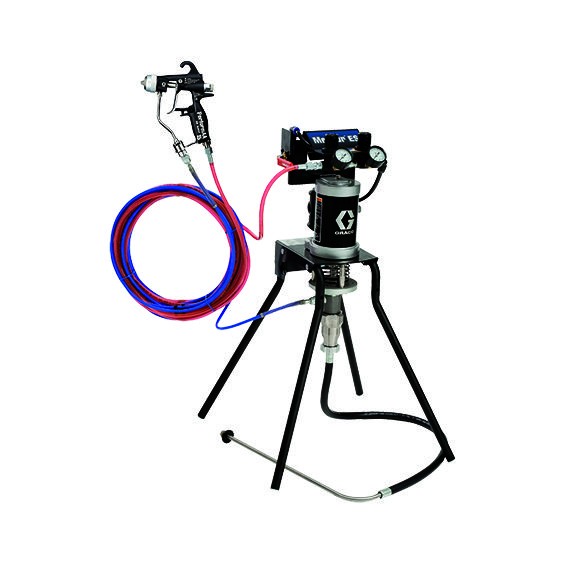
Pumps for flammable products are essential for the safe handling of dangerous liquids. Proper selection, regular maintenance and compliance with safety standards ensure worker protection and operational efficiency.
A bomba for flammable products It is a crucial tool in sectors such as the chemical and fuel industry. Ensuring safety when handling these liquids is essential to avoid accidents and guarantee the protection of workers and the environment. In this article, we will discuss the main characteristics of flammable bombs, their importance and how to choose the best option for your business.
What are bombs for flammable products?
As pumps for flammable products are devices specifically designed to transfer liquids that pose a risk of combustion, such as fuels and solvents. These pumps are essential in several industries, including petrochemicals, pharmaceuticals and painting, where the safe handling of flammable liquids is crucial.
These pumps are constructed with materials that resist corrosion and wear, ensuring safety and durability. Additionally, many of them have advanced sealing systems to prevent leaks, which could result in fires or explosions.
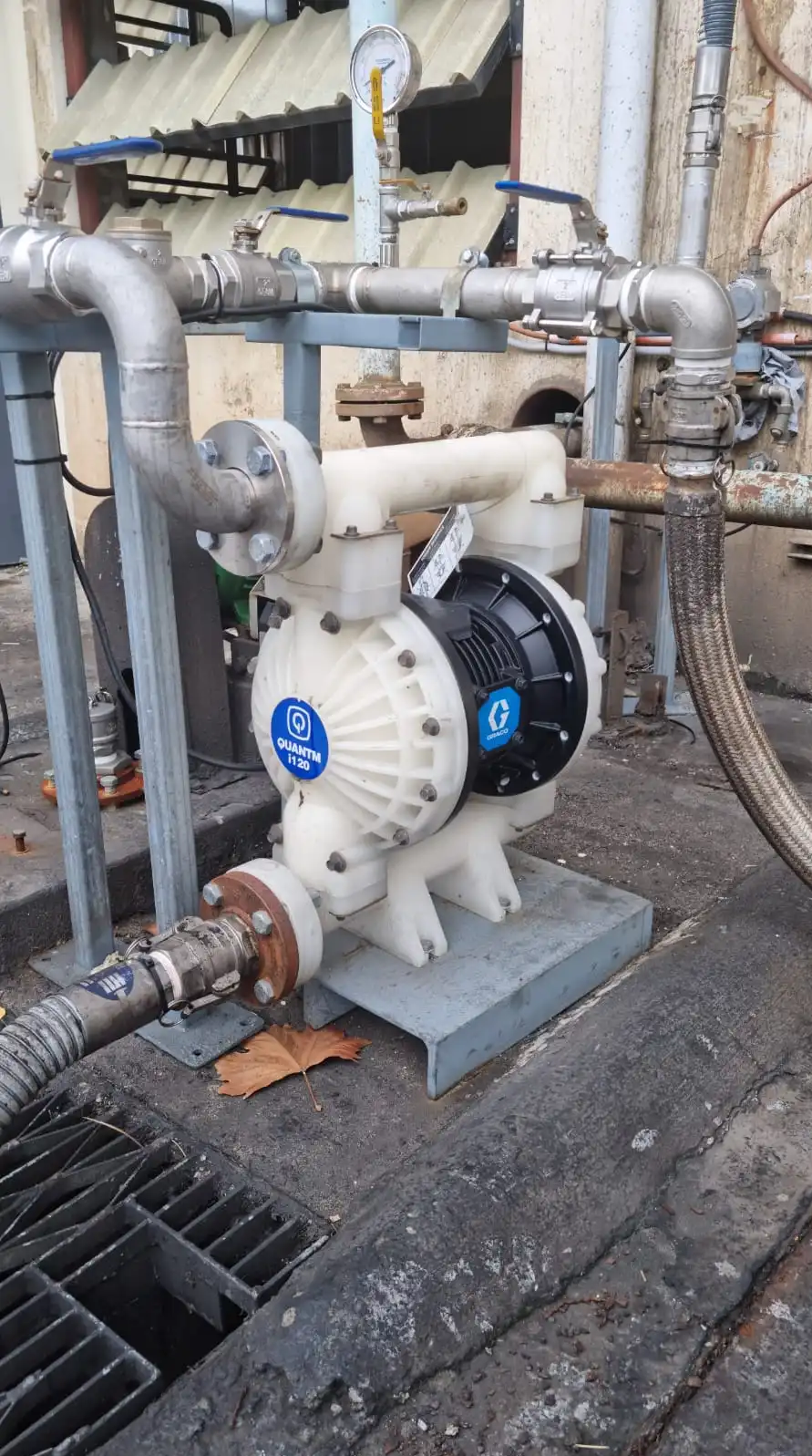
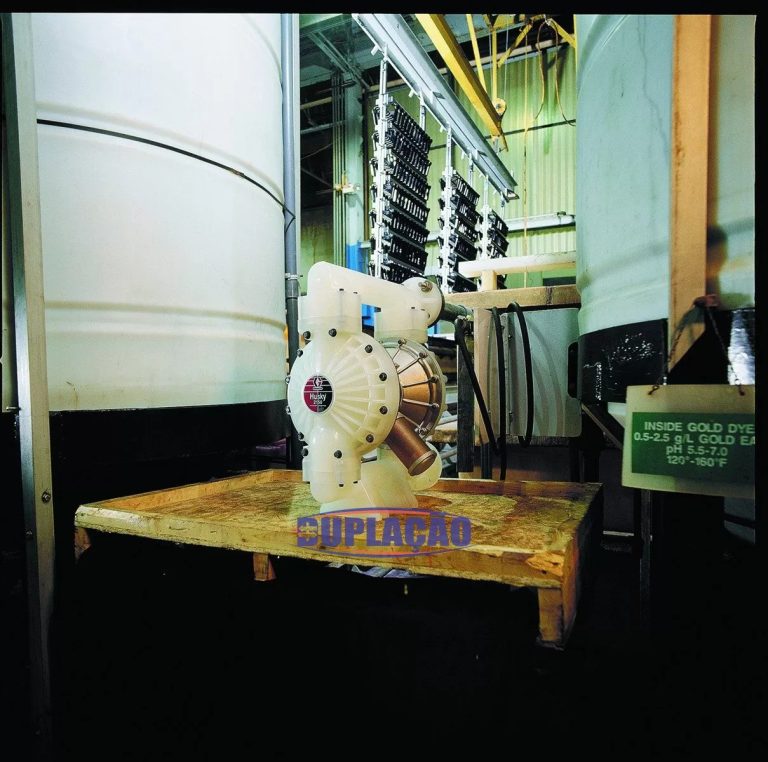
There are different types of pumps for flammable products, such as diaphragm pumps, centrifugal pumps and gear pumps. Each type has its specific characteristics and applications, and it is important to choose the appropriate pump for each situation.
The use of pumps for flammable products must follow strict safety standards, which include installation in ventilated areas and the use of personal protective equipment (PPE) by operators. Compliance with these standards is critical to ensuring a safe work environment.
Importance of the pump in work safety
A importance of the pump in work safety cannot be underestimated, especially when it comes to handling flammable products. Pumps designed for this purpose are essential to minimize risks and ensure a safe working environment.
These pumps are equipped with safety features, such as automatic shut-off systems and leak sensors, which help prevent accidents. Correct installation and regular maintenance of these pumps are essential to ensure their proper and safe operation.
Furthermore, the use of appropriate pumps reduces workers' exposure to toxic vapors and fire risks. This is especially relevant in industries where handling flammable liquids is a daily routine.
Regular training for operators on the safe use of pumps and the importance of following safety standards is essential. This ensures that all employees are aware of the correct procedures and emergency measures in case of incidents.
Therefore, investing in quality pumps and safety practices is crucial to protect the health of workers and the integrity of facilities.
How to choose the ideal pump for your business?
Choose the ideal pump for your business It is a critical decision that can impact the efficiency and safety of operations. There are several factors to consider when selecting a pump for flammable products.
Firstly, it is important to understand the type of liquid that will be handled. Different liquids have different properties, such as viscosity and temperature, which influence the type of pump needed. For example, diaphragm pumps are often used for more viscous liquids, while centrifugal pumps are suitable for less dense liquids.
Another factor to consider is pumping capacity. It is essential to choose a pump that meets the flow demands of your process. This ensures that the pump works efficiently and prevents overloads that can lead to failure.
Security must also be a priority. Check that the pump has appropriate safety certifications and is designed to operate in fire-risk environments. Features like double sealing and leak monitoring systems are highly recommended.
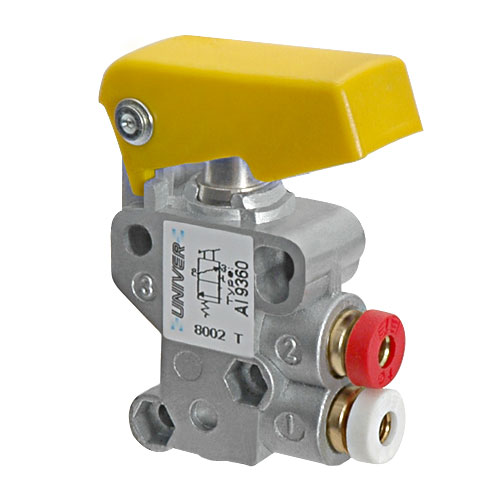
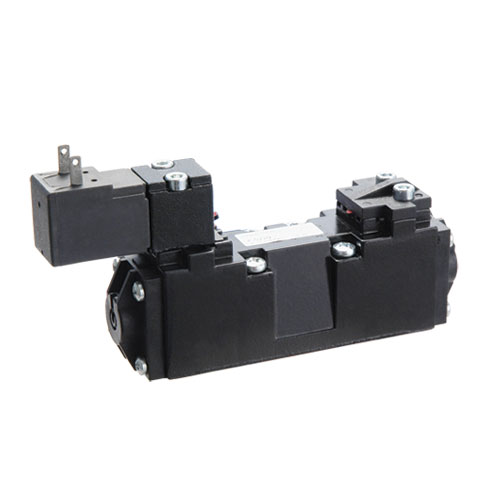
Additionally, consider available maintenance and technical support. Choosing recognized brands, such as Graco Inc. and Pneumax, can guarantee access to replacement parts and qualified technical assistance.
Maintenance and care of flammable bombs
A maintenance and care of flammable bombs are essential to ensure safety and efficiency when handling dangerous liquids. Carrying out regular inspections and preventative maintenance can prevent failures and serious accidents.
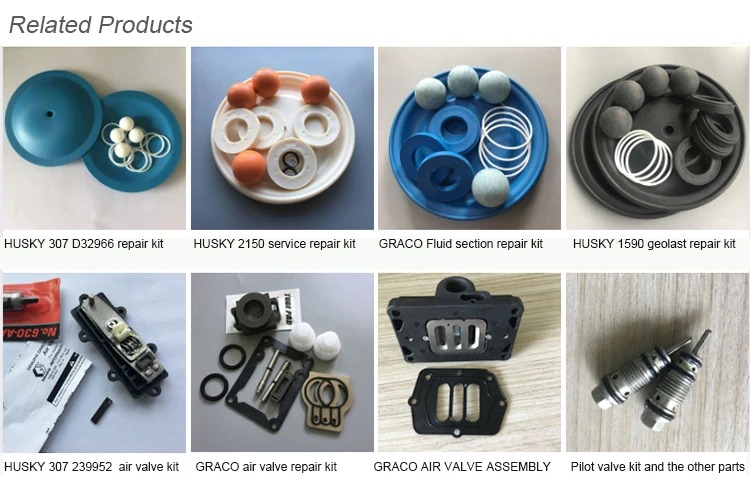
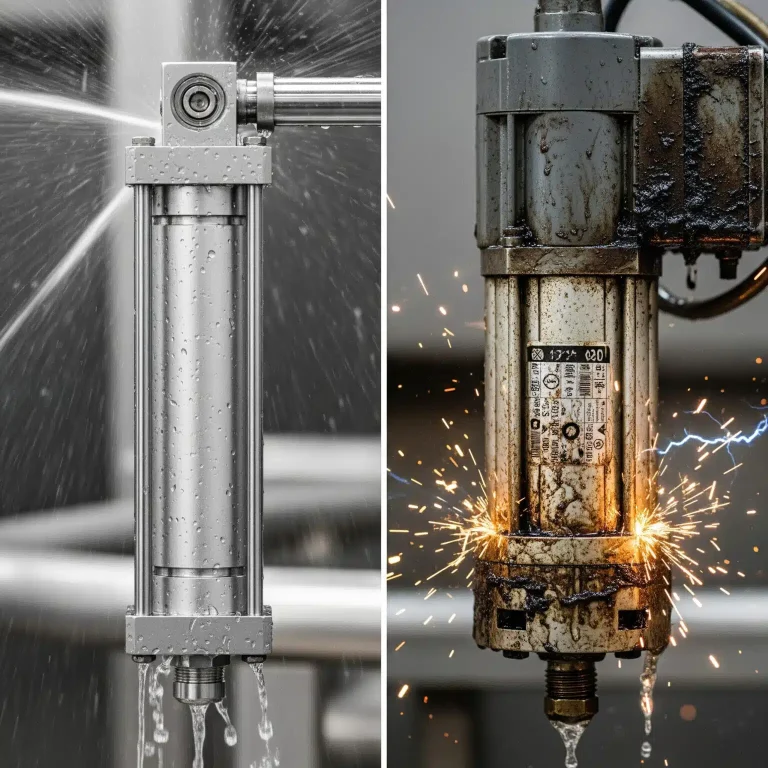
One of the first steps in maintenance is to check the pump seals and connections. Leaks can occur due to wear and tear, and it is crucial to replace them immediately to avoid fire risks. Additionally, regular cleaning of the pump and its components helps prevent corrosion and residue build-up that can affect performance.
Filters should be inspected and changed as necessary as they protect the pump from particles that can cause damage. It is recommended to follow the manufacturer's guidelines regarding the frequency of maintenance and replacement of parts.
Training for operators is also essential. They must be aware of safety procedures and best practices for operating and maintaining pumps. This includes knowing how to identify signs of wear or failure and how to act in an emergency.
Finally, keeping a detailed record of all maintenance performed and the pump's operating conditions can help identify patterns and schedule interventions before serious problems occur.
Safety standards for the use of flammable bombs
As safety standards for the use of flammable bombs are essential to guarantee the protection of workers and the integrity of facilities. Following these guidelines helps prevent accidents and minimize risks associated with handling hazardous liquids.
Firstly, it is essential that all pumps are installed in accordance with local and national regulations. This includes the use of equipment that meets the safety standards required for fire-risk environments.
Operators must be adequately trained on safety procedures and the specific characteristics of the pumps they are using. This includes knowing how to identify signs of failure and how to act in an emergency.
Furthermore, it is important to carry out regular inspections of pumps and their components. Checking seals, connections and safety systems can prevent leaks and failures that could result in fires.
The areas where the pumps are installed must be well ventilated and marked with safety warnings. The use of Personal Protective Equipment (PPE), such as gloves and protective glasses, is mandatory for all operators.
Finally, it is crucial to have an emergency plan in case of incidents. This should include clear procedures for evacuation and firefighting, as well as immediate contact with emergency services.
Importance of safety when using flammable bombs
Safe use of flammable bombs is essential to protect workers and facilities. Following safety standards and carrying out regular maintenance helps prevent accidents and ensures a safe working environment.
Choosing the right pump, training operators and maintaining an emergency plan are fundamental steps to minimizing risks. With appropriate practices, it is possible to handle flammable products efficiently and safely.
Investing in security is not only a legal obligation, but also an ethical responsibility that benefits everyone involved.
FAQ – Frequently asked questions about flammable bombs
What are the main types of pumps for flammable products?
The main types include diaphragm pumps, centrifugal pumps and gear pumps, each suitable for different liquids and applications.
How to ensure safety when using flammable bombs?
It is essential to follow safety standards, carry out regular maintenance and train operators on the correct procedures.
How important is the maintenance of flammable bombs?
Regular maintenance prevents failures and leaks, ensuring safety and efficiency in handling dangerous liquids.
What should be checked when inspecting a flammable bomb?
Seals, connections, filters and safety systems must be checked to avoid fire risks and ensure proper functioning.
How to choose the ideal pump for my business?
Consider liquid type, pumping capacity and safety standards when selecting the best pump for your needs.
What PPE is recommended when operating flammable bombs?
Recommended Personal Protective Equipment includes gloves, protective glasses and, in some cases, fire-resistant clothing.