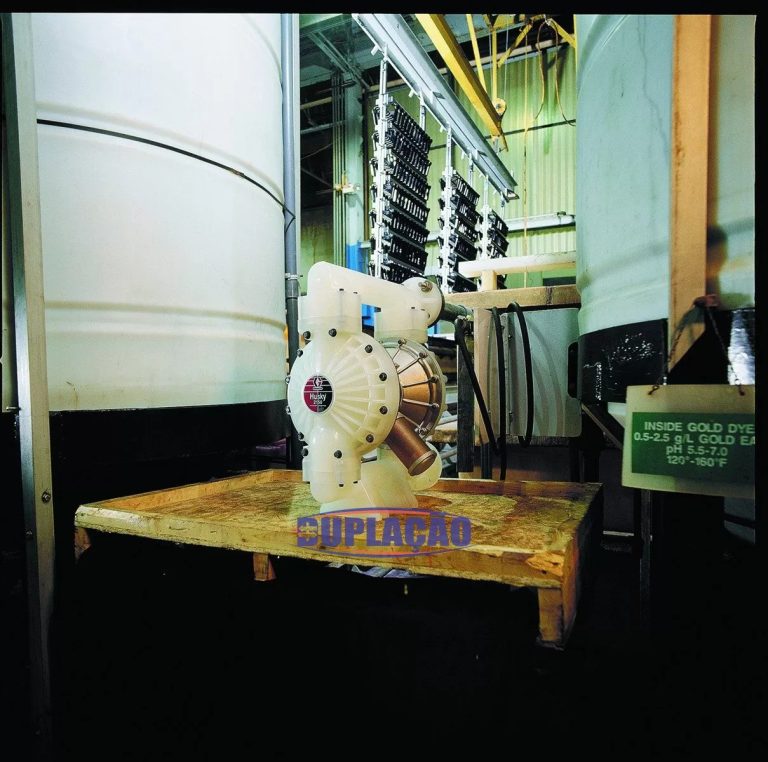
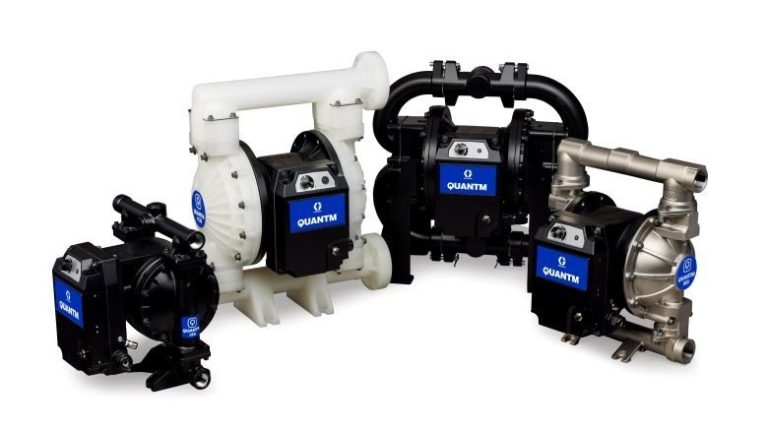
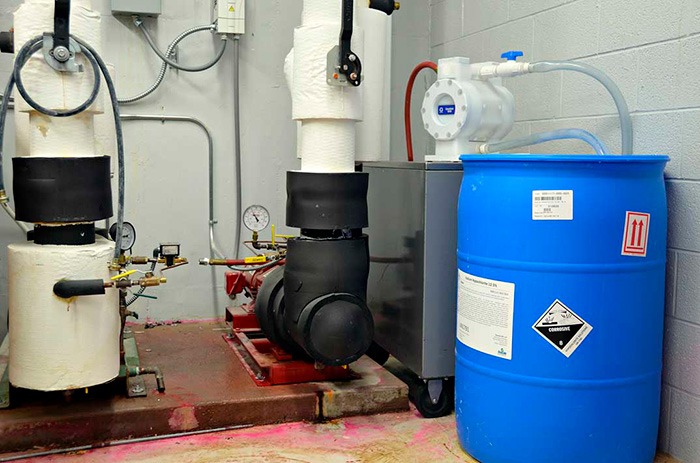
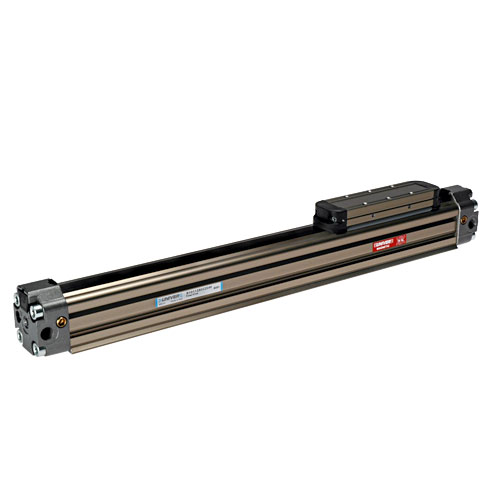
Preventative pump maintenance management is crucial to increasing operational efficiency, reducing costs and extending the useful life of equipment. Implementing a structured plan and avoiding common mistakes ensures a safe and productive work environment.
A preventive maintenance management pumps It is essential to optimize the performance and increase the durability of your equipment. With increasing operating costs and the need to maintain efficiency, it is imperative to take a strategic approach to maintenance. In this article, we'll explore the importance of management, how to implement an effective plan, and the tools available to ensure your pumps always operate at their best.
Importance of Preventive Maintenance Management
A preventive maintenance management is crucial to ensuring the efficiency and longevity of industrial pumps. By implementing a preventive maintenance plan, companies can avoid unexpected failures and reduce operating costs. This translates into increased productivity and the minimization of unscheduled downtime.
Cost reduction
With preventative maintenance, problems are identified and corrected before they become serious failures. This helps avoid costly repairs and the need to replace equipment, resulting in significant long-term savings.
Increased Reliability
Well-maintained equipment is more reliable. Preventive maintenance management ensures that pumps operate in optimal conditions, reducing the risk of failures and improving operators and managers' confidence in operating equipment.
Work Safety
Keeping pumps in good condition is also a safety issue. Regular maintenance helps identify potential risks, ensuring a safer working environment for all employees.
Performance Improvement
Pumps that receive preventative maintenance regularly tend to operate more efficiently. This means they consume less energy and offer superior performance, contributing to the company's sustainability and energy efficiency.
Compliance with Standards
Preventative maintenance management helps companies stay compliant with industry standards and regulations. This is especially important in industries where safety and efficiency are regulated by specific laws and guidelines.
How to Implement a Maintenance Plan
Implement a maintenance plan Effective operation for pumps is essential to ensure the continuous and efficient operation of equipment. Below are practical steps for developing a maintenance plan that meets your company's needs.
1. Initial Assessment
The first step is to carry out a detailed assessment of existing pumps. Identify the type of bomba, its specifications and maintenance history. This will help you understand the specific needs of each piece of equipment.
2. Definition of Maintenance Frequency
Based on the initial assessment, define the maintenance frequency for each pump. This may vary depending on usage, operating conditions and manufacturer recommendations. A regular schedule helps prevent failures.
3. Team Training
It is essential that the team responsible for maintenance is well trained. Provide training on maintenance procedures, safety and proper use of tools. A well-informed team is crucial to the effectiveness of the plan.
4. Logging and Monitoring
Keep detailed records of all maintenance activities performed. This includes dates, types of services performed and any issues identified. Continuous monitoring allows for adjustments to the plan as needed.
5. Review and Adjustments
Periodically review the maintenance plan to ensure it continues to meet your company's needs. Adjustments may be necessary based on new information, changes in operations, or feedback from staff.
Tools and Technologies for Maintenance Management
For effective maintenance management, it is essential to use tools and technologies that facilitate monitoring and execution of activities. Below, we present some of the main tools that can be used in pump maintenance management.
1. Maintenance Management Software (CMMS)
A computerized maintenance management system (CMMS) is essential for organizing and automating maintenance tasks. It allows scheduling services, recording activities and generating reports, facilitating decision making.
2. Sensors and Remote Monitoring
Remote monitoring sensors are valuable tools that allow you to monitor pump performance in real time. These devices can detect vibrations, temperature and pressure, alerting staff to potential failures before they occur.
3. Mobile Applications
Mobile maintenance apps allow technicians to access information and updates in the field. This improves communication and efficiency as professionals can log activities and receive notifications instantly.
4. Data Analysis and Reporting
Data analysis is crucial for identifying patterns and trends in maintenance operations. Analysis tools can help predict failures and optimize the maintenance schedule, ensuring pumps operate efficiently.
5. Virtual Training and Simulations
Using augmented reality technologies and virtual simulations can be an excellent way to train maintenance staff. These tools allow technicians to practice procedures in a safe environment, improving their skills and knowledge.
Benefits of Preventive Maintenance
A preventive maintenance offers a number of significant benefits for the operation of industrial pumps. Below, we highlight the main benefits that this approach can bring to your company.
1. Cost Reduction
One of the main benefits of preventive maintenance is cost reduction. By performing regular maintenance, you can avoid serious failures that require expensive repairs or equipment replacements. This results in significant savings over time.
2. Increased Useful Life of Equipment
With preventive maintenance, pumps are kept in ideal operating conditions. This not only improves performance, but also extends the life of equipment, allowing the company to maximize its investment.
3. Improvement in Operational Efficiency
Well-maintained pumps operate more efficiently, consuming less energy and reducing waste. This contributes to a more sustainable and economical operation, benefiting both the company and the environment.
4. Increased Reliability
Preventative maintenance increases pump reliability. With fewer unexpected failures, staff can operate with more confidence, knowing equipment is in good condition and ready to use.
5. Workplace Safety
Keeping pumps in good condition is also a safety issue. Regular maintenance helps identify and correct problems before they become dangerous, ensuring a safer working environment for all employees.
Common Mistakes in Maintenance Management
In maintenance management, avoiding common errors is essential to ensure the efficiency and effectiveness of operations. Below, we list some of the most frequent errors that can compromise pump maintenance.
1. Lack of Planning
One of the main mistakes is the absence of a structured maintenance plan. Without adequate planning, maintenance activities can be carried out randomly, resulting in undetected failures and high costs.
2. Ignore Maintenance History
Disregarding the pump maintenance history is a critical error. This history provides valuable information about performance and recurring issues, helping you identify patterns and predict future failures.
3. Not Training the Team
Lack of adequate training for maintenance staff can lead to operational errors. It is essential that technicians are well informed about the correct procedures and best practices to ensure safety and efficiency.
4. Neglecting Preventive Maintenance
Ignoring the importance of preventive maintenance is a common mistake that can result in unexpected failures. Regular maintenance is essential to keep pumps in good condition and avoid unscheduled downtime.
5. Not Using Appropriate Technology
Not taking advantage of modern tools and technologies for maintenance management can limit the efficiency of operations. Maintenance management systems and monitoring sensors are resources that can make work easier and improve results.
In summary, the importance of preventive maintenance management
Preventative maintenance management is essential to guarantee the efficiency and longevity of industrial pumps. By implementing a structured plan, companies can reduce costs, increase reliability and improve workplace safety.
It is essential to avoid common mistakes, such as lack of planning and neglect of preventative maintenance, to maximize the benefits of this approach. Using appropriate tools and technologies is also crucial to optimizing operations.
With effective maintenance management, your company can operate more efficiently and sustainably, ensuring superior performance and a safe working environment.
FAQ – Frequently asked questions about pump preventive maintenance management
What are the main benefits of preventative maintenance?
Preventative maintenance reduces costs, increases the useful life of equipment, improves operational efficiency and ensures a safer working environment.
How can I implement a preventative maintenance plan?
To implement a plan, start with an initial assessment of pumps, define maintenance frequency, train staff, and keep detailed records.
What tools are recommended for maintenance management?
Tools such as maintenance management software (CMMS), remote monitoring sensors, and mobile apps are highly recommended.
What common mistakes should I avoid in maintenance management?
Avoid lack of planning, ignoring maintenance history, not training staff and neglecting preventive maintenance.
How can technology help with preventive maintenance?
Technology, such as sensors and management software, allows you to monitor performance in real time and automate tasks, improving efficiency.
How important is team training in preventative maintenance?
Training is crucial to ensure that staff know how to perform maintenance correctly, increasing the safety and effectiveness of operations.