A bomba Diaphragm pneumatics are one of the most efficient equipment for those looking for safe pumping. Due to their high versatility, they can be applied in various operations, and have simple and intuitive functionality. And most importantly: superior performance among positive displacement pumps available on the market.
In order for it to deliver all its benefits for as long as possible, it is very important that owners know how to solve the main problems that they may present. We've put together the top five and their respective solutions here, check it out!
1. Chemical compatibility
When purchasing a pneumatic diaphragm pump, one of the most important aspects to be evaluated is the chemical compatibility of the pump with the material that will be transferred. Remembering that this compatibility does not only refer to the pump's material, but also to the elastomers and castings.
Knowing whether the materials are compatible is essential to ensure greater safety in your operation:
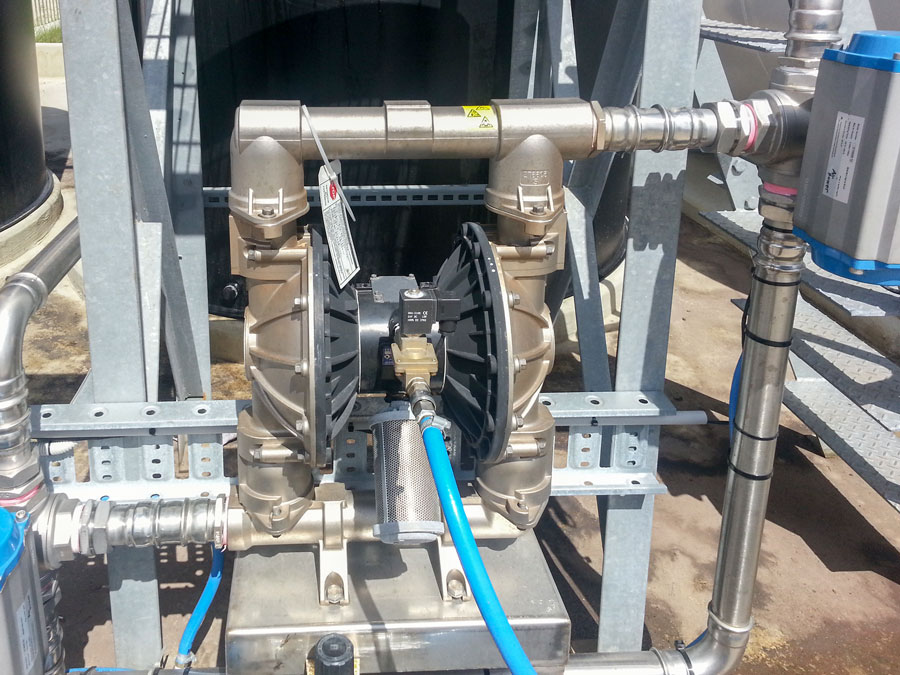
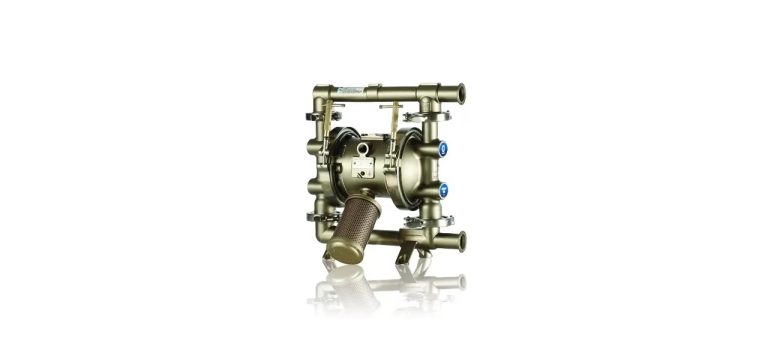
Metal pumps: robust and resistant, metal pumps are ideal for moving pastes and abrasive fluids. They are also very suitable for operations in an open environment, due to their high resistance to the sun.
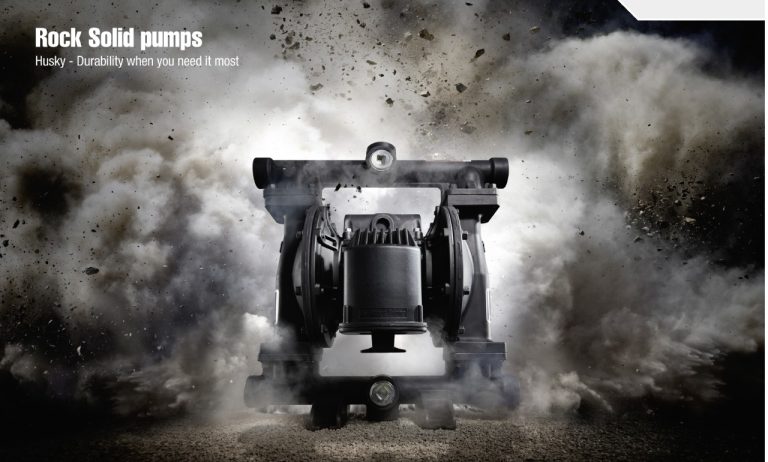
Plastic pumps: these pumps are also robust and lighter than metal pumps, and can be used to transport various materials.
2. Fluid temperature
To the Choose the pneumatic diaphragm pump For its operation, it is very important to consider the temperature of the fluid that will be transported. These pumps can handle a wide range of temperatures, but are generally limited to 104ºC. Therefore, it is important to choose a material that can withstand operation without damaging the pump structure.
In the case of operations at lower temperatures, the flexibility of the diaphragm may be compromised, and at higher temperatures, the pump may present cracks, wear, swelling, corrosion, among others.
For this reason, check in advance what the temperature of the fluids transported will be and what material is ideal for your needs. The ideal pump is:
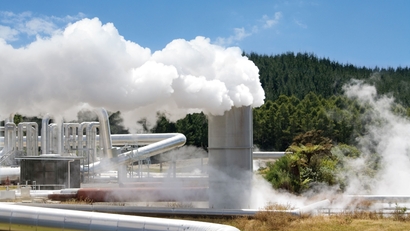
High temperatures: stainless steel or aluminum pumps (FKM, EPDM, PTFE or PVDF);
Low temperatures: stainless steel or aluminum pumps (EPDM, FKM or Santoprene).
3. Right sizing
This is another extremely relevant factor for those looking for a pneumatic diaphragm pump in their maximum performance. It is necessary to consider the pressure and flow rate of the pump for best performance.
Through the pump's flow rate, it is possible to determine whether it is working according to expected performance and know which pump is ideal for your application. With flows of up to gpm, pneumatic diaphragm pumps can have their performance adjusted through discharge height or air pressure. For larger flow rates, it will be necessary to choose a pump with a larger constitution.
The size of the ports must also be considered to ensure greater efficiency and longevity for your pump.
4. Incorrect pump torque
Depending on the type of fluid transported, a leak can pose a major risk to your operation. It is natural that over time and with the use of the pump, some components may show wear or some relaxation.
For this reason, whenever it is necessary to replace components, or when using a new pump, check all tightness and adjustments to prevent leaks.
5. Lack of training
Although pneumatic diaphragm pumps are easy to use, it is very important that operators understand how it works to ensure the excellent performance it can offer. Therefore, before installation, it is important to read the manuals to ensure that it is installed safely and quickly. Furthermore, it is important to maintain contact with the manufacturer to ensure assistance whenever necessary.