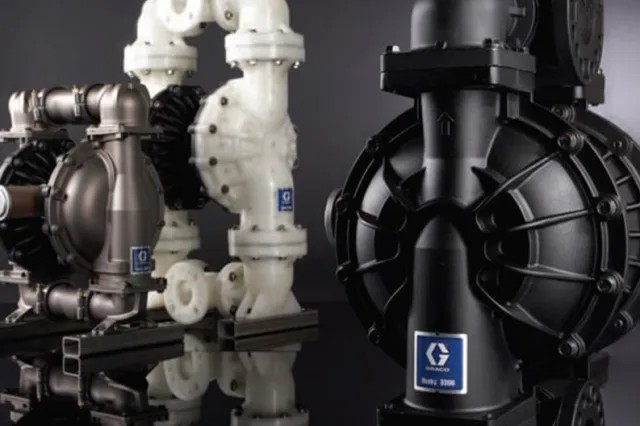
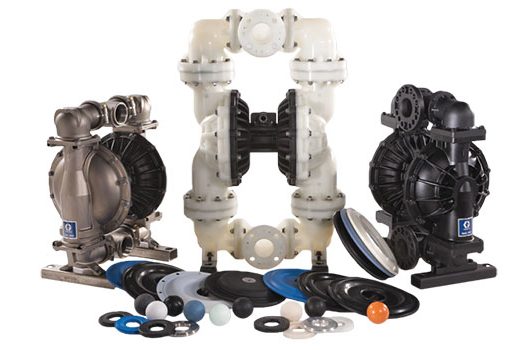
Within the industry, the bomba Diaphragm pneumatics is one of the most flexible and efficient equipment for transporting fluids, regardless of the sector. To guarantee the expected results, it is essential to have the correct pump, both in terms of its sizing and its chemical compatibility with the material being conveyed.
There are currently several types of positive displacement pump, and using the correct pump can make all the difference, especially for those looking for more reliable operation, with less downtime.
The pneumatic diaphragm pump uses compressed air to operate without the need for electricity or sophisticated controls. This pump can be applied in the industry to displace various types of products, ensuring efficiency and safety, representing excellent cost-effectiveness.
In addition to high efficiency, pneumatic diaphragm pumps can deliver safe transfer without shear. In other words, in conducting delicate fluids, the pump can transport without damaging the product.
Where can diaphragm pneumatic pumps be applied?
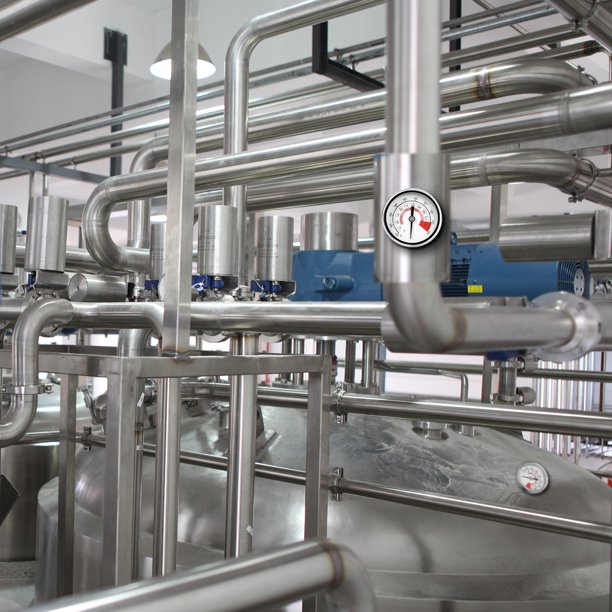
Due to its high versatility, pneumatic pumps can be applied in various sectors of the industry, such as:
• Automotive;
• Ceramics;
• Chemical;
• Construction;
• Alimony and drinks;
• Navy;
• Mining;
• Oil and gas;
• Paints and coatings;
• Pharmaceutical;
• Water and wastewater;
• And much more.
This equipment is able to handle fluids safely and agility. In addition, pneumatic diaphragm pumps also ensure numerous advantages for companies.
• They may work dry without risk of damaging the pump or system as a whole;
• It can pump fluids loaded with solid particles without damage;
• They are self -scopeful bombs and can work on suction lifting applications;
• Deadhead safely;
• They are shear sensitive, which means they do not cut or separate the product being transported;
• does not require electricity to operate and can be fully grounded;
• presents a low initial purchase price compared to other positive displacement pumps, being an excellent alternative for industries of all sizes;
• They can be grounded and submersible, providing more security (especially in hazardous fluid operations).