Diaphragm pumps are versatile and efficient devices, widely used in industries such as chemical, food and mining. They are ideal for pumping corrosive and viscous fluids, offering advantages such as low maintenance and high energy efficiency.
As Main applications of pumps diaphragm in industry are impressive and essential to operational efficiency. These pumps are known for their versatility and reliability and are widely used in various sectors. In this article, we will explore its main advantages and the sectors that benefit most from this innovative technology.
What are diaphragm pumps?
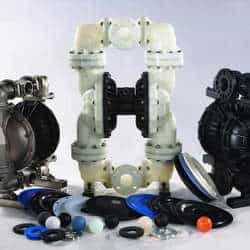
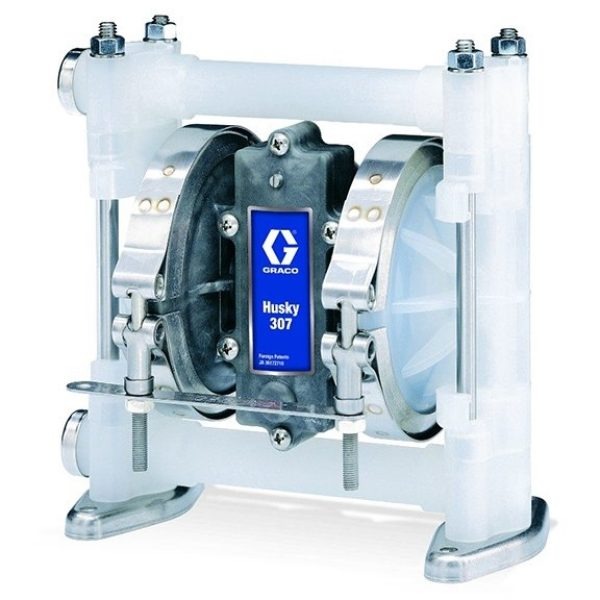
As diaphragm pumps are pumping devices that use a flexible diaphragm to move fluids. This type of bomba It is widely used in industry due to its ability to handle a variety of liquids, including those that are corrosive or viscous. The operation of diaphragm pumps is based on a simple principle: the diaphragm moves up and down, creating pressure that sucks liquid into the pump and then pushes it out.
How Diaphragm Pumps Work
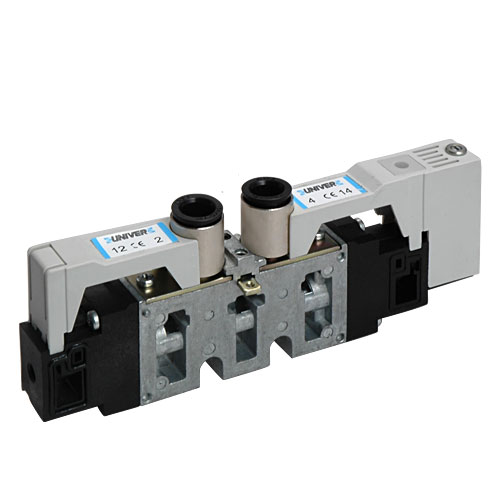
The operating mechanism of diaphragm pumps involves alternating movement of the diaphragm, which is driven by a pneumatic or hydraulic system. When the diaphragm moves down, it creates a vacuum that draws fluid into the pump chamber. When the diaphragm moves upward, it presses the fluid out, allowing it to flow to the next stage of the industrial process.
Advantages of Diaphragm Pumps
One of the main advantages of diaphragm pumps is their ability to operate in adverse conditions. They are designed to handle liquids that contain suspended solids, making them ideal for applications in industries such as mining and water treatment. Additionally, diaphragm pumps are known for their energy efficiency and low maintenance.
Common applications
Diaphragm pumps are used in a variety of industrial applications, including transporting chemicals, dosing additives in manufacturing processes and transferring fluids in painting systems. Their versatility makes them a popular choice in many industries.
Advantages of diaphragm pumps in industry
As diaphragm pumps offer several advantages that make them a popular choice in the industry. One of the main advantages is their ability to handle corrosive and viscous liquids, which makes them suitable for a wide range of applications. Additionally, these pumps are designed to operate in harsh conditions, ensuring reliable performance even in challenging environments.
Energy efficiency
Diaphragm pumps are known for their energy efficiency. They consume less energy compared to other types of pumps, which results in lower operating costs. This efficiency is especially important in industrial applications where energy consumption can significantly impact the budget.
Low maintenance
Another important benefit of diaphragm pumps is their low maintenance requirements. With fewer moving parts and a robust design, these pumps require fewer interventions and repairs, allowing companies to save time and resources. This is crucial in industrial environments where operational continuity is essential.
Versatility
The versatility of diaphragm pumps is one of their most valued features. They can be used in a variety of applications, from transporting chemicals to dosing additives in manufacturing processes. This adaptability allows companies to use the same pump for different tasks, simplifying equipment management.
Industries that use diaphragm pumps
As diaphragm pumps They are widely used in various industrial sectors due to their versatility and efficiency. These devices are ideal for applications that require the handling of corrosive, viscous liquids or liquids with suspended solids. Below, we explore some of the main sectors that benefit from the use of these pumps.
Chemical industry
In the chemical industry, diaphragm pumps are essential for transporting aggressive chemicals. They ensure that fluids are transferred safely and efficiently, minimizing the risk of leaks and contamination. Additionally, their ability to handle different viscosities makes them ideal for this application.
Water treatment
Diaphragm pumps are often used in water treatment systems, where they are responsible for dosing chemical products, such as coagulants and disinfectants. Its dosage precision is crucial to guarantee the quality of the treated water and the security of the supply.
Food industry
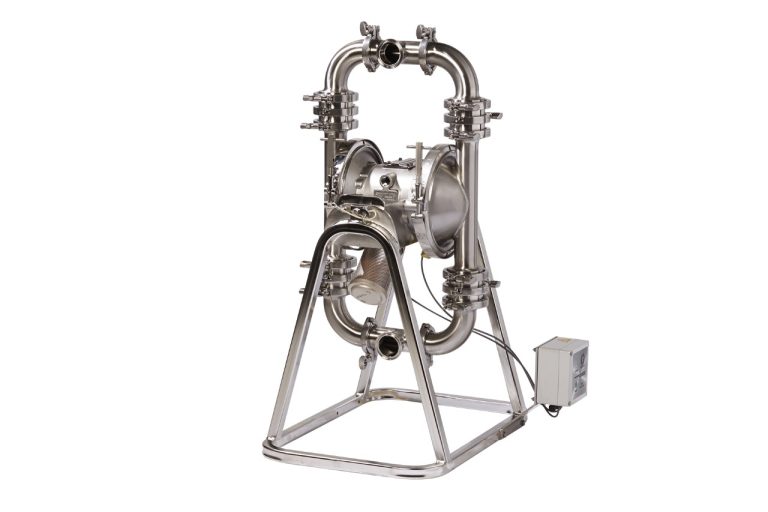
In the food sector, diaphragm pumps are used to transport ingredients and finished products. They are designed to meet strict hygiene and safety standards, ensuring that food products are handled safely and efficiently.
Mining
In mining, diaphragm pumps are used to transport slurries and liquids containing solids. Their robustness and ability to operate in adverse conditions make them an ideal choice for this sector, where durability and efficiency are essential.
How to choose the right diaphragm pump
Choose the diaphragm pump Right is crucial to ensuring efficiency and safety in industrial applications. There are several factors to consider when selecting a pump, and each of them can directly impact system performance. Here are some guidelines to help you make the right choice.
1. Fluid Type
The first step in choosing a diaphragm pump is to consider the type of fluid that will be pumped. It is important to assess whether the fluid is corrosive, viscous or contains suspended solids. Different pumps are designed to handle specific fluid characteristics, and correct selection can prevent damage and failure.
2. Viscosity and temperature
The viscosity and temperature of the fluid are also critical factors. More viscous fluids may require pumps with greater power and pressure capacity. Additionally, fluid temperature can affect the pump material, making it necessary to choose one that can withstand operating conditions without compromising integrity.
3. Flow Rate
The flow rate required for the application must be considered when choosing the pump. It is essential that the pump selected can meet the flow demand without overloading the system. Check the manufacturer's specifications to ensure the pump you choose can operate within the desired flow range.
4. Maintenance and Support
Finally, consider the ease of maintenance and support available for the pump. Pumps that require less maintenance and have affordable technical support can save time and costs in the long run. Check the manufacturer's reputation and availability of replacement parts.
Final Thoughts on Diaphragm Pumps
Diaphragm pumps are essential in several industries due to their versatility and efficiency. When choosing the right pump, it is important to consider factors such as fluid type, viscosity, temperature and flow rate. These considerations ensure that the pump operates effectively and safely.
Furthermore, proper maintenance and technical support are essential to extend the life of the equipment. Com a escolha correta e o cuidado necessário, as bombas de diafragma podem oferecer um desempenho confiável e contribuir significativamente para a eficiência operacional das empresas.
Therefore, when implementing pumping solutions, do not underestimate the importance of selecting the ideal diaphragm pump for your specific needs.
FAQ – Frequently asked questions about diaphragm pumps in industry
What are the main advantages of diaphragm pumps?
Diaphragm pumps offer energy efficiency, low maintenance and versatility to handle different types of fluids.
In which sectors are diaphragm pumps most used?
They are widely used in the chemical industry, water treatment, food industry and mining.
How do I choose the right diaphragm pump for my application?
Consider fluid type, viscosity, temperature and flow rate when selecting the appropriate pump.
Can diaphragm pumps handle corrosive fluids?
Yes, diaphragm pumps are designed to handle corrosive fluids, making them ideal for applications in the chemical industry.
What maintenance is required for diaphragm pumps?
Diaphragm pumps require little maintenance, but it is important to carry out regular inspections and check for leaks.
Are diaphragm pumps suitable for liquids with suspended solids?
Yes, they are effective for pumping liquids that contain suspended solids, and are widely used in mining and water treatment.