Pneumatic automation is an effective solution that improves productivity in industries, reducing costs, increasing efficiency and ensuring safety. With proper implementation, companies from different sectors can optimize their processes and achieve significant results.
A pneumatic automation is a technology that has revolutionized productivity in industries. By using compressed air in automatic processes, companies are able to improve efficiency, reduce costs and increase operational safety. In this article, we will cover what pneumatic automation is, its advantages and how to implement it to maximize industrial performance.
What is pneumatic automation?
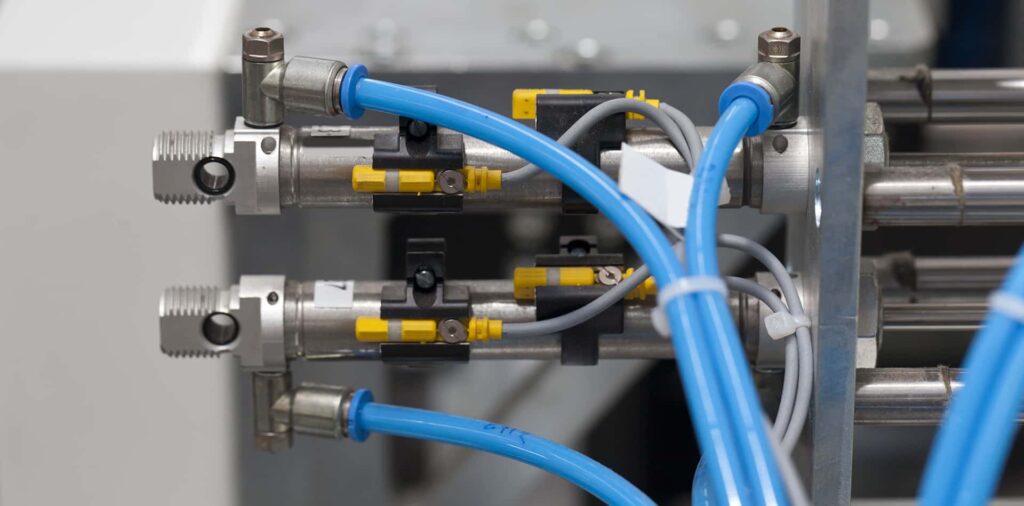
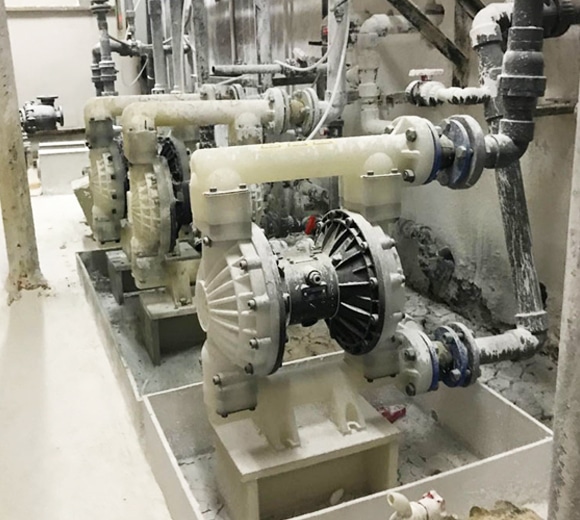
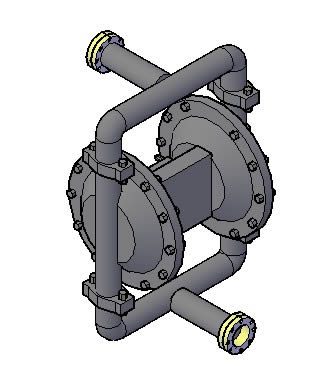
A pneumatic automation is a system that uses compressed air to perform automated tasks in industrial processes. This technology is widely used due to its efficiency and reliability. Pneumatic systems are made up of components such as pumps, valves and actuators, which work together to move and control machines and equipment.
Pneumatic Automation Components
The main components of a pneumatic automation system include:
- Pneumatic Pumps: Responsible for generating compressed air, which is the driving force of the system.
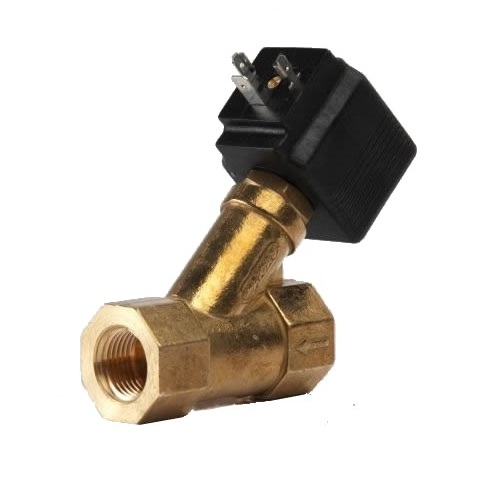
- Valves: They control air flow and direction of movement, allowing the system to perform different functions.
- Actuators: Converting the energy of compressed air into mechanical movement, actuators are essential for performing tasks.
Pneumatic automation is used in various applications, such as product assembly, packaging and material transportation. Its ability to operate in harsh environments and ease of maintenance make it a popular choice among industries.
Advantages of Pneumatic Automation
Entre as vantagens da automação pneumática, destacam-se:
- Energy efficiency: Pneumatic systems consume less energy compared to electrical systems.
- Security: The use of compressed air reduces the risk of fires and explosions, making the working environment safer.
- Flexibility: Pneumatic systems can be easily adjusted to meet different production needs.
Benefits of pneumatic automation for productivity
A pneumatic automation offers several benefits that directly impact the productivity in industries. By integrating pneumatic systems, companies are able to optimize processes, reduce costs and increase operational efficiency.
Reduction of Operating Costs
One of the main benefits of pneumatic automation is the reduction of operating costs. Pneumatic systems are generally more economical compared to electrical systems because they use compressed air, which is a more affordable and easier to maintain source of energy.
Increased Efficiency
Pneumatic automation allows machines to operate continuously and quickly, increasing production efficiency. With automation, repetitive tasks are performed with precision, minimizing human errors and improving the quality of the final product.
Improvement in Work Safety
Pneumatic systems also contribute to a safer working environment. As they use compressed air, there is less risk of fires and explosions, as well as reducing the need for manual intervention in dangerous processes.
Flexibility and Scalability
Pneumatic automation offers flexibility, allowing companies to quickly adjust their operations to meet changing demands. This is especially important in production environments where demand can change quickly. Additionally, pneumatic systems can be easily scaled to meet future growth.
How to implement pneumatic automation in your company
Implement pneumatic automation in your company it may seem challenging, but with adequate planning, the process can be greatly simplified. Below are some essential steps for successful implementation.
1. Needs Assessment
The first step is to assess your company's specific needs. Identify which processes can benefit from pneumatic automation and what goals you want to achieve, such as increasing efficiency, reducing costs or improving safety.
2. Choice of Equipment
After identifying your needs, it is important to choose the appropriate equipment. This includes selecting pumps, valves and actuators that meet your process specifications. Working with trusted suppliers, such as Graco Inc. and a Pneumax, can guarantee the quality of components.
3. Installation Planning
Careful installation planning is crucial. This involves creating a layout that maximizes the efficiency of the pneumatic system and minimizes disruptions to existing operations. Also consider the need for training for the staff who will operate the new systems.
4. Testing and Adjustments
After installation, it is essential to carry out tests to ensure that the system is working correctly. Monitor performance and make adjustments as needed to optimize operation. Collecting data during this phase can help identify areas for improvement.
5. Team training
Finally, provide adequate training for the staff who will operate and maintain the pneumatic systems. This not only increases safety, but also ensures that employees are prepared to deal with any situation that may arise.
Case studies on pneumatic automation success
Case studies on pneumatic automation demonstrate how several companies managed to improve their productivity and operational efficiency. Below, we present some successful examples that illustrate the benefits of this technology.
1. Automotive Industry
A vehicle manufacturer implemented a pneumatic automation system on its assembly line. By using pneumatic actuators, the company was able to increase assembly speed by 30%, reducing production time and improving vehicle quality. Automation also minimized human errors, resulting in less rework.
2. Food Sector
A food factory adopted pneumatic automation for the packaging process. The introduction of pneumatic valves allowed more precise control of product flow, increasing efficiency by 25%. Additionally, automation has improved worker safety by reducing the need for manual handling in potentially dangerous areas.
3. Pharmaceutical Industry
A pharmaceutical company used pneumatic systems to automate the transport of materials between different production stages. This resulted in a 40% reduction in transportation time and a significant improvement in product traceability. Automation also helped ensure compliance with industry-required safety and quality standards.
4. Plastics Sector
A plastics factory implemented a pneumatic automation system for molding and cutting parts. With automation, the company was able to increase production by 50%, in addition to reducing material waste. The pneumatic system allowed quick and precise adjustments, improving production flexibility.
Conclusion on Pneumatic Automation
Pneumatic automation is an effective solution that can transform productivity in industries. By implementing pneumatic systems, companies can reduce costs, increase efficiency and improve safety in the workplace.
The case studies presented show how different sectors have benefited from this technology, resulting in significant improvements in their operations. With proper planning and choosing the right equipment, any company can take advantage of the advantages of pneumatic automation.
Therefore, consider pneumatic automation as a strategy to innovate and optimize your industrial processes.
FAQ – Frequently asked questions about pneumatic automation
What are the main benefits of pneumatic automation?
The main benefits include reduced operating costs, increased efficiency, improved workplace safety and production flexibility.
How can I implement pneumatic automation in my company?
To implement, assess your needs, choose the appropriate equipment, plan the installation and offer training to the team.
What equipment is essential for a pneumatic automation system?
Essential equipment includes pneumatic pumps, valves and actuators, which work together to control processes.
Is pneumatic automation safe for workers?
Yes, pneumatic automation improves safety by reducing the need for manual intervention in dangerous processes.
Which sectors benefit most from pneumatic automation?
Sectors such as automotive, food, pharmaceutical and plastics have benefited significantly from pneumatic automation.
How can I measure the success of pneumatic automation in my company?
Success can be measured through indicators such as increased productivity, reduced costs and improved product quality.