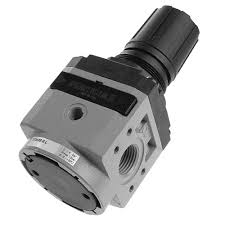
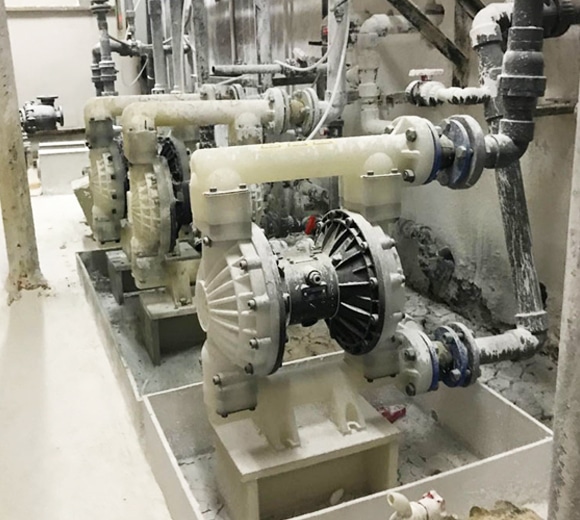
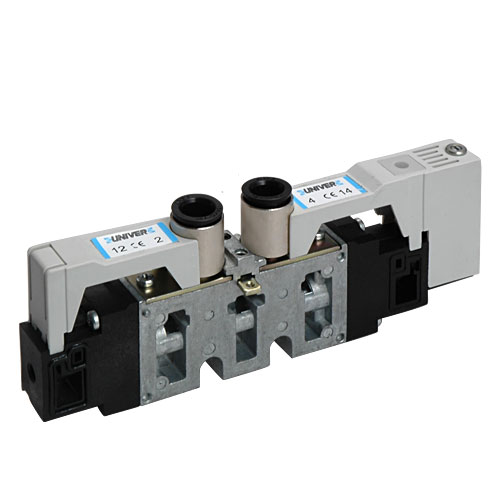
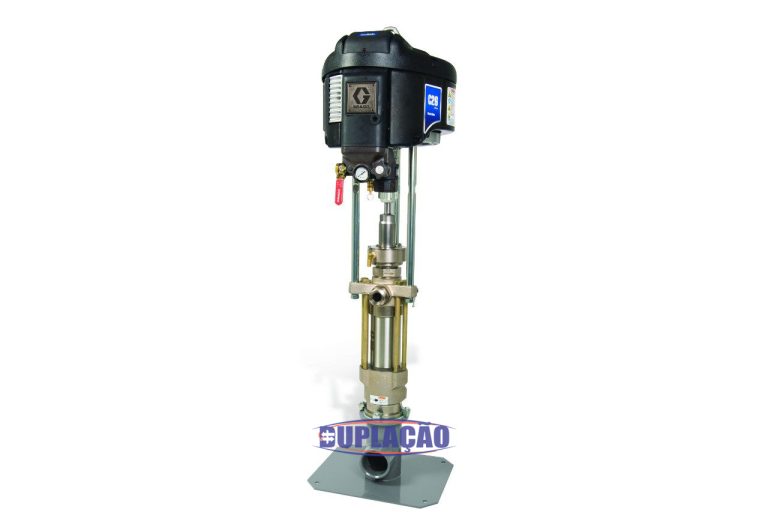
The control Z-valve is an essential component in pneumatic automation systems, designed to regulate airflow and ensure operational efficiency. With its robust construction and advanced technology, this valve offers precise control in a variety of industrial applications.
What is the Control Z-valve?
And Z-valve de controle is a pneumatic device designed to regulate airflow in automated systems. It acts as a pressure and flow controller, allowing operators to adjust operating conditions according to the specific needs of each application. This valve is essential in industrial processes that require precision and reliability, as it ensures that compressed air is efficiently directed to the actuators and other system components.
As Z-valve control applications They are diverse and cover sectors such as manufacturing, automation, and process control. In assembly lines, for example, the Z-valve can be used to control the movement of robotic arms, ensuring that they operate with the correct pressure. Additionally, in industrial painting systems, the valve helps regulate airflow to ensure uniform application of the material. Its versatility makes it a popular choice in several industries that rely on pneumatic systems.
Between aces Advantages of Z-valve control, its high reliability stands out. Manufactured with quality materials, this valve is designed to withstand adverse conditions and operate continuously without failure. Another positive point is the ease of installation and maintenance, which reduces downtime and operating costs. Furthermore, the Z-valve contributes to energy efficiency, as it allows more precise control of compressed air consumption, resulting in resource savings.
To choose the appropriate control Z-valve, it is important to consider some factors. First, evaluate the system's working pressure, as the valve must be capable of operating within these limits. Next, consider the type of fluid that will be used, as different applications may require specific materials to prevent corrosion or wear. Finally, review your application's specific requirements, such as the need for flow or pressure control, to ensure the valve meets all of your operational needs.
Control Z-valve Applications
Applications of Z-valve control are broad and varied, reflecting their importance in different industrial sectors. One of the main uses occurs in process automation, where the Z-valve regulates the flow of compressed air to actuators, cylinders and other pneumatic devices. This ensures machines operate efficiently and precisely, increasing productivity and reducing waste.
Na manufacturing industry, the Z-valve is often used in assembly lines, where it controls the movement of robots and automated equipment. The ability to quickly adjust pressure and airflow allows systems to adapt to different tasks, improving production flexibility.
Another significant application is in painting industry, where the Z-valve ensures a constant and controlled flow of air to spray guns. This results in uniform, high-quality coverage, minimizing failures and rework. Furthermore, the valve can be used in pneumatic conveying, where it moves bulk materials through pipes, ensuring efficiency and safety in the process.
Em pressure control systems, the Z-valve plays a crucial role in regulating air pressure in sensitive equipment. This is vital in applications that require precision, such as in laboratories and chemical processes, where pressure variations can compromise the quality of the final product. The versatility of the Z-valve makes it an ideal choice for any system that relies on pneumatic control.
Advantages of Z-valve Control
The advantages of Z-valve control are significant and directly impact the efficiency of pneumatic systems. One of the main advantages is the high reliability of this component. Made from quality materials, the Z-valve is designed to withstand harsh conditions, ensuring consistent performance over time. This reduces the need for frequent maintenance and minimizes the risk of failures during operation.
Another important advantage is the FACILITY OF INSTALLATION AND MAINTENANCE. The Z-valve is designed to be installed quickly, which saves time and resources during implementation. Additionally, its streamlined design makes maintenance easier, allowing technicians to perform adjustments and repairs efficiently. This is crucial in industrial environments, where downtime can result in significant financial losses.
The Z valve also contributes to the energy efficiency of pneumatic systems. By precisely regulating the flow of compressed air, the valve helps prevent wasted energy, resulting in more economical operation. This is especially relevant in industries that use large volumes of compressed air, where small improvements in efficiency can lead to substantial savings.
Furthermore, the Z-valve offers operational flexibility. Its ability to quickly adjust pressure and airflow allows systems to adapt to different production needs. This is essential in dynamic environments where demands can change quickly. The versatility of the Z-valve makes it an ideal solution for a wide range of industrial applications.
How to choose the right Control Z-valve?
Choosing the appropriate control Z-valve is a crucial step in ensuring the efficiency and effectiveness of your pneumatic system. To begin with, it is important to consider the work pressure of the system. The Z-valve must be capable of operating within the pressure limits specified for the application. This ensures that the valve functions correctly and does not suffer damage due to excessive pressure.
Another factor to be evaluated is the Type of fluid that will be used. The Z-valve must be compatible with the fluid, whether compressed air or another gas. Valve construction materials such as aluminum or plastic should be chosen based on corrosion and wear resistance depending on the operating environment.
Furthermore, it is essential to analyze the application-specific requirements. This includes understanding whether the valve needs more precise flow or pressure control. Some applications may require valves with additional features, such as integrated sensors or actuators, to monitor and adjust performance in real time.
Finally, consider FACILITY OF INSTALLATION AND MAINTENANCE. Choosing a Z-valve that is simple to install and does not require special tools can save time and costs. Maintenance should be easy to perform, allowing technicians to perform adjustments and repairs quickly, minimizing system downtime.