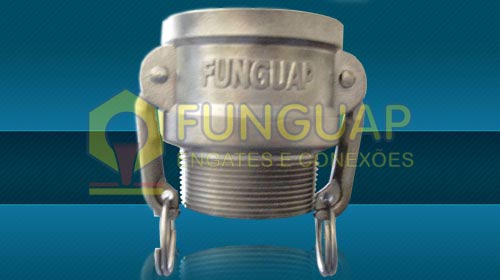
The mounting Z-plate is an essential component in many industrial applications, providing support and stability in assemblies. In this article, we will explore its features, benefits and practical applications, demonstrating why the Z-plate is a reliable choice for engineers and technicians.
1. What is a Z-plate mount?
A Z-plate mounting It is a structural component widely used in industrial and engineering applications. It is designed to provide support and stability in assemblies, being essential in various configurations.
The Z-plate is generally manufactured from metallic materials, such as steel or aluminum, which guarantees high strength and durability.
One of the most notable features of the Z-plate is its ‘Z’ shape, which allows for efficient load distribution. This means that by using a Z-plate, you can ensure that the applied force is distributed evenly, minimizing the risk of structural failure.
Additionally, the Z-plate can be easily integrated with other components such as brackets and fixture structures, making it a versatile choice for engineers and technicians.
Z-plates are available in different sizes and thicknesses, allowing them to be adapted to a variety of projects. This flexibility is one of the reasons the Z-plate mount has become a standard in many industries, including automotive, construction and machine manufacturing.
2. Advantages of using Z-plate mounting
A using the mounting Z-plate offers several advantages that make it a preferred choice in engineering and assembly projects. Firstly, the Z-plate provides high resistance loads, which is crucial in applications where safety and stability are essential. Its 'Z' shaped design allows for better distribution of forces, reducing the risk of deformation and structural failures.
Another significant advantage is the ease of installation. Z-plates are designed to be compatible with a variety of mounting systems, which simplifies the installation process and reduces the time required for assembly. This is especially beneficial in industrial environments where efficiency is key.
Additionally, the mounting Z-plate is versatile and can be used in different sectors, such as automotive, construction and manufacturing. This versatility allows engineers and technicians to use it in a wide range of applications, from supports for heavy equipment to support structures in construction projects.
Finally, the Z-plate is a solution cost-effective, as it offers an excellent balance between cost and performance. By choosing a Z-plate, you invest in a product that not only meets your technical needs, but also contributes to the reduction of operating costs in the long term.
3. Practical applications of Z-plate mounting
A Z-plate mounting has a wide range of Practical Applications in various industrial sectors. One of the most common uses is in heavy equipment supports. Due to its high strength and load-bearing capacity, the Z-plate is ideal for supporting machinery in factories and industrial facilities.
In the sector automotive, Z-plate is often used in chassis assemblies and support structures. Its shape allows for efficient distribution of forces, which is crucial for the safety and durability of vehicles. Additionally, the Z-plate can be found in suspension systems where strength and stability are essential.
Another important application of the Z-plate is in civil construction. Ela é utilizada em estruturas de suporte para paredes, telhados e outras partes da edificação. The versatility of the Z-plate allows it to be adapted to different types of projects, from small constructions to large works.
Além disso, a Z-plate é utilizada em automation systems, where it serves as the basis for pneumatic and electrical components. Its ability to support different types of loads and its ease of installation make it a popular choice in industrial automation projects.
Finally, the Z-plate is also applied to projetos de engenharia mecânica, where it is used to create supports and structures that require high precision and resistance. This versatility makes it an essential component in many industries.
4. How to choose the ideal mounting Z-plate for your project
Choose the Z-plate mounting ideal for your project involves considering several important factors. Firstly, it is essential to assess the load that the Z-plate will need to support. This includes not only the weight of the equipment or structure, but also the dynamic forces that may act on it during operation.
Another aspect to be considered is the material da Z-plate. Z-plates can be made from different materials, such as steel, aluminum or special alloys. The chosen material must be compatible with operating conditions, such as temperature, humidity and exposure to chemicals. Steel, for example, is ideal for applications that require high strength, while aluminum is lighter and may be preferred in projects where weight is a concern.
A dimension and thickness of the Z-plate are also crucial. It is important to ensure that the Z-plate is the appropriate size for the specific application and that its thickness is sufficient to support loads without deformation. Consulting the manufacturer's technical specifications can help determine the correct dimensions.
In addition, the ease of installation must be taken into account. Some Z-plates are designed to be installed quickly, while others may require more time and effort. Evaluating the installation method and compatibility with other system components can facilitate the process.
Finally, it is recommended to consider the cost-effective of the Z-plate. Although it is tempting to choose the cheapest option, it is important to evaluate the quality and durability of the product. Investing in a high-quality Z-plate can result in less maintenance and greater long-term safety.