The cylinder yoke is an essential component in pneumatic automation, providing support and stability for cylinders in various industrial applications. With the growing demand for efficient and reliable solutions, understanding the characteristics and benefits of the cylinder yoke is essential to optimize processes and ensure quality in the operation of pneumatic systems.
What is a Cylinder Yoke?
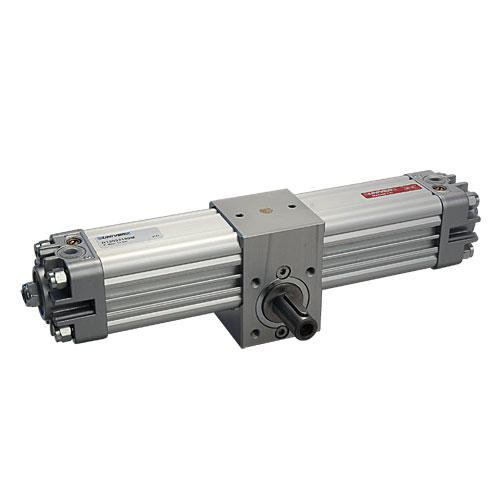
O cylinder yoke is a crucial component in pneumatic automation, designed to connect pneumatic cylinders to supports or structures. It plays a key role in transmitting force and movement, ensuring the cylinder operates efficiently and stably.
The Yoke is generally manufactured from robust materials such as aluminum or steel to withstand pressure and load demands.
This device is responsible for aligning the cylinder precisely, avoiding misalignments that can cause operational failures. Furthermore, the Yoke allows for easy installation and removal of the cylinder, facilitating maintenance and replacement when necessary.
Choosing the appropriate Yoke is essential to optimize the performance of the pneumatic system, as it must be compatible with the type and size of cylinder used.
Advantages of the Cylinder Yoke
O cylinder yoke offers several advantages that are essential for the efficient operation of pneumatic systems. One of the main advantages is the stability which it provides. By securely connecting the cylinder, the Yoke minimizes the risk of unwanted vibration and movement, ensuring the cylinder operates within optimal parameters.
Another significant advantage is the ease of installation. The Yoke design allows for quick and convenient assembly, which reduces downtime during maintenance or cylinder replacement. This is especially important in industrial environments where efficiency is crucial.
Additionally, the cylinder yoke contributes to a precise alignment of the cylinder, which is essential for the system’s performance. Incorrect alignment can lead to premature wear and operational failures. With a suitable Yoke, the cylinder's useful life is prolonged, resulting in fewer maintenance stops.
Lastly, Yoke is designed to support high loads and resist adverse conditions, such as variations in temperature and humidity. This ensures that the pneumatic system works reliably in different industrial applications.
Cylinder Yoke Applications
O cylinder yoke It is widely used in various industrial applications due to its versatility and efficiency. One of the main applications is in process automation, where pneumatic cylinders are used to move parts and equipment in a precise and controlled manner. The Yoke ensures that these cylinders are securely fixed, allowing for consistent performance.
Another important application is in component assembly. In production lines, the cylinder yoke facilitates the movement of parts, such as in automobile assembly systems, where precision is crucial. The use of Yoke ensures that the cylinders operate without failure, increasing productivity.
Furthermore, Yoke is used in material handling systems, where the movement of heavy loads is necessary. It provides the necessary stability for the cylinders to withstand high loads, ensuring the safety and efficiency of the process.
Finally, the cylinder Yoke is also found in packaging equipment, where automation is essential to ensure speed and precision in product packaging. Using Yoke allows the cylinders to operate effectively, contributing to the overall efficiency of the production line.
Choosing the Proper Cylinder Yoke
Choose the cylinder yoke is essential to ensure optimal performance of the pneumatic system. To do this, it is important to consider some essential factors.
First, check the cylinder type that will be used. There are different models of pneumatic cylinders, and the Yoke must be compatible with the specific type, such as double-acting cylinders or single-acting cylinders.
Another aspect to be considered is the supported load. The Yoke must be able to support the maximum load that the cylinder will move. This ensures that the system operates safely and efficiently, preventing failures or damage to the equipment.
A yoke dimension is also an important factor. The size must be compatible with the cylinder and the space available in the installation. A Yoke that is too large may cause installation problems, while one that is too small may not provide the necessary stability.
Furthermore, it is recommended to consider the operating conditions in which the Yoke will be used. Factors such as temperature, humidity and the presence of corrosive substances can influence the choice of Yoke material. Opting for a Yoke made from durable materials such as stainless steel can increase durability in harsh environments.
Finally, always consult the manufacturer specifications and, if necessary, seek expert guidance to ensure your choice of Cylinder Yoke meets all of your pneumatic system needs.