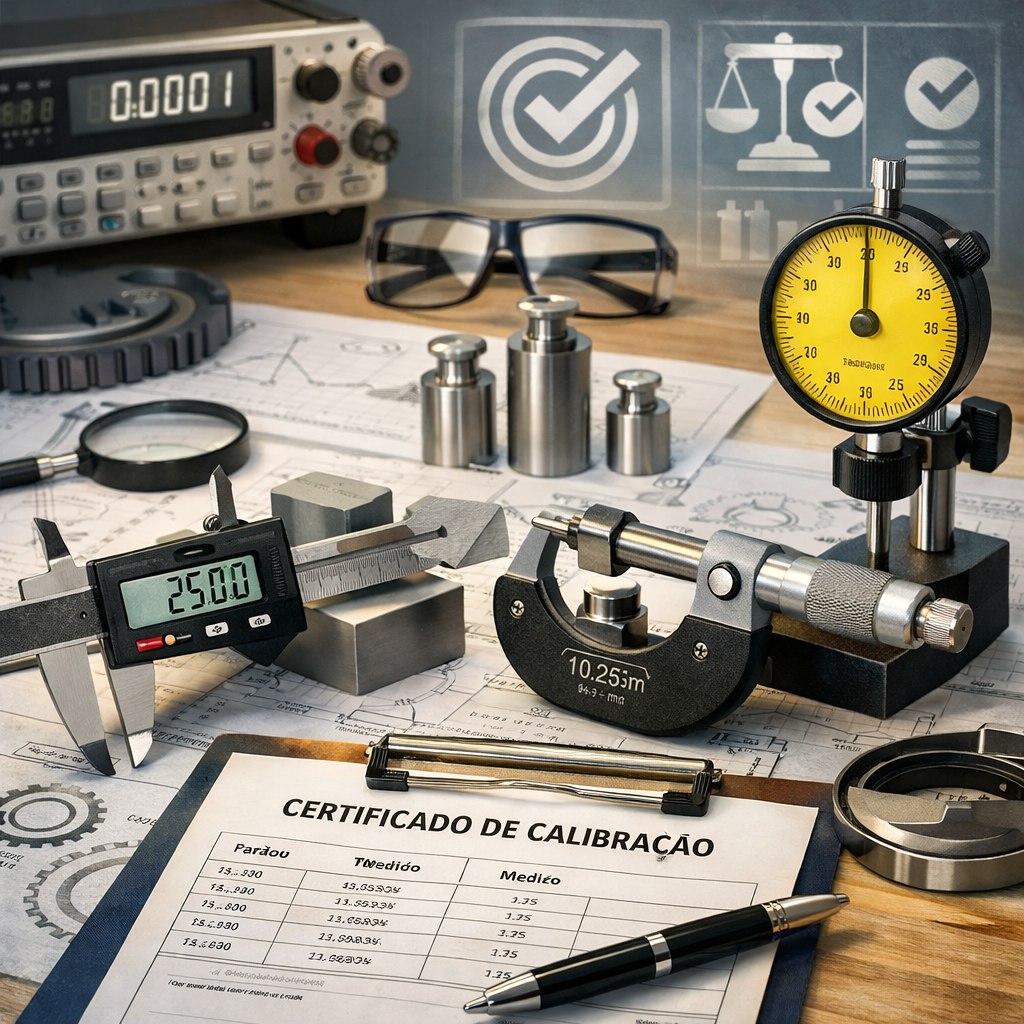
Certification of traceability in measurements is crucial to guarantee the precision and quality of instruments used in various sectors. Following standards and regulations, performing regular calibrations and maintaining adequate documentation are essential practices to ensure compliance and customer confidence.
A certification traceability measuring instruments It is essential in several sectors, ensuring quality and precision in measurements. Did you know that this process is vital to ensuring compliance with standards and regulations? In this article, we will discuss the meaning of traceability certification, explore the benefits of measuring instruments and analyze how to ensure traceability in your measurements.
What is Traceability Certification?
A traceability certification is a process that ensures that measuring instruments used in various industries are calibrated and functioning correctly. This process is essential to guarantee the accuracy and reliability of the results obtained in measurements. Traceability is the ability to relate measurements to recognized standards, such as those established by national and international bodies.
Importance of Traceability Certification
Having certified and traceable measuring instruments is crucial for the quality of products and services. This not only helps meet regulatory standards but also increases customers' trust in the company. Certification ensures that instruments are within specifications and that measurement results are valid.
How does Traceability Certification work?
The certification process involves comparing measurements to reference standards. This is done through regular calibrations and audits, which ensure instruments maintain their accuracy over time. Proper documentation is essential as it provides a history of calibrations and results obtained.
Sectors that Use Traceability Certification
Several sectors, such as pharmaceutical, food and manufacturing, depend on traceability certification to guarantee the quality and safety of their products. In laboratories, for example, traceability is vital to ensure that test results are reliable and accepted by regulatory bodies.
Benefits of Measuring Instruments
Os measuring instruments play a crucial role in several industries, offering a series of benefits that guarantee the quality and precision of processes. The proper use of these instruments is essential to obtain reliable results and comply with regulatory standards.
Accuracy and Reliability
One of the main benefits of measuring instruments is the accuracy they provide. Correctly calibrated instruments ensure that measurements are accurate, reducing errors and increasing the reliability of results. This is especially important in industries such as pharmaceuticals and food, where precision can impact consumer safety.
Operational efficiency
Efficient measuring instruments help optimize processes, saving time and resources. With accurate measurements, companies can quickly identify problems and implement solutions, improving overall productivity. This results in more efficient use of resources and reduced waste.
Compliance with Standards
The use of certified measuring instruments is essential to ensure compliance with standards and regulations. This not only ensures the quality of the products, but also protects the company against possible penalties and guarantees customer trust. Certification is an indication that the company cares about quality and safety.
Continuous Improvement
Measuring instruments are also fundamental for implementing continuous improvement processes. By monitoring and analyzing measurement data, companies can identify areas for improvement and implement changes that result in higher quality products and services. This proactive approach is vital for competitiveness in today's market.
How to Ensure Traceability in Measurements
Ensure the traceability in measurements it is an essential aspect of maintaining quality and precision in various sectors. To do this, it is necessary to follow some recommended practices that ensure that measuring instruments always comply with established standards.
Regular Calibration
Regular calibration of measuring instruments is essential to ensure traceability. This involves comparing measurements to recognized reference standards. Calibration frequency should be determined based on instrument usage and manufacturer recommendations.
Proper Documentation
Maintaining adequate documentation is crucial for traceability. This includes records of calibration, maintenance and measurement results. Documentation must be organized and easily accessible, allowing any audit or verification to be carried out without difficulties.
Personnel Training
Proper training of personnel operating measuring instruments is vital. Employees must understand the importance of traceability and how to perform accurate measurements. Regular training helps keep staff up to date on best practices and procedures.
Internal Audits
Performing internal audits regularly helps identify possible flaws in the traceability process. These audits must evaluate compliance with established procedures and the effectiveness of calibration and documentation practices. Correction of any non-conformities must be done immediately to ensure continued quality.
Important Rules and Regulations
As Standards and Regulations são fundamentais para garantir a qualidade e a segurança em processos de medição. Elas estabelecem diretrizes que devem ser seguidas por empresas de diversos setores, assegurando que os instrumentos de medição operem dentro de padrões reconhecidos.
Normas ISO
As normas ISO (Organização Internacional de Normalização) são amplamente reconhecidas e aplicadas em todo o mundo. A norma ISO 9001, por exemplo, foca na gestão da qualidade e é essencial para empresas que desejam garantir a qualidade de seus produtos e serviços. A norma ISO 17025 é específica para laboratórios de ensaio e calibração, estabelecendo requisitos para a competência técnica e a confiabilidade dos resultados.
Regulamentações Locais
Além das normas internacionais, as regulamentações locais também desempenham um papel crucial. Cada país pode ter suas próprias leis e regulamentos que governam a calibração e a certificação de instrumentos de medição. É importante que as empresas estejam cientes dessas regulamentações para garantir a conformidade e evitar penalidades.
Certificações Específicas do Setor
Alguns setores, como o farmacêutico e alimentício, possuem certificações específicas que devem ser seguidas. Essas certificações garantem que os instrumentos de medição atendam a requisitos rigorosos de qualidade e segurança. Por exemplo, a certificação GMP (Good Manufacturing Practices) é essencial para garantir que os produtos sejam fabricados de acordo com padrões de qualidade reconhecidos.
Importância da Conformidade
Manter a conformidade com normas e regulamentações é vital para a reputação da empresa e a confiança do cliente. A não conformidade pode resultar em sanções legais, perda de clientes e danos à imagem da marca. Portanto, é essencial que as empresas implementem sistemas de gestão que garantam a conformidade contínua com as normas aplicáveis.
Importância da Rastreabilidade e Conformidade
A rastreabilidade em medições é essencial para garantir a qualidade e a segurança em diversos setores. Ao seguir normas e regulamentações, as empresas podem assegurar que seus instrumentos de medição operem de forma precisa e confiável.
Além disso, a calibração regular, a documentação adequada e o treinamento do pessoal são práticas fundamentais para manter a conformidade. Essas ações não apenas ajudam a evitar problemas legais, mas também aumentam a confiança dos clientes na marca.
Portanto, investir em rastreabilidade e conformidade é um passo importante para qualquer empresa que deseja se destacar no mercado e oferecer produtos e serviços de alta qualidade.
FAQ – Perguntas frequentes sobre certificação e rastreabilidade em medições
O que é certificação de rastreabilidade em medições?
A certificação de rastreabilidade garante que os instrumentos de medição estejam calibrados e funcionando corretamente, assegurando a precisão dos resultados.
Por que a calibração regular é importante?
A calibração regular é fundamental para manter a precisão dos instrumentos de medição e garantir que eles operem dentro dos padrões estabelecidos.
Quais normas são relevantes para a rastreabilidade?
Normas como ISO 9001 e ISO 17025 são importantes para garantir a qualidade e a competência técnica em medições.
Como a documentação contribui para a rastreabilidade?
A documentação adequada fornece um histórico das calibrações e medições, facilitando auditorias e garantindo a conformidade com as normas.
Qual é o papel do treinamento do pessoal na rastreabilidade?
O treinamento do pessoal é vital para garantir que os operadores entendam a importância da rastreabilidade e saibam como realizar medições precisas.
Quais são as consequências da não conformidade com normas?
A não conformidade pode resultar em sanções legais, perda de clientes e danos à reputação da empresa, tornando essencial a adesão às normas e regulamentos.