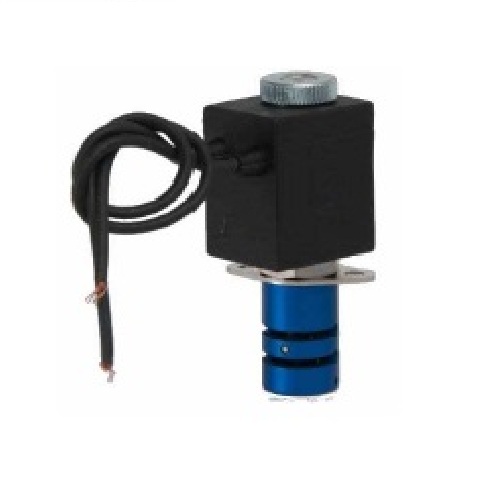
The Y-tube is an essential tool across multiple industries, offering innovative solutions for fluid handling and automation. In this guide, we will explore its characteristics, practical applications and how it can be integrated into industrial systems.
What is Y-tube? – Definition and main characteristics of the Y-tube.
O Y-tube is an essential component in pneumatic and hydraulic systems, designed to facilitate the flow of fluids in different directions. It has a characteristic shape that resembles the letter 'Y', allowing the division or joining of two flows at a single point. This configuration is especially useful in applications where it is necessary to direct fluids to multiple outlets or inlets.
The main characteristics of the Y-tube include its construction in resistant materials, such as plastic or metal, which guarantee durability and resistance to corrosion. Furthermore, the Y-tube can be found in different sizes and diameters, adapting to the specific needs of each system. Installation is simple and can be carried out with threaded connections or using fixing clips, depending on the model.
Another important feature is the ability to withstand high pressures, which makes it ideal for demanding industrial applications. The Y-tube design also minimizes pressure loss, ensuring efficient and continuous flow of fluids. In summary, the Y-tube is a practical and effective solution for optimizing fluid handling in various industrial applications.
Applications of the Y-tube in Industry – Exploration of the various applications of the Y-tube in industrial sectors.
O Y-tube It is widely used in various industries due to its versatility and efficiency in handling fluids. One of the main applications of the Y-tube is in the industry automation, where it is employed to direct compressed air or other fluids to actuators and valves. This allows precise control of processes, increasing operational efficiency.
Na chemical industry, the Y-tube is used to mix different chemicals. Its ability to divide the flow in several directions facilitates the combination of substances, ensuring a homogeneous and effective mixture. Additionally, the Y-tube is resistant to corrosive chemicals, making it ideal for this type of application.
Another important application of the Y-tube is in food industry, where it is used in liquid and ingredient transport systems. Compliance with food safety standards is essential, and the Y-tube can be manufactured from materials that meet these requirements, ensuring product integrity.
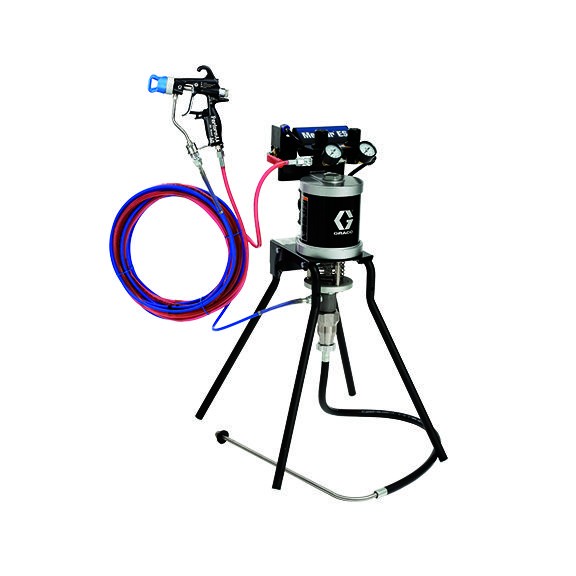
Furthermore, the Y-tube is used in industrial, where it is necessary to direct the paint to different spray nozzles. This allows for uniform and efficient coverage, reducing material waste. In summary, the applications of the Y-tube are diverse and cover sectors ranging from automation to the food industry, demonstrating its importance in optimizing industrial processes.
Advantages of Using the Y-tube – Practical and technical benefits of the Y-tube in automation systems.
O Y-tube offers several advantages which make it a preferred choice in automation systems. One of the main advantages is the fluid flow efficiency. Its shape allows the fluid to be directed optimally, reducing pressure loss and ensuring superior performance compared to other types of connections.
Another significant advantage is the ease of installation. The Y-tube can be easily integrated into existing systems, either via threaded connections or fixing clips. This reduces installation time and associated costs, allowing companies to quickly implement solutions.
The Y-tube is also known for its durability. Made from resistant materials, it withstands high pressures and is resistant to corrosion, which is essential in demanding industrial environments. This means less maintenance and an extended service life, resulting in long-term savings.
Furthermore, the Y-tube contributes to the systems flexibility. It can be used in a variety of applications, from process automation to fluid transport in different sectors such as chemical and food. This versatility allows companies to adapt their systems as needed, without the need for major modifications.
Finally, the use of the Y-tube can lead to a improvement in operational security. With a more controlled and efficient flow, there is less risk of leaks and failures in the system, which is crucial for the safety of workers and the integrity of industrial processes.
How to Integrate the Y-tube into Your System – Guidance on integrating the Y-tube into industrial processes.
A Y-tube integration in industrial systems it is a process that can be carried out simply, as long as some guidelines are followed.
First, it is important evaluate the existing system to identify where the Y-tube will be installed. This involves checking the fluid inlet and outlet connections, as well as the system pressure and temperature specifications.
Once the assessment is complete, the next step is select the appropriate model of Y-tube. There are different sizes and materials available, and the choice must take into account the type of fluid that will be transported and the operating conditions. For example, for corrosive fluids, it is recommended to use Y-tubes made from corrosion-resistant materials.
After selecting the Y-tube, the installation must be carried out carefully. It is essential to ensure that all connections are securely fixed to avoid leaks. Depending on the model, installation can be done using threaded connections or fixing clips. It is advisable to use suitable tools to ensure correct tightening.
Furthermore, it is important to carry out a pressure test after installation. This helps identify potential leaks and ensures the system is working properly. During the test, monitor the pressure and check for fluctuations that could indicate connection problems.
Finally, the regular maintenance of the Y-tube is essential to ensure its durability and efficiency. Periodically inspect the connections and the Y-tube itself for signs of wear or corrosion. Preventive maintenance can prevent system failures and extend the life of the equipment.