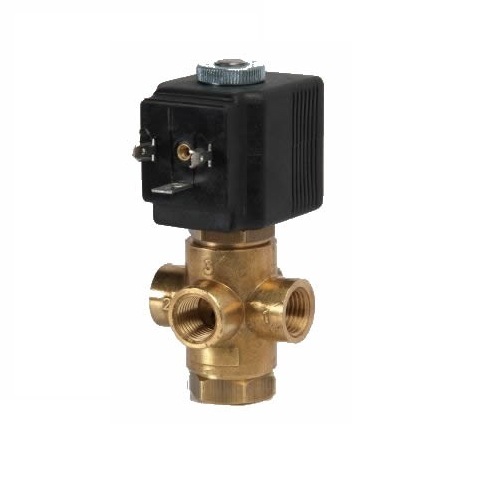
The measuring Y-tube is an essential device in various industries, used to measure the differential pressure between two points. Its robust construction and efficient design allow for accurate reading, making it ideal for applications in pneumatic and hydraulic systems. In this article, we will explore the features, benefits and applications of the measuring Y-tube, highlighting its importance in process automation and control.
What is a measuring Y-tube?
O Y-tube measurement is a device used to measure the differential pressure between two points in a system. It consists of a Y-shaped tube, which connects two measurement points. The difference in height of the liquid inside the tube indicates the differential pressure. This type of measurement is fundamental in several industrial applications, as it allows you to monitor and control processes with precision.
The Y-tube is often used in pneumatic and hydraulic systems, where accurate pressure measurement is crucial for the equipment to function properly. It can be made from materials such as glass or plastic, depending on the application and the type of fluid that will be measured.
Furthermore, the Y-tube measurement is a simple and effective tool that does not require complex calibration, making it a popular choice among engineers and technicians. Its installation is relatively easy, and it can be integrated into existing systems without major modifications.
How does the measuring Y-tube work?
O Y-tube measurement works based on the principle of differential pressure. When a fluid passes through two different points in a system, it can have different pressures. The Y-tube is connected to these two points, allowing the pressure difference to be measured across the height of the liquid inside the tube.
When the pressure at one of the points increases, the liquid in the Y-tube shifts, creating a difference in height between the two sides of the tube. This height difference is directly proportional to the pressure difference between the measured points. The liquid used in the Y-tube can be water or another suitable fluid depending on the application.
To ensure accurate measurements, it is important that the Y-tube is installed in a vertical position and that there are no air bubbles in the liquid. The pressure reading is taken by observing the height of the liquid in relation to a calibrated scale, which may be printed on the tube itself or on a connected measuring device.
Furthermore, the Y-tube must be kept clean and free from obstructions to ensure accurate measurements. Any contamination or blockage can affect the reading and compromise the system’s effectiveness.
Y-tube measurement applications in industries
O Y-tube measurement It is widely used in various industries due to its ability to measure differential pressure accurately and reliably. One of the main applications is in chemical industry, where it is used to monitor pressure in reactors and storage tanks. This helps ensure that chemical processes occur within desired parameters, preventing accidents and ensuring safety.
Na oil and gas industry, the Y-tube is used to measure pressure in pipelines and transportation systems. Accurate pressure measurement is crucial to prevent leaks and ensure efficient fluid transport. Furthermore, the Y-tube can be used on drilling rigs to monitor pressure at different depths.
Another important application of the measuring Y-tube is in food industry. It is used to monitor pressure in processing and packaging systems, ensuring products are handled properly and safely. Precision in pressure measurement is essential to maintain food quality and safety.
Furthermore, the Y-tube is used in industrial automation, where pressure measurement is necessary for controlling valves and actuators. This allows for more efficient and automated operation, reducing the need for manual intervention and increasing productivity.
Benefits of using Y-tube measurement
O Y-tube measurement offers several benefits that make it a popular choice in industrial applications. One of the main benefits is the precision in differential pressure measurements. This precision is essential to ensure that processes operate within desired parameters, avoiding failures and improving efficiency.
Another important benefit is the ease of installation. The Y-tube can be easily integrated into existing systems without the need for complex modifications. This allows companies to quickly implement measurement solutions while minimizing downtime.
Furthermore, the Y-tube is a device low cost compared to other pressure measuring instruments. This makes it an affordable option for companies looking to optimize their processes without compromising their budget.
The Y-tube is also durable and can be manufactured from materials that resist adverse conditions, such as corrosion and high temperatures. This ensures a long service life and reduces the need for frequent replacements.
Finally, Y-tube maintenance is simple and requires little care. Keeping the device clean and free from obstructions is sufficient to ensure accurate and reliable measurements over time.
Maintenance and care of the measuring Y-tube
A maintenance do Y-tube measurement It is essential to ensure accurate measurements and extend the life of the device. Firstly, it is important to carry out regular inspections to check for signs of wear or damage. Any crack or obstruction may compromise the accuracy of measurements.
Furthermore, the Y-tube must be kept clean. Accumulated dirt or debris can affect the pressure reading. To clean, use solutions suitable for the pipe material, avoiding chemicals that could cause corrosion.
Another important aspect is the connection check. Make sure all connections are tight and leak-free. Leaks can cause variations in measurements and affect system performance.
It is also recommended to monitor the temperature and pressure of the fluid passing through the Y-tube. Extreme conditions can damage the device, so it is important to ensure that the Y-tube is operating within the limits specified by the manufacturer.
Finally, when carrying out installation or maintenance, always follow the manufacturer's instructions. This ensures that the Y-tube functions correctly and that system security is maintained.