Xylene is a solvent widely used in degreasers due to its effective properties in removing dirt and contaminants from various surfaces. This chemical compound not only improves the efficiency of cleaning processes, but is also essential in industrial applications that require the removal of oils, greases and other difficult residues. In this article, we will explore the advantages of using xylene in degreasers, its practical applications, and safety considerations.
What is Xylene? – Definition and chemical properties of xylene, including its isomeric forms and physical characteristics.
What is the xylene? Xylene is a chemical compound belonging to the class of aromatic hydrocarbons. It is a colorless liquid, with a characteristic odor and is insoluble in water, but soluble in organic solvents. Xylene is composed of three isomers: ortho-xylene, meta-xylene and para-xylene, which differ in the position of the methyl groups in relation to the benzene ring.
Chemical properties of xylene include a boiling temperature that varies between 138 °C and 144 °C, depending on the isomer, and a density of approximately 0.86 g/cm³. Xylene is highly volatile and flammable, which requires special care when handling it.
Applications of Xylene in Degreasers Xylene is widely used in degreasers due to its ability to dissolve oils, greases and other contaminants. It is effective in cleaning metal parts, engines and industrial equipment, where residue removal is crucial for proper functioning. Xylene works by breaking the chemical bonds of contaminants, facilitating their removal.
Advantages of xylene use Compared to other solvents, xylene offers several advantages. Its efficiency in removing dirt and residue is superior, which can result in lower product consumption and, consequently, reduced costs. Furthermore, xylene has a relatively lower environmental impact when used in a controlled manner, as its biodegradability is more favorable compared to heavier solvents.
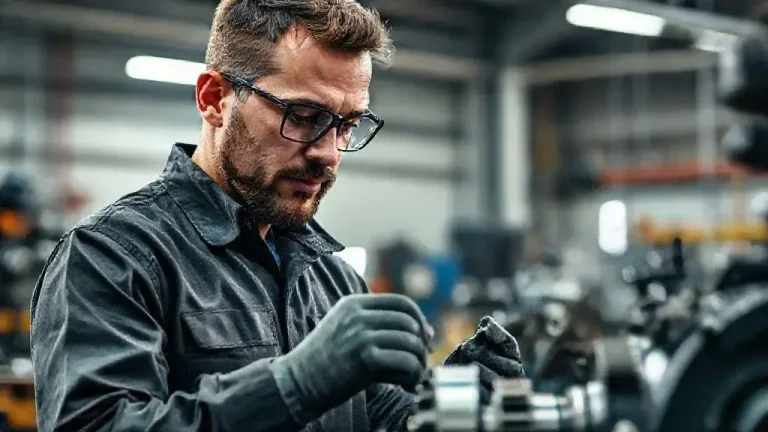
Security Considerations When handling xylene, it is essential to follow strict safety guidelines. The use of Personal Protective Equipment (PPE), such as gloves and protective glasses, is essential to avoid direct contact. Additionally, xylene should be used in well-ventilated areas to minimize inhalation of vapors. It is important to store it in suitable containers and away from ignition sources, due to its flammability. Proper employee training on safe handling of xylene is crucial to preventing accidents.
Applications of Xylene in Degreasers – Exploration of the various applications of xylene in degreasers, highlighting its effectiveness in cleaning industrial equipment.
Applications of Xylene in Degreasers
Xylene is widely used in degreasers due to its ability to dissolve a variety of contaminants such as oils, greases and industrial waste. Its effectiveness is due to the chemical structure that allows it to interact with different types of dirt, breaking the bonds that keep contaminants adhered to surfaces.
In the automotive industry, por exemplo, o xileno é utilizado para limpar peças de motores, componentes metálicos e sistemas de transmissão, onde a remoção de graxas é essencial para o desempenho adequado.
Furthermore, em ambientes industriais, o xileno é empregado na limpeza de máquinas e equipamentos, garantindo que as operações ocorram sem interrupções causadas por falhas de manutenção.
Another important application do xileno é na formulação de produtos de limpeza, onde ele atua como um solvente potente, aumentando a eficiência dos desengraxantes.
O uso de xileno em desengraxantes não só melhora a eficácia da limpeza, mas também reduz o tempo necessário para realizar essas tarefas, resultando em maior produtividade.
Finally, a versatilidade do xileno o torna uma escolha preferencial em diversos setores, incluindo a indústria de manufatura, construção e manutenção, onde a limpeza eficiente é crucial para a operação contínua e a durabilidade dos equipamentos.
Vantagens do Uso de Xileno – Análise das vantagens do xileno em comparação com outros solventes, incluindo eficiência, custo e impacto ambiental.
Advantages of xylene use
O xileno apresenta diversas vantagens quando comparado a outros solventes utilizados em processos de limpeza e desengraxe.
One of the main advantages is its high efficiency in removing contaminants, such as oils and grease, which results in faster and more effective cleaning. This means that less time is spent maintaining equipment, increasing productivity in industrial operations.
Furthermore, xylene is generally more economical compared to other solvents. Its effectiveness allows smaller quantities to be used, reducing operating costs.
Another important point is the environmental impact of xylene. Although it is an organic solvent, it has relatively better biodegradability compared to heavier solvents such as aliphatic hydrocarbons. This means that, when used in a controlled way, xylene can have a lower environmental impact.
Additionally, xylene is less toxic than many alternative solvents, which contributes to a safer work environment.
Finally, the versatility of xylene allows it to be applied in a variety of industries, from automotive to electronics, making it a popular choice among professionals seeking efficiency and safety in their cleaning processes.
Safety Considerations – Guidance on the safe handling of xylene, including precautions and protective measures necessary during use.
Security Considerations
Handling xylene requires special attention due to its chemical properties and potential health risks.
Firstly, it is essential to use appropriate Personal Protective Equipment (PPE), such as nitrile gloves, protective glasses and respiratory masks, to avoid direct contact and inhalation of vapors.
Furthermore, xylene should be used in well-ventilated areas to minimize exposure to toxic vapors.
It's important Store xylene in suitable containers that are resistant to chemicals and properly labeled. The storage location must be cool, dry and away from sources of ignition, as xylene is highly flammable.
During use, contact with skin and eyes must be avoided, and in case of spillage, it is essential to follow the recommended cleaning procedures, using appropriate absorbent materials.
In case of emergency, such as excessive inhalation or skin contact, it is crucial to seek medical attention immediately.
Finally, regular employee training on safe xylene handling practices is vital to ensuring a safe work environment and minimizing health risks.