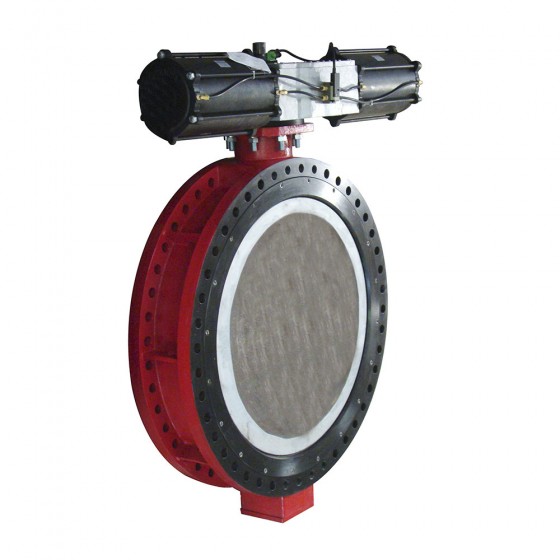
Solenoid valves are essential components in automation systems, allowing precise control of fluid flow. In this article, we will explore how they work, the different types of solenoid valves and their various applications in industries, highlighting their importance in process automation and efficiency.
1. What is a Solenoid Valve?
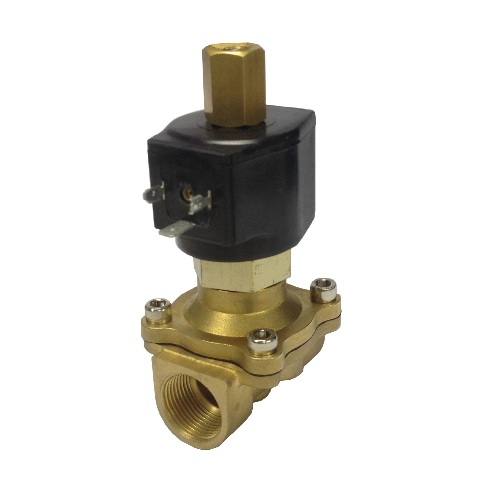
One solenoid valve is an electromechanical device that controls the flow of fluids in pneumatic and hydraulic systems. It works through a solenoid, which is a coil of conducting wire that, when energized, generates a magnetic field. This magnetic field moves a piston or disc, opening or closing the fluid passage.
Solenoid valves are widely used in various applications, such as irrigation systems, industrial automation and process control. They are valued for their ability to operate quickly and accurately, allowing efficient control of the flow of liquids and gases.
Furthermore, solenoid valves can be classified into different types depending on their construction and functioning. Choosing the appropriate type depends on the specific needs of the application, such as pressure, temperature and type of fluid to be controlled.
In summary, solenoid valves are essential components in automation systems, offering an effective solution for fluid control in various industries.
2. Types of Solenoid Valves
There are several types of solenoid valves, each designed to meet specific needs in industrial applications. Among the main types, the following stand out:
- Direct Acting Solenoid Valves: These valves work directly with solenoid power. When the coil is energized, the plunger moves, opening or closing the fluid passage. They are ideal for applications that require fast response and are commonly used in low pressure systems.
- Indirect Acting Solenoid Valves: In this type, the opening and closing of the valve are controlled by fluid pressure, which is activated by the solenoid. They are best suited for high pressure applications and are often used in hydraulic systems.
- 2/2-way solenoid valves: These valves have two ports and can be used to control flow in a single direction. They are widely used in irrigation systems and fluid control in industrial processes.
- 3/2-way solenoid valves: With three ports, these valves allow the control of a pneumatic cylinder, alternating between two positions. They are common in automation and motion control systems.
- 5/2-way solenoid valves: These valves are used to control pneumatic cylinders in more complex applications, allowing them to switch between multiple positions. They are essential in systems that require precise movement control.
Choosing the correct type of solenoid valve is crucial to guarantee the efficiency and effectiveness of the system in which it will be applied. Each type has specific characteristics that meet different operational requirements.
3. Applications of Solenoid Valves
As solenoid valves have a wide range of applications in various industrial sectors, due to their ability to control the flow of fluids efficiently and precisely. Some of the main applications include:
- Irrigation Systems: Solenoid valves are often used in automated irrigation systems. They allow control of water flow, ensuring that plants receive the appropriate amount of water at scheduled times.
- Industrial Automation: In factories and production lines, solenoid valves are essential for process control. They can be used to activate or deactivate machines, control pneumatic cylinders and regulate the flow of materials.
- Gas and Vapor Control: In chemical and petrochemical industries, solenoid valves are used to control the flow of gases and vapors. They ensure that processes occur safely and efficiently, minimizing the risk of leaks.
- Refrigeration Systems: Solenoid valves are applied in refrigeration systems to regulate the flow of refrigerants. They help maintain the desired temperature in refrigeration and air conditioning equipment.
- Medical Equipment: In medical devices, such as dialysis machines and ventilation systems, solenoid valves are used to control the flow of fluids and gases, ensuring the safety and effectiveness of treatments.
These applications demonstrate the versatility of solenoid valves and their importance in various industries, contributing to process automation and efficiency.
4. Advantages and disadvantages
As solenoid valves present several advantages e disadvantages which must be considered when choosing the appropriate component for a specific application. Below are some of the key points to note:
Advantages:
- Quick Response: Solenoid valves have a very fast response time, allowing immediate control of fluid flow. This is essential in applications that require precision and agility.
- Automation Facility: They can be easily integrated into automation systems, allowing remote control and programming of operations, which increases process efficiency.
- Low Maintenance: Solenoid valves generally require little maintenance, which reduces operating costs and system downtime.
- Versatility: Available in different types and sizes, solenoid valves can be used in a wide range of applications, from irrigation systems to chemical industries.
Disadvantages:
- Energy Dependency: Solenoid valves need a source of electrical energy to function. In the event of a power failure, the system may stop operating.
- Pressure Limitations: Some solenoid valves have limitations regarding pressure and temperature, which may restrict their use in more demanding applications.
- Noise: The operation of solenoid valves can generate noise, which may be a factor to be considered in environments that require silence.
- Wear: Over time, the moving parts of solenoid valves can wear out, which can affect their efficiency and require replacement.
Considering these advantages and disadvantages is essential to ensure that the choice of solenoid valve meets the specific needs of each application.