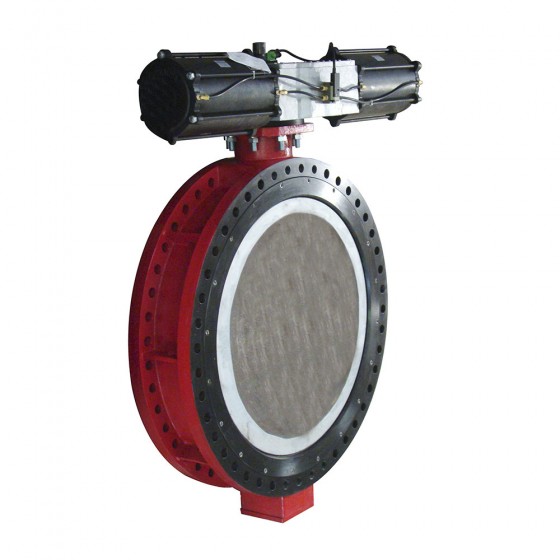
Pneumatic directional valves are essential components in automation systems, allowing efficient control of air flow in various industrial applications. In this article, we will explore the different types of directional valves, how they work and the advantages they offer for optimizing industrial processes.
What is a Pneumatic Directional Valve? Definition and importance of directional valves in pneumatic systems.
What is a Pneumatic Directional Valve?
Pneumatic directional valves are fundamental devices in automation systems that control the direction of compressed air flow. They allow air to be directed to different parts of a system, enabling the activation of actuators, cylinders and other pneumatic components.
Definition and importance of directional valves in pneumatic systems:
These valves are essential for the efficient functioning of industrial machines and processes. They ensure that compressed air flows in the correct direction, allowing tasks such as movement, positioning and pressure control to be carried out. Without directional valves, it would be impossible to operate pneumatic systems effectively, resulting in operational failures and lost productivity.
Furthermore, the appropriate choice of directional valve is crucial for the safety and efficiency of the system, as each type of valve has specific characteristics that meet different operational needs.
Types of Pneumatic Directional Valves: Exploration of different types of valves, such as 2/2, 3/2 and 5/2, and their specific applications.
Types of Pneumatic Directional Valves: Pneumatic directional valves are classified into different types, each designed to meet specific needs in pneumatic systems. Among the most common types, the 2/2, 3/2 and 5/2 valves stand out.
2/2 valves: These valves have two ports and two positions. They are used to control the air flow in simple systems, where it is necessary to turn the flow on or off. An example of application is in cylinders that require an extension and retraction movement.
3/2 valves: With three ports and two positions, the 3/2 valves allow the control of a pneumatic cylinder, directing the air to one of the two outlets. They are often used in applications that require a simple work cycle, such as packaging machines.
5/2 valves: Essas válvulas têm cinco portas e duas posições, sendo ideais para controlar cilindros duplos. Elas permitem alternar o fluxo de ar entre dois cilindros, proporcionando um controle mais complexo e eficiente em sistemas que requerem movimentos simultâneos.
Cada tipo de válvula direcional tem suas aplicações específicas, e a escolha correta é fundamental para garantir a eficiência e a segurança do sistema pneumático.
Funcionamento das Válvulas Direcionais: Como as válvulas direcionais operam e o papel do ar comprimido no controle de fluxo.
Funcionamento das Válvulas Direcionais: Pneumatic directional valves operate as controllers of the flow of compressed air in a system. They are designed to direct air to different outlets depending on the position of the valve. The basic operation involves an internal mechanism that can be activated manually or automatically. When the valve is activated, compressed air enters through an inlet port and is directed to one of the outlets, allowing an actuator or cylinder to move.
The role of compressed air in flow control: Compressed air is the driving force that allows the valves to function. When released, it creates pressure that moves the valve's internal mechanism, changing its position. This allows the system to precisely control the movement of machines and equipment. The efficiency of the pneumatic system directly depends on the quality and proper functioning of the directional valves, as any failure can result in loss of performance and safety. Therefore, understanding how these valves operate is essential for optimizing industrial processes.
Advantages of Using Pneumatic Directional Valves: Benefits of adopting directional valves in industrial processes, including efficiency and safety.
Advantages of Using Pneumatic Directional Valves: The adoption of pneumatic directional valves in industrial processes brings several benefits that directly impact the efficiency and safety of operations.
Efficiency: Directional valves allow precise control of air flow, resulting in faster and more effective operation of pneumatic equipment. This means that machines can perform their functions more quickly, increasing the overall productivity of the system. Furthermore, the automation provided by these valves reduces the need for manual intervention, minimizing errors and improving process consistency.
Security: The use of directional valves also contributes to operational safety. They are designed to prevent leaks and failures, ensuring that compressed air is directed correctly. This reduces the risk of accidents and damage to equipment. Additionally, many valves have built-in safety features, such as interlock systems, that prevent accidental actuation.
Simplified Maintenance: Another benefit is ease of maintenance. Directional valves are generally robust and durable, requiring fewer interventions over time. This not only saves time but also reduces operational costs. In summary, the adoption of pneumatic directional valves is an intelligent strategy to optimize industrial processes, ensuring efficiency, safety and cost reduction.