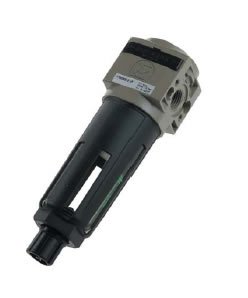
Pressure valves are essential components in pneumatic and hydraulic systems, ensuring safety and efficiency in pressure control. In this article, we will cover the main types of pressure valves, their applications in different sectors and tips for selecting the ideal model.
What is a Pressure Valve?
One pressure valve is a device used to regulate pressure in pneumatic and hydraulic systems. Its main objective is to ensure that the pressure does not exceed a safe limit, preventing damage to equipment and ensuring system safety. These valves work automatically, opening or closing as the system's internal pressure varies.
Pressure valves can be classified into different types such as relief valves, which release excessive pressure, and regulating valves, which maintain pressure at a constant level. They are essential in various industrial applications, such as compressed air systems, chemical processes and the food industry.
Furthermore, pressure valves are designed to withstand adverse conditions, such as high temperatures and corrosion, ensuring the durability and efficiency of the system. Choosing the correct valve is essential for the proper functioning of any industrial installation.
Types of Pressure Valves
There are several types of pressure valves, each designed to meet specific needs in industrial systems. Among the main types, the following stand out:
- Relief Valve: This valve is responsible for releasing excessive pressure from the system. When the pressure reaches a critical level, the valve opens, allowing fluids to escape and preventing damage to equipment.
- Regulation Valve: Used to maintain pressure at a constant level, this valve automatically adjusts opening according to pressure variations in the system. It is essential in applications where pressure needs to be precisely controlled.
- Safety Valve: Similar to the relief valve, the safety valve is designed to protect the system against overpressure. It opens quickly in emergency situations, ensuring the safety of the process.
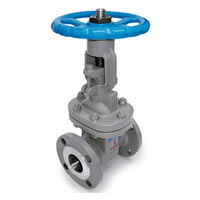
- Check Valve: This valve allows flow in a single direction, preventing fluid backflow. It is important in systems where flow direction must be controlled to prevent damage.
Each type of pressure valve has specific characteristics that make it suitable for different applications. Choosing the correct type is essential to guarantee the efficiency and safety of the system.
Industrial Applications of Pressure Valves
As pressure valves play a crucial role in several industrial applications, ensuring the safety and efficiency of processes. Some of the main applications include:
- Chemical Industry: Pressure valves are used to control pressure in reactors and storage tanks. They prevent overpressure, which can cause explosions or leaks of dangerous substances.
- Food industry: In food and beverage production processes, pressure valves ensure that pressure is maintained at safe levels during processing. This is essential for the quality and safety of the final products.
- Compressed Ar Systems: Pressure valves are essential in air compressors, where they regulate the pressure of compressed air used in pneumatic tools and other equipment.
- Petrochemical industry: In oil refining, pressure valves control pressure at different stages of the process, preventing accidents and ensuring operational efficiency.
- Water treatment: In water treatment plants, pressure valves help regulate pressure in pumping systems, ensuring that treated water reaches distribution points at the appropriate pressure.
These applications demonstrate the importance of pressure valves in maintaining safety, efficiency and quality in various industrial sectors. Choosing the correct valve for each application is essential for the success of the process.
How to Choose the Ideal Pressure Valve
Choose the ideal pressure valve It is a crucial step to ensure the efficiency and security of a system. To do this, it is important to consider some essential factors:
- Application Type: Identify the specific application where the valve will be used. Different industries, such as chemical, food or petrochemical, may require different types of valves.
- Pressure range: Check the pressure range that the valve must withstand. It is essential to choose a valve that operates within the pressure limits of your system, avoiding failures and accidents.
- Construction Material: The valve material must be compatible with the fluids that will be handled. Materials such as stainless steel are ideal for corrosive environments, while plastics may be suitable for less demanding applications.
- Environmental conditions: Consider the conditions under which the valve will be installed. Factors such as temperature, humidity and exposure to chemicals can influence the choice of model.
- Maintenance and Support: Evaluate the serviceability of the valve. Choosing models that offer technical support and spare parts can be an important differentiator for the durability of the equipment.
In addition to these factors, it is recommended that you consult experts or trusted vendors for additional guidance. Choosing the correct pressure valve can directly impact the safety and operational efficiency of the system.