The humidity control valve is an essential component in HVAC and automation systems, enabling precise humidity management in industrial and commercial environments. With the growing demand for energy efficiency and comfort, understanding the operation and applications of this valve becomes essential for professionals in the field.
What is a Humidity Control Valve? Definition and basic functioning of the humidity control valve, including its main components.
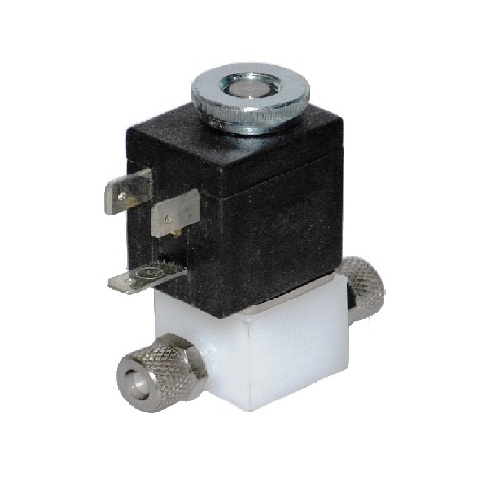
The humidity control valve is a device designed to regulate humidity in controlled environments. Its operation is based on the opening and closing of a hole, allowing the passage of air or steam, depending on the system's needs. This valve is essential in applications where humidity must be maintained at specific levels to ensure process efficiency and environmental quality.
The main components of a humidity control valve include:
- Humidity Sensor: Monitors ambient humidity levels and sends information to the controller.
- Actuator: Responsible for opening or closing the valve, based on information received from the sensor.
- Valve body: Structure that houses the internal components and allows the passage of air or steam.
- Controller: Unit that processes sensor data and determines actuator action.
The basic operation of the valve is simple: when humidity levels exceed a predefined threshold, the sensor activates the actuator, which opens the valve to allow dry air to enter or moist air to exit. Thus, humidity is effectively controlled, ensuring a suitable environment for various applications.
Applications of the Humidity Control Valve Exploration of the various applications of the valve in sectors such as HVAC, agriculture and food industries.
The humidity control valve It has several applications in sectors that require precise humidity control to guarantee the quality and efficiency of processes.
One of the main areas of application is HVAC (heating, ventilation and air conditioning). In this sector, the valve is used to regulate air humidity, preventing the formation of mold and ensuring thermal comfort in environments.
In the sector agriculture, the humidity control valve is essential for growing plants that require specific humidity conditions. In greenhouses, for example, the valve helps maintain ideal humidity, promoting healthy plant growth and increasing productivity.
Also, in food industry, the valve is used to control humidity in food storage and processing processes. Maintaining adequate humidity is crucial to preserving product quality and preventing spoilage.
These applications demonstrate the versatility of the humidity control valve, being an indispensable tool for optimizing processes and ensuring quality in different sectors.
Benefits of Using a Humidity Control Valve Analysis of the main benefits, such as energy efficiency, environmental comfort and equipment protection.
The humidity control valve offers several benefits that positively impact the efficiency and quality of environments. One of the main benefits is the energy efficiency. By regulating humidity precisely, the valve helps to optimize the operation of air conditioning systems, reducing energy consumption and, consequently, operating costs.
Another important benefit is the environmental comfort. In commercial and residential environments, maintaining adequate humidity levels is crucial to the well-being of occupants. The humidity control valve contributes to a more pleasant environment, avoiding problems such as dry air or a feeling of stuffiness.
Furthermore, the valve protects equipment and products. In industries, for example, excessive humidity can cause damage to machines and products, leading to financial losses. The use of the valve ensures that humidity remains within safe limits, extending the useful life of the equipment and preserving the quality of the products.
These benefits demonstrate the importance of the humidity control valve in various sectors, making it an essential tool for efficient environmental management.
How to Choose the Ideal Humidity Control Valve Tips and criteria for selecting the appropriate valve for different applications and needs.
Choosing the ideal humidity control valve It is essential to guarantee the efficient performance of the system in which it will be installed. To do this, it is important to consider some essential criteria.
First, evaluate the application type. Different industries, such as HVAC, agriculture, and food industries, may have specific humidity requirements that influence valve choice.
Another factor to consider is the control ability. Verify that the valve can operate within the humidity limits required for your application. This includes the range of humidity the valve can handle and the accuracy of control.
Also, consider FACILITY OF INSTALLATION AND MAINTENANCE. Some valves may require more time and resources to install, while others are designed to be simpler to integrate into your existing system. Maintenance must also be taken into account, as valves that require less maintenance can reduce costs in the long term.
Finally, don't forget to evaluate the quality and reliability from the manufacturer. Choosing recognized brands on the market, such as Graco Inc. and Pneumax, can ensure that you are purchasing a durable and efficient product.
By following these tips, you will be able to select the humidity control valve that best suits your needs.